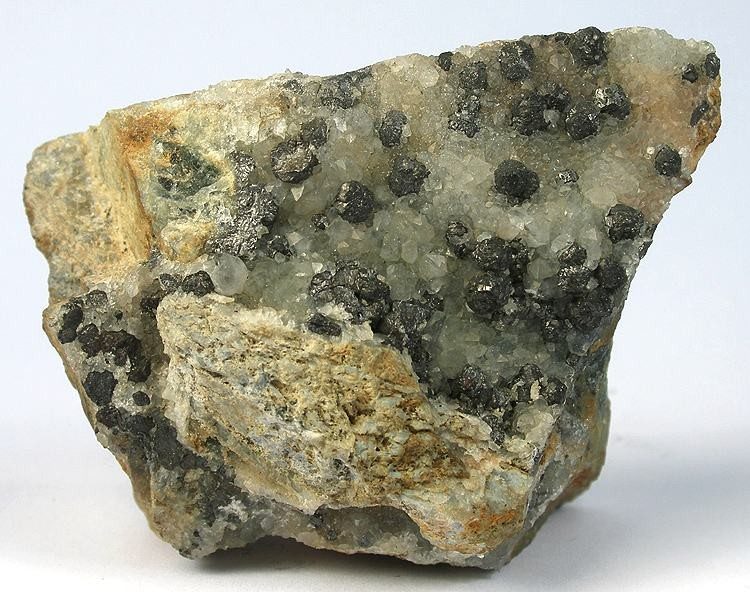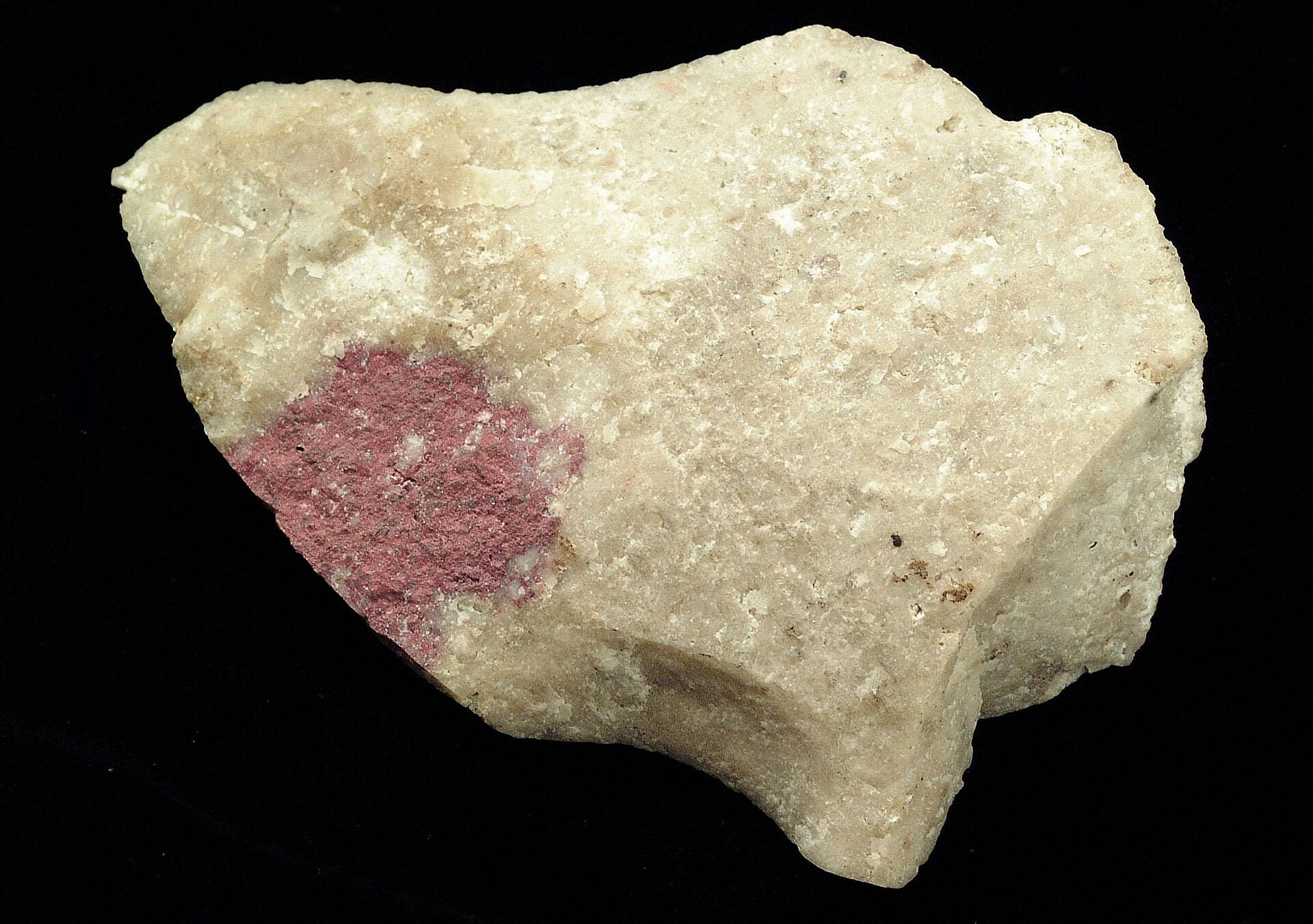
Cinnabar — Photo: Nessa Eull · CC0
What is Cinnabar?
Cinnabar is mercury sulfide — HgS — and the ore of quicksilver. Its scarlet color made it precious long before mercury had uses: Neolithic burials were dusted with it, Roman triumphs were painted with it, and Chinese lacquer carved it.
It forms in young volcanic and hot-spring systems where mercury-bearing fluids cool near the surface. Almadén in Spain has produced roughly a third of all mercury ever mined.
Handle with respect: mercury compounds are cumulative toxins. Cinnabar is safe to admire in a case — wash your hands after handling and keep it away from heat.
Physical Properties
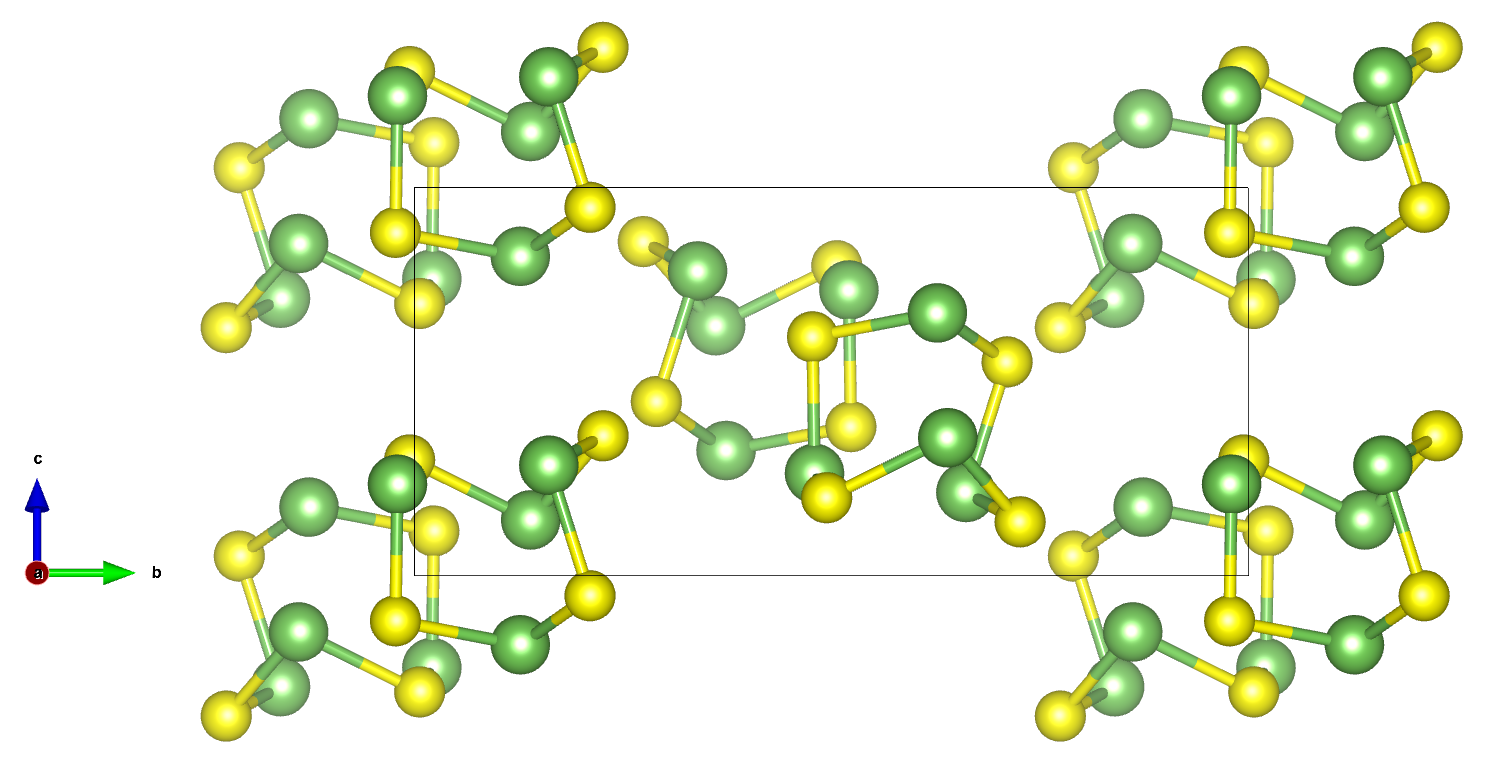
The full data table is in the panel alongside. Here’s what those numbers actually mean.
Density. SG ~8.1 — heavier than galena — is diagnostic.
Streak. Bright scarlet streak separates it from dark cuprite and black metacinnabar.
Toxicity. Inhaled dust or mercury vapor is the hazard; intact specimens pose little risk with basic hygiene.
What It’s Used For
How to Identify It
| Looks like… | But differs because… | Quick test |
|---|---|---|
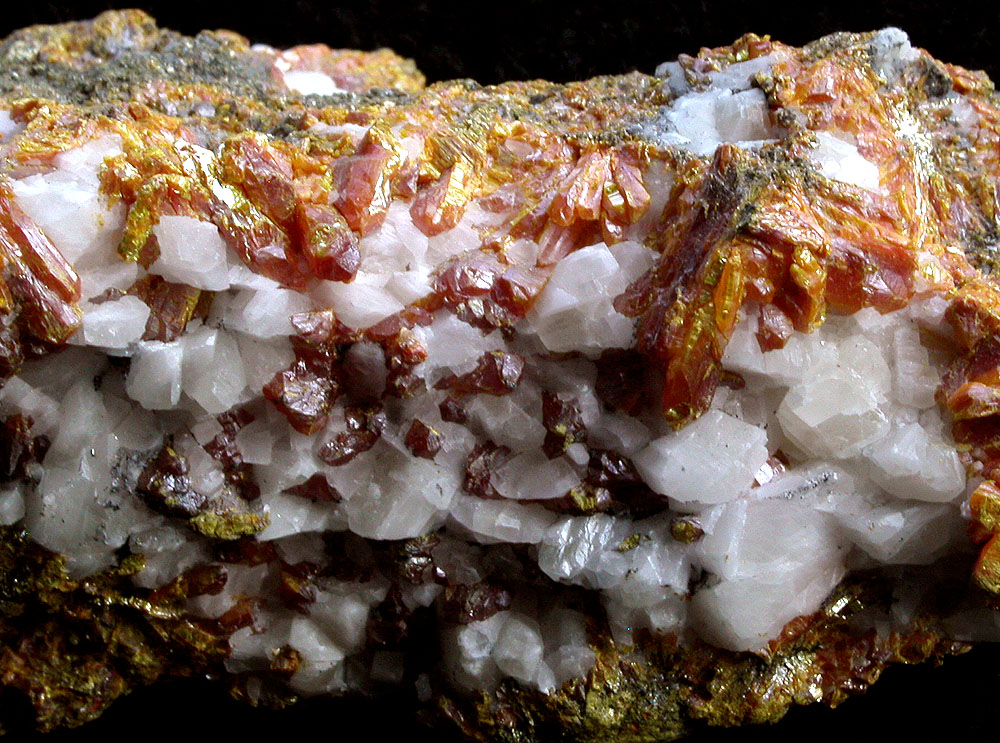
| Realgar | Orange-red, much lighter (SG 3.5), arsenic ore | Color & weight |
| Cuprite | Darker red, isometric octahedra, in copper deposits | Occurrence |
Where It’s Found
Notable localities for fine specimens:
Gallery
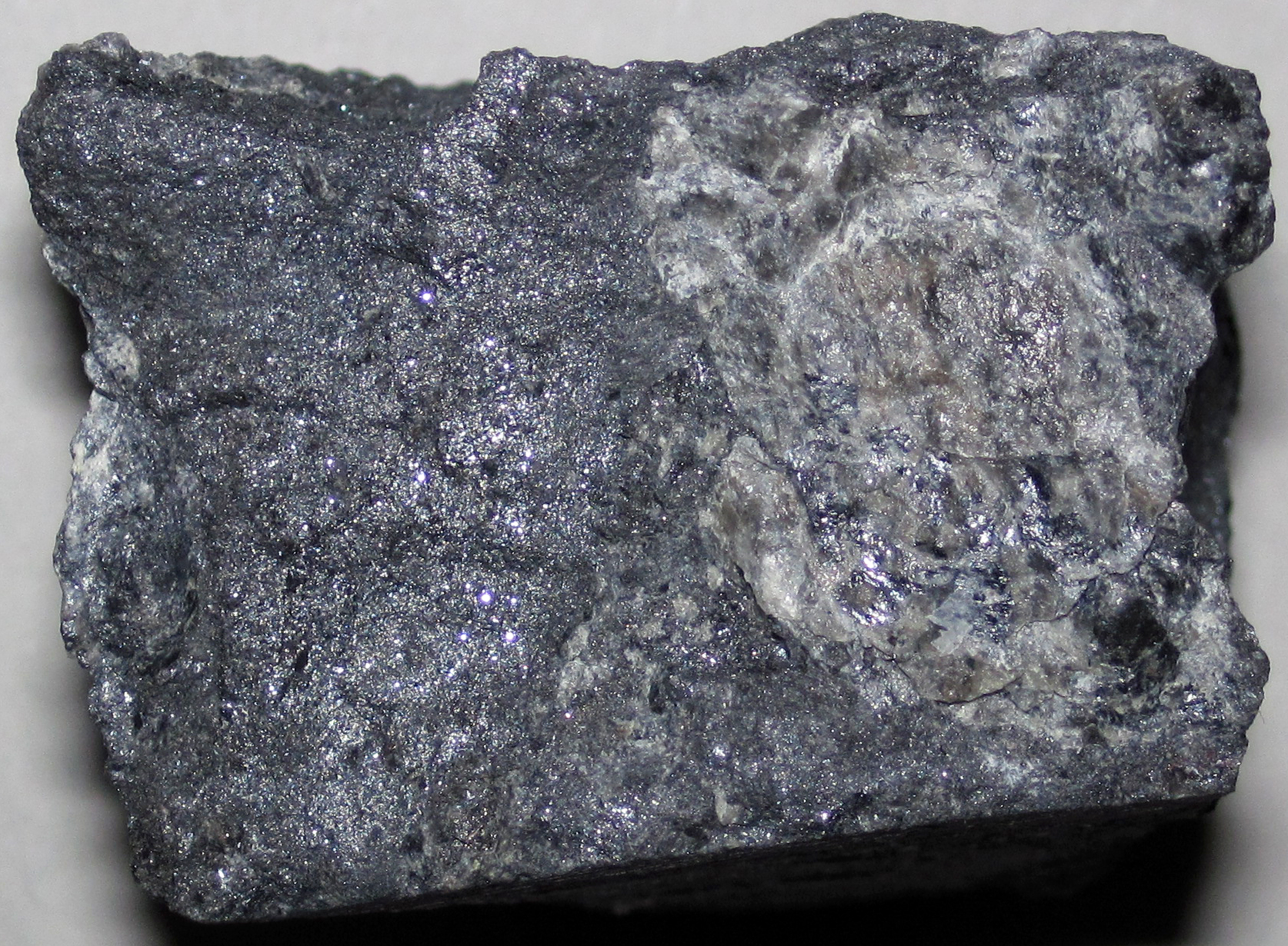
Photographs from Wikimedia Commons contributors — click a credit on the main image for the source and license.
Related Minerals
Others in the same family and minerals it commonly grows alongside.