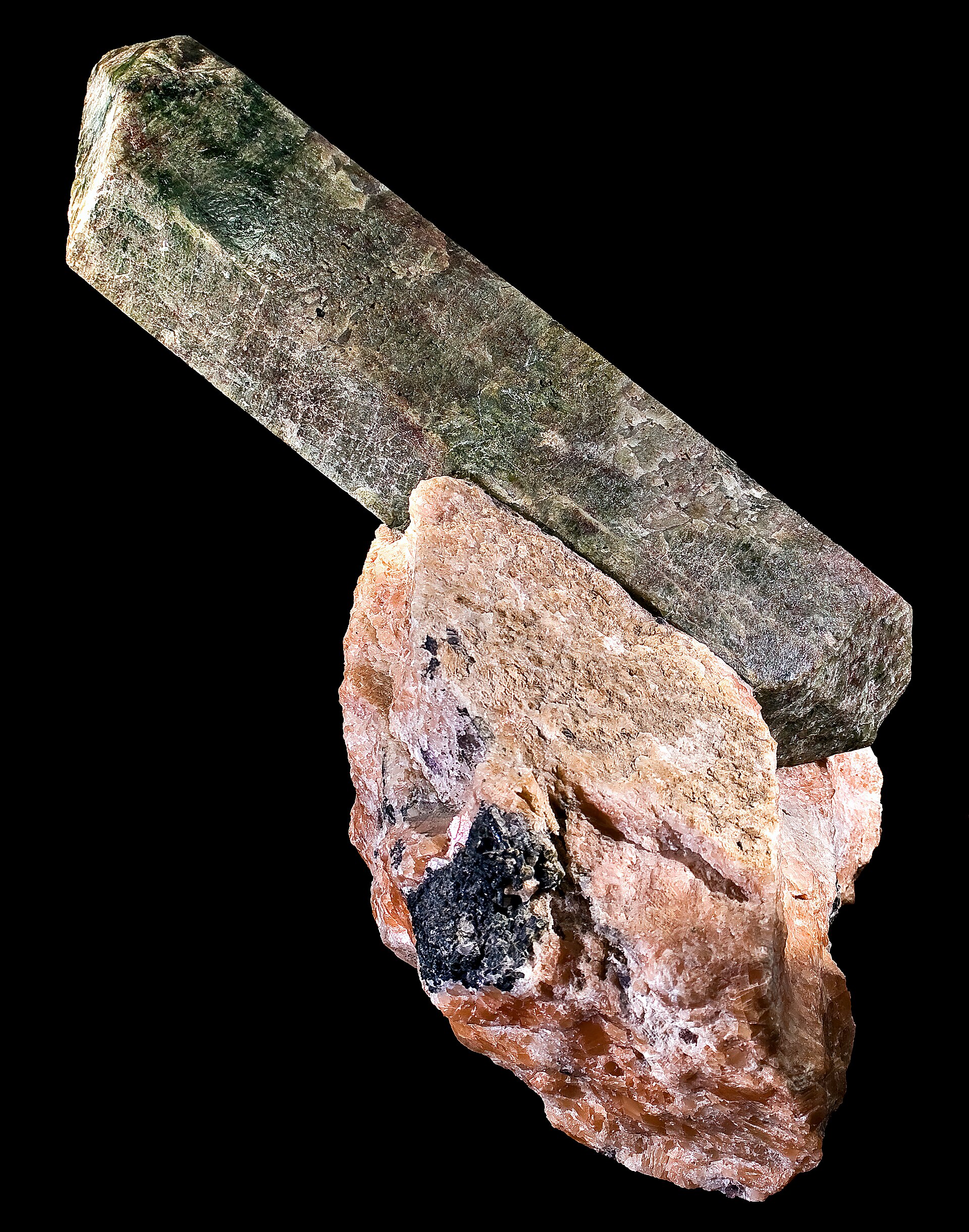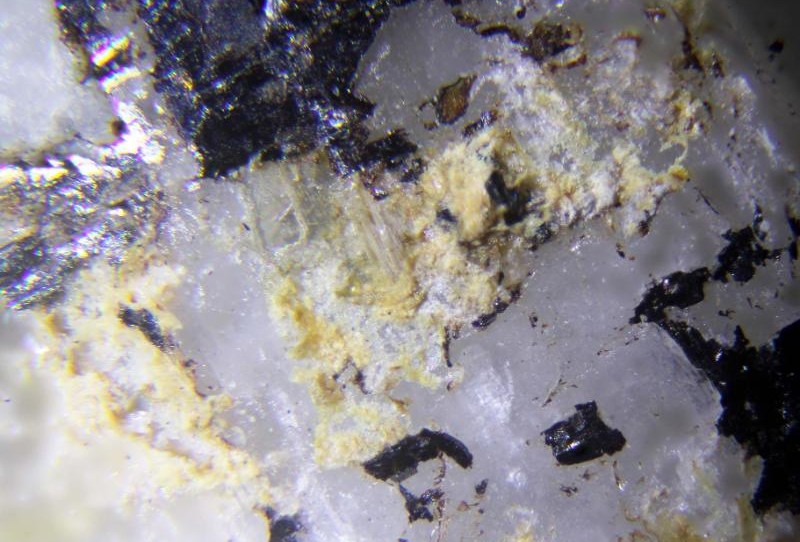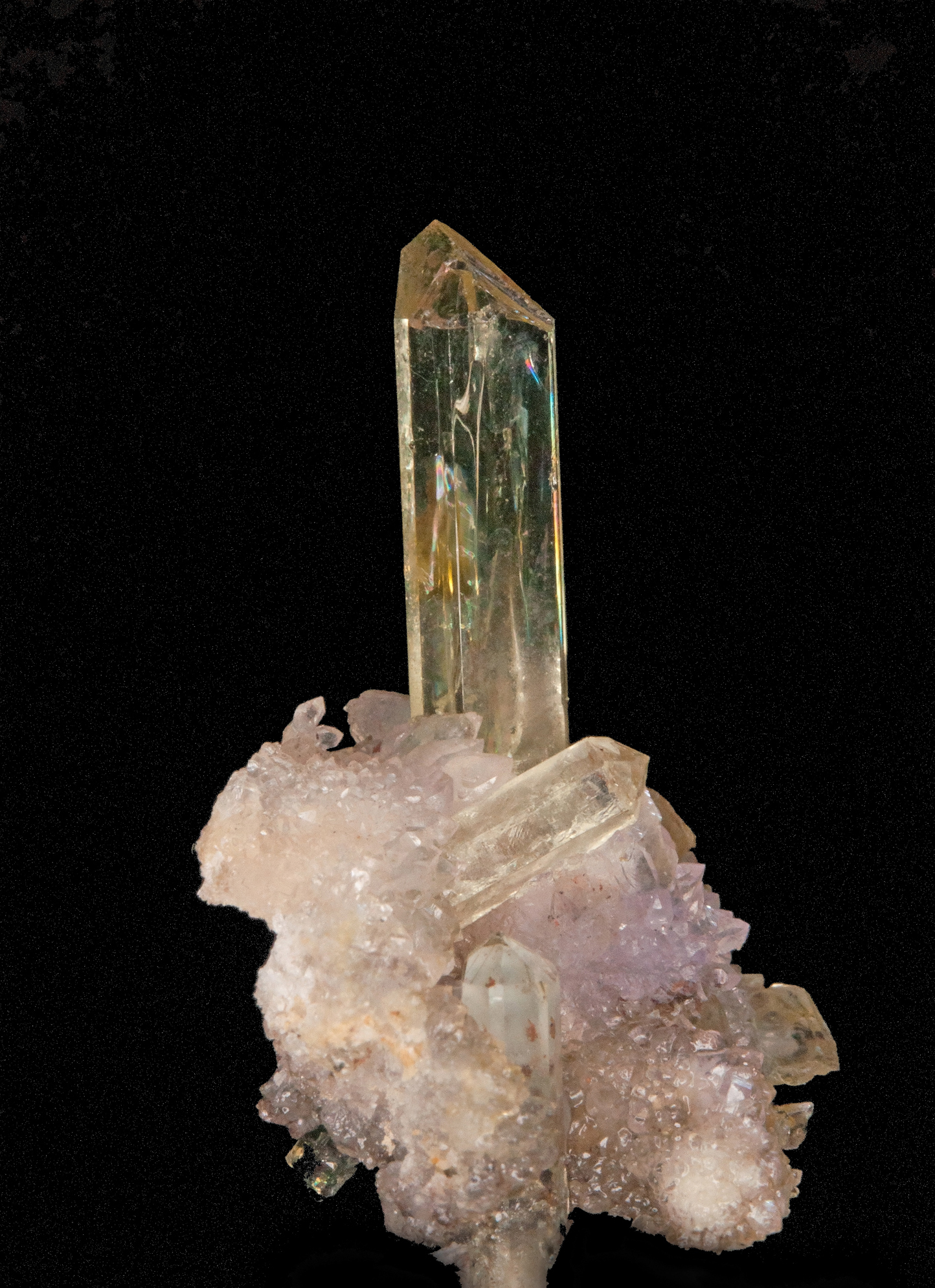
Fluorapatite — Photo: Géry PARENT · CC BY-SA 4.0
What is Fluorapatite?
Fluorapatite — Ca₅(PO₄)₃F — is the dominant member of the apatite group and the mineral most 'apatite' specimens actually are. It crystallizes as stubby to prismatic hexagonal barrels in nearly every igneous and metamorphic rock on Earth.
Tooth enamel fluoridation works by converting the hydroxylapatite of enamel toward the more acid-resistant fluorapatite — the same mineral family as the gem crystals.
Physical Properties
The full data table is in the panel alongside. Here’s what those numbers actually mean.
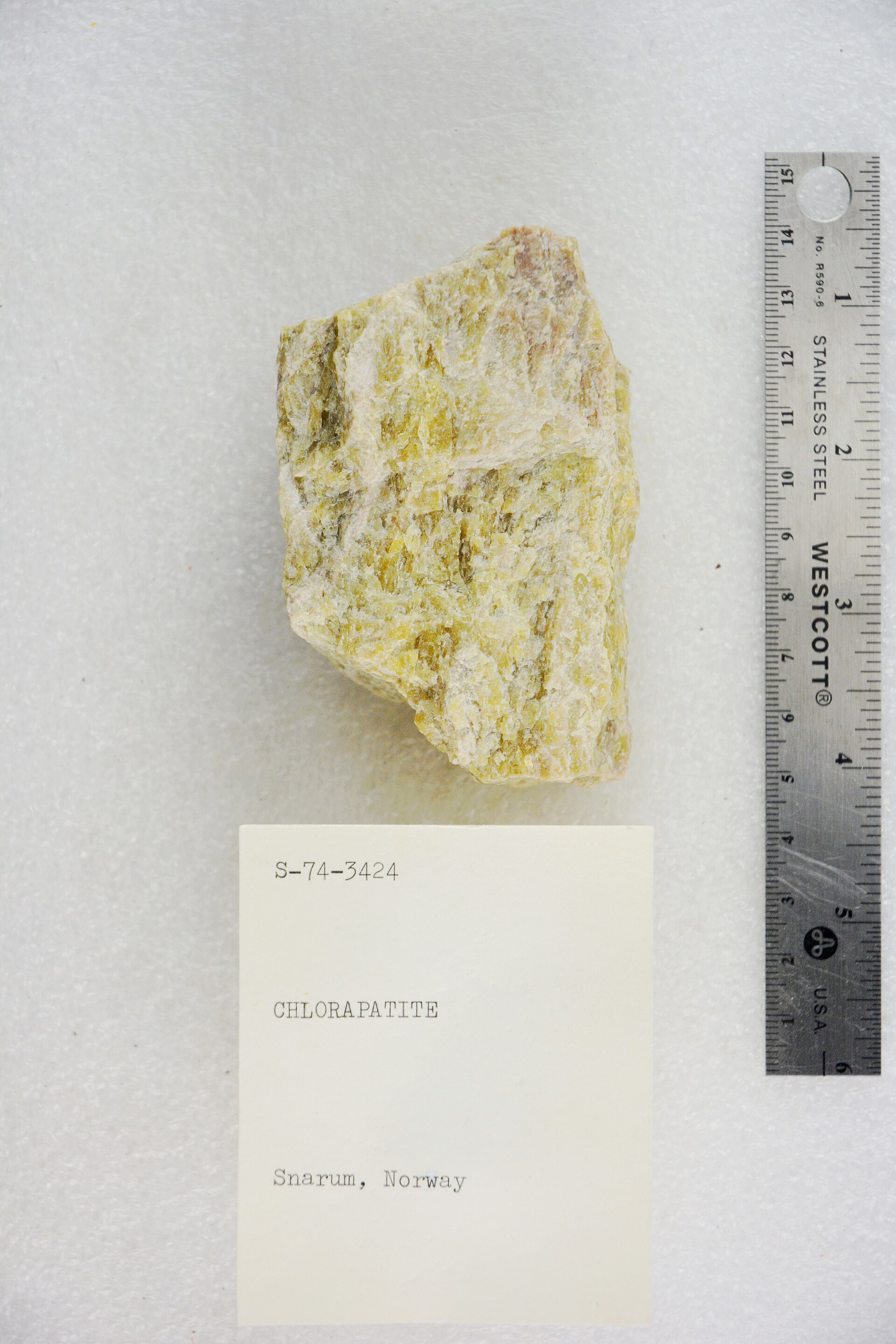
End members. Fluorapatite–chlorapatite–hydroxylapatite form a series on the anion site.
Hardness. Defines Mohs 5 — the practical mineralogy benchmark.
Occurrence. From granite accessories to kilometer-scale Khibiny orebodies.
What It’s Used For
How to Identify It
| Looks like… | But differs because… | Quick test |
|---|---|---|
| Hydroxylapatite | OH-dominant; only lab analysis separates the species | Chemistry |
| Beryl | Harder, imperfect basal cleavage different, pegmatite habit | Hardness |
Where It’s Found
Notable localities for fine specimens:
Gallery
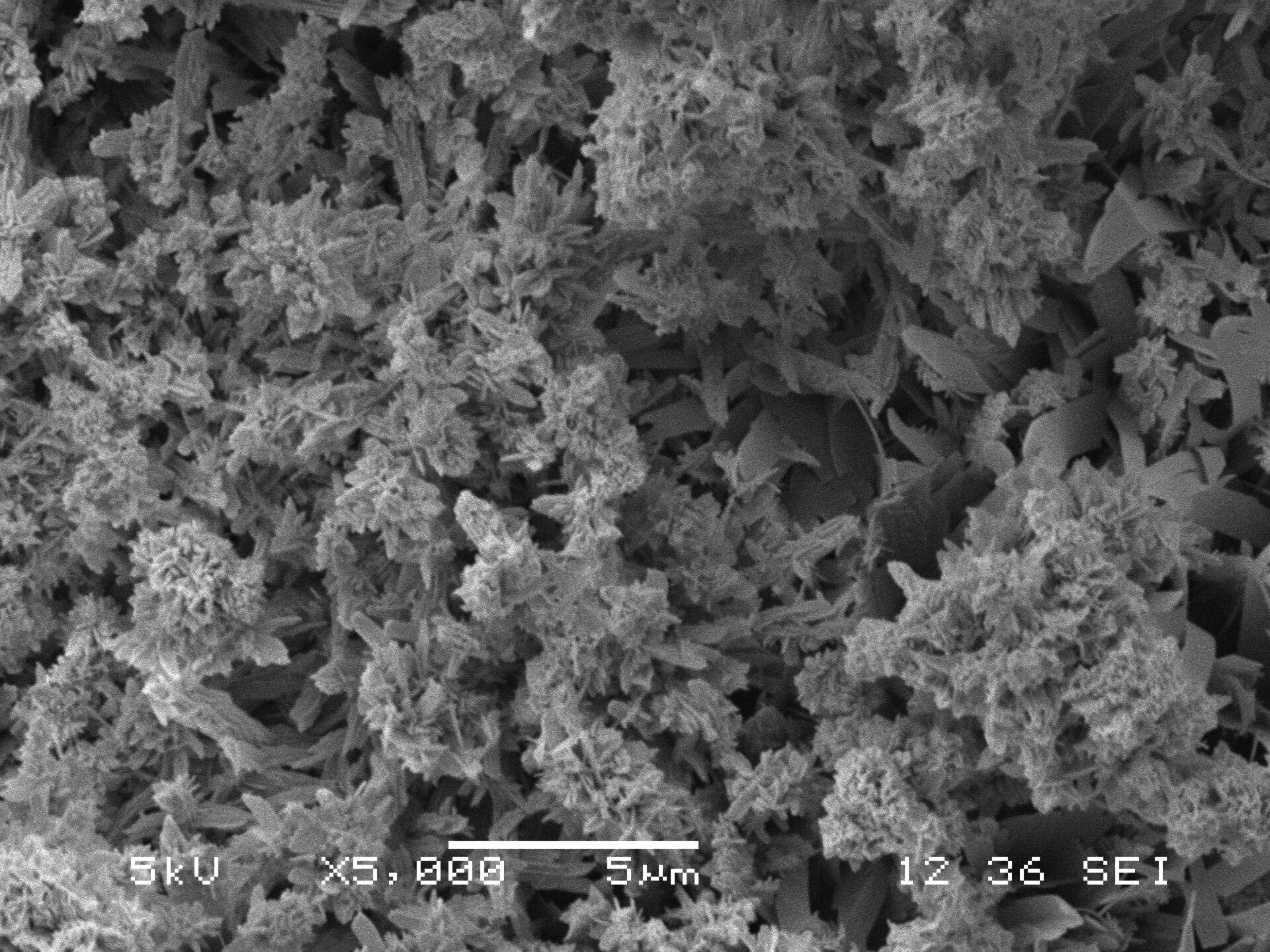
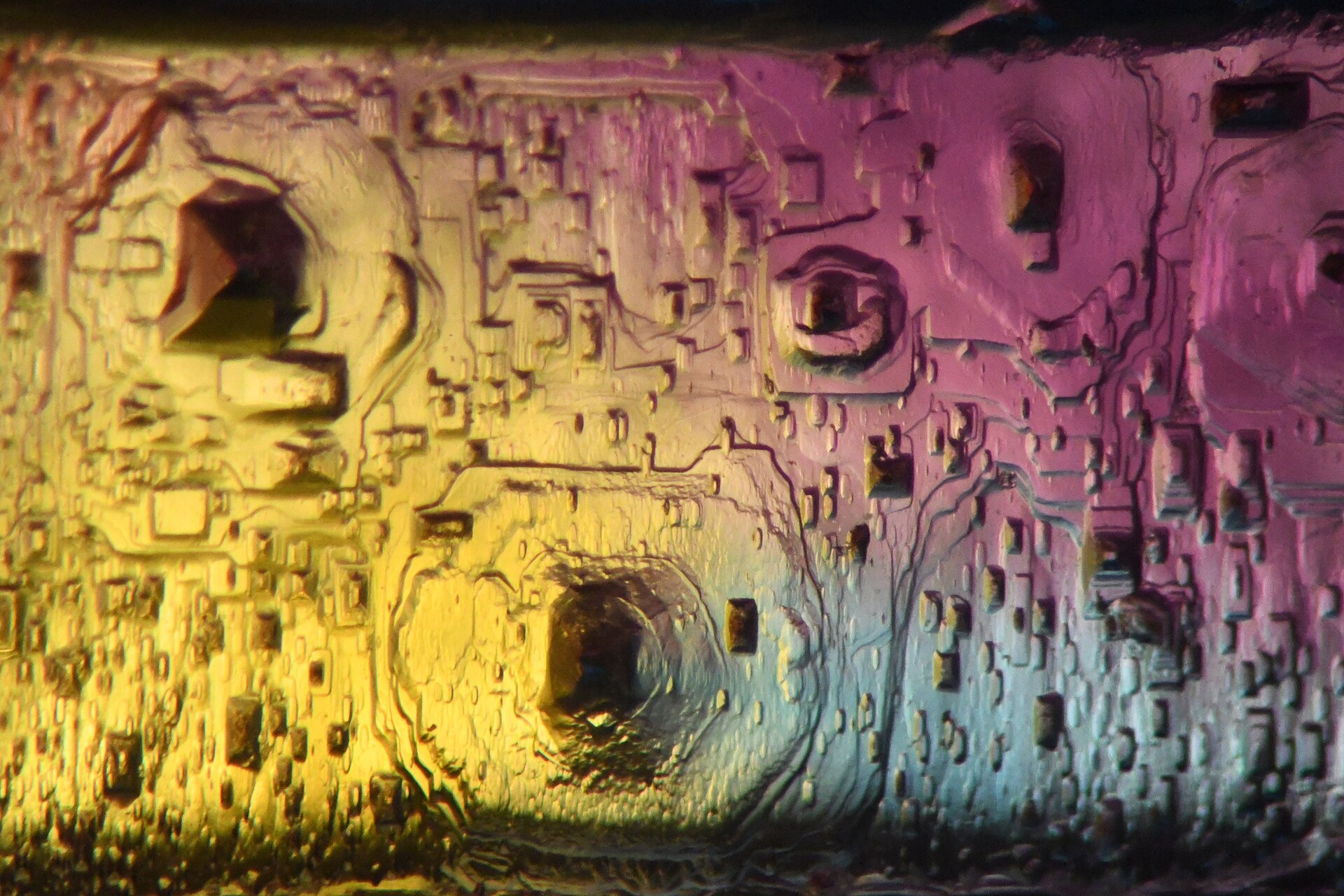
Photographs from Wikimedia Commons contributors — click a credit on the main image for the source and license.
Related Minerals
Others in the same family and minerals it commonly grows alongside.