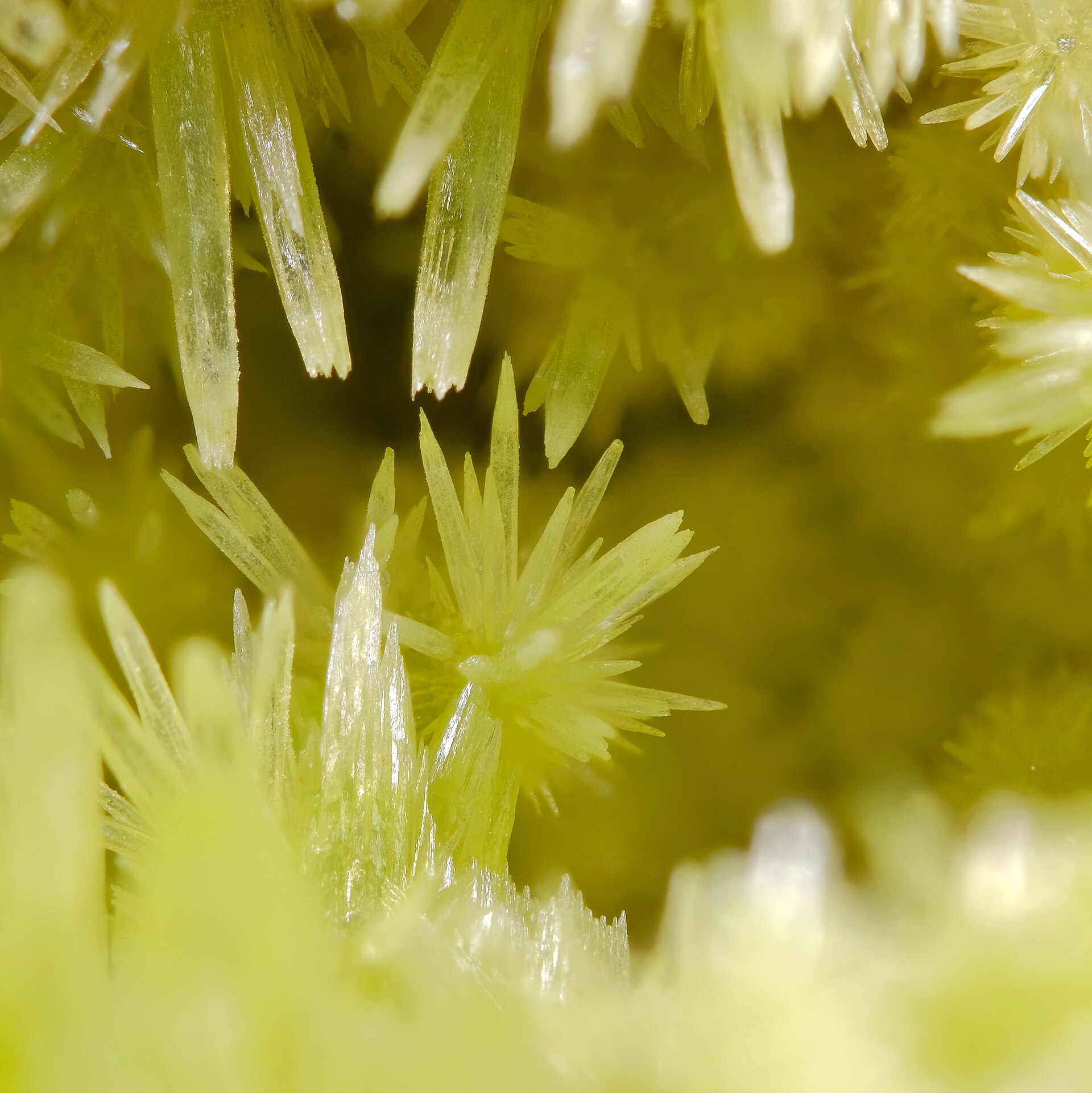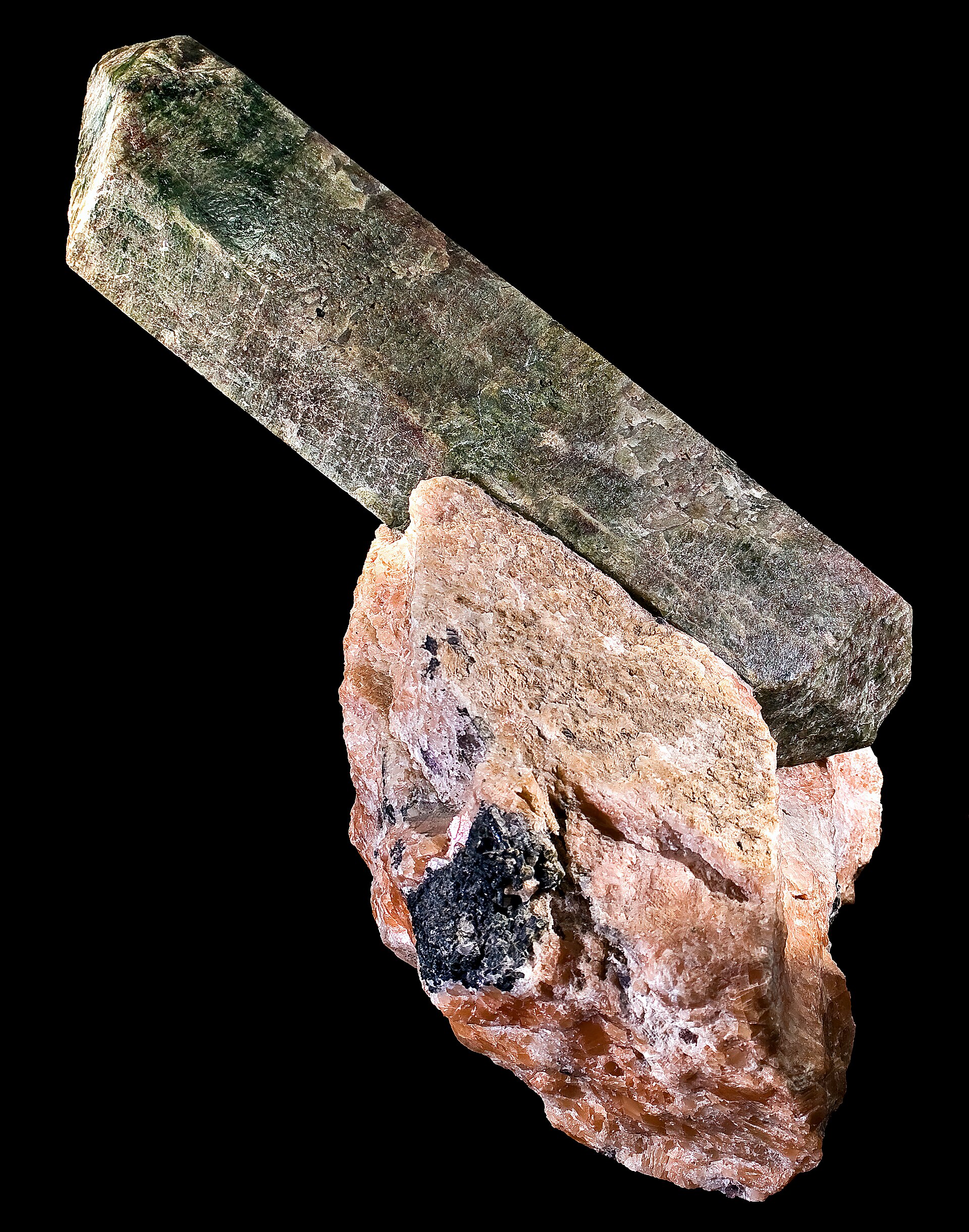
Apatite — Photo: Didier Descouens · CC BY-SA 4.0
What is Apatite?
Apatite is calcium phosphate — Ca₅(PO₄)₃(F,Cl,OH) — a group name covering fluorapatite, chlorapatite, and hydroxylapatite. It is simultaneously one of the most common minerals on Earth (an accessory in nearly every igneous rock) and the substance of your skeleton: bone is hydroxylapatite laced with collagen.
The name comes from apate, 'deceit' — early gem apatites were mistaken for beryl, topaz, and tourmaline. Mohs picked it as the index for hardness 5.
Physical Properties
The full data table is in the panel alongside. Here’s what those numbers actually mean.
The group. 'Apatite' on a label is almost always fluorapatite; bone uses the hydroxyl end member.
Hardness. Exactly 5 — a knife blade (5.5) scratches it, it marks glass weakly.
Chemistry. The F:Cl:OH ratio varies; phosphate-rock mining feeds the world's fertilizer supply.
Members
Same chemistry, different faces — trace impurities and how finely it crystallizes give a whole family of familiar stones.

What It’s Used For
How to Identify It
| Looks like… | But differs because… | Quick test |
|---|---|---|
| Beryl | Harder (7.5–8), longer prisms, pegmatite habit | Hardness |
| Tourmaline | Trigonal striated prisms, harder, no basal cleavage | Habit |
Where It’s Found
Notable localities for fine specimens:
Gallery
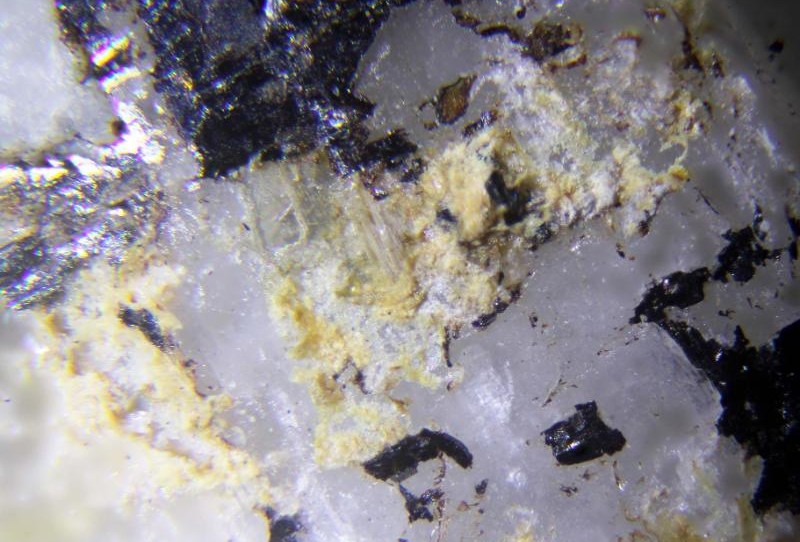
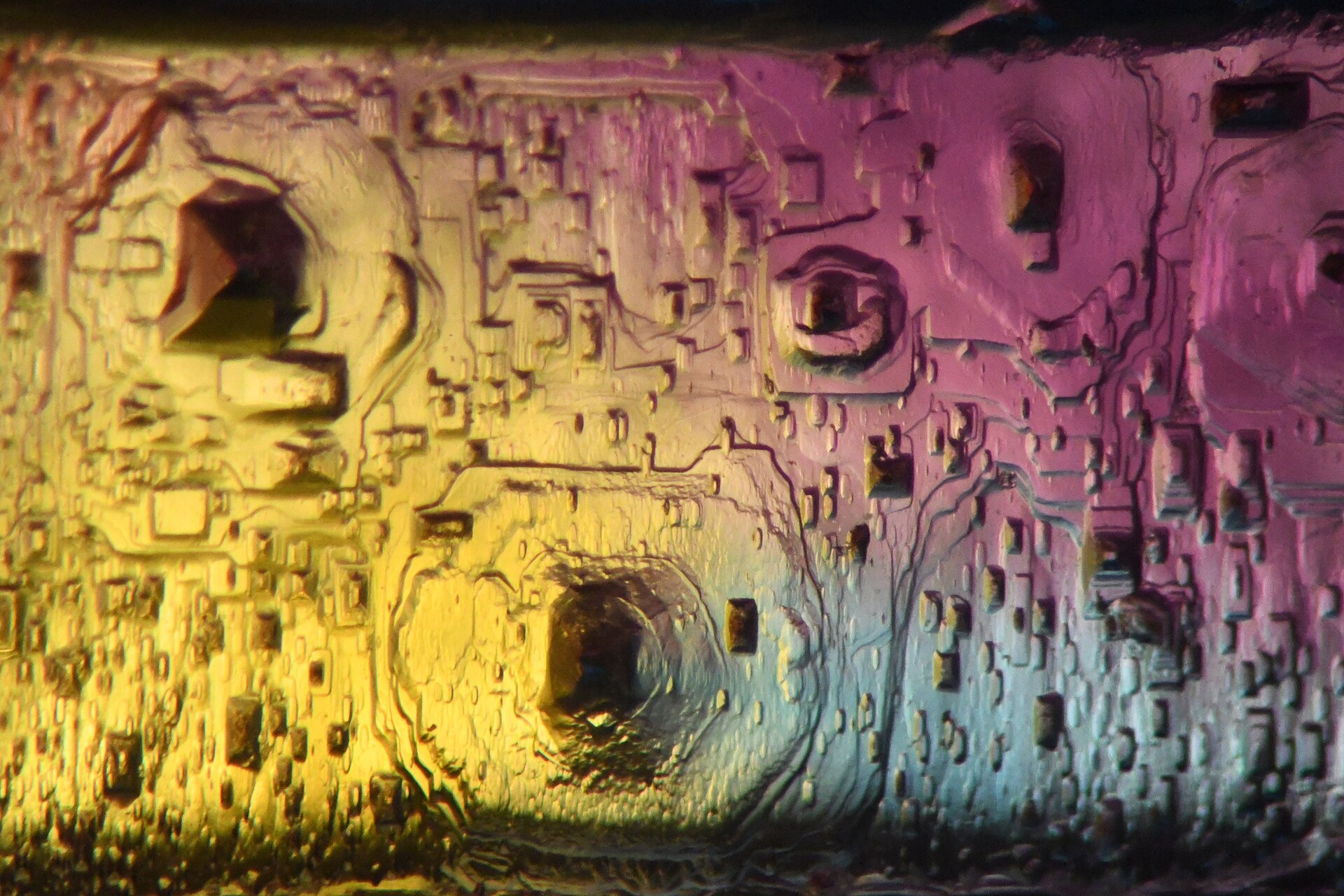
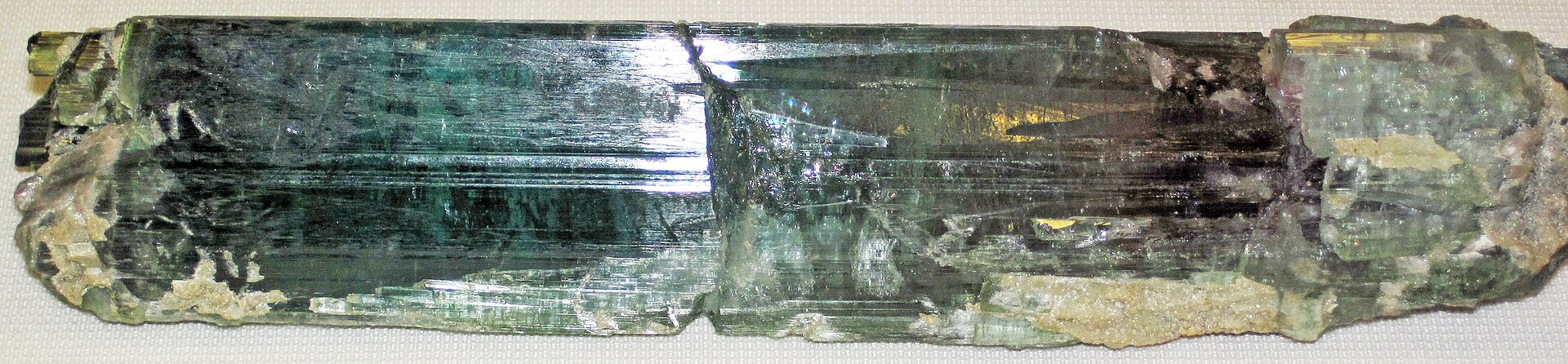
Photographs from Wikimedia Commons contributors — click a credit on the main image for the source and license.
Related Minerals
Others in the same family and minerals it commonly grows alongside.