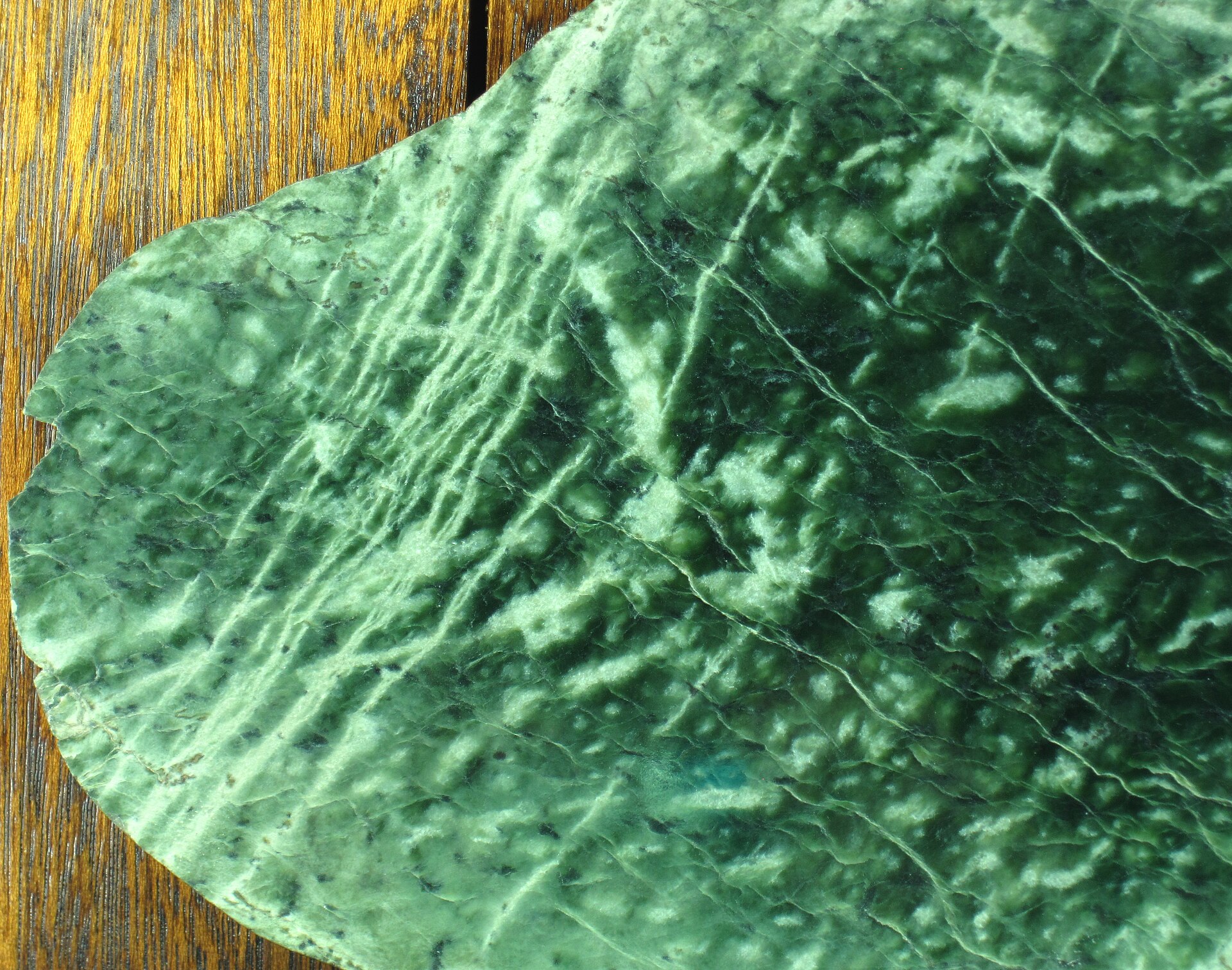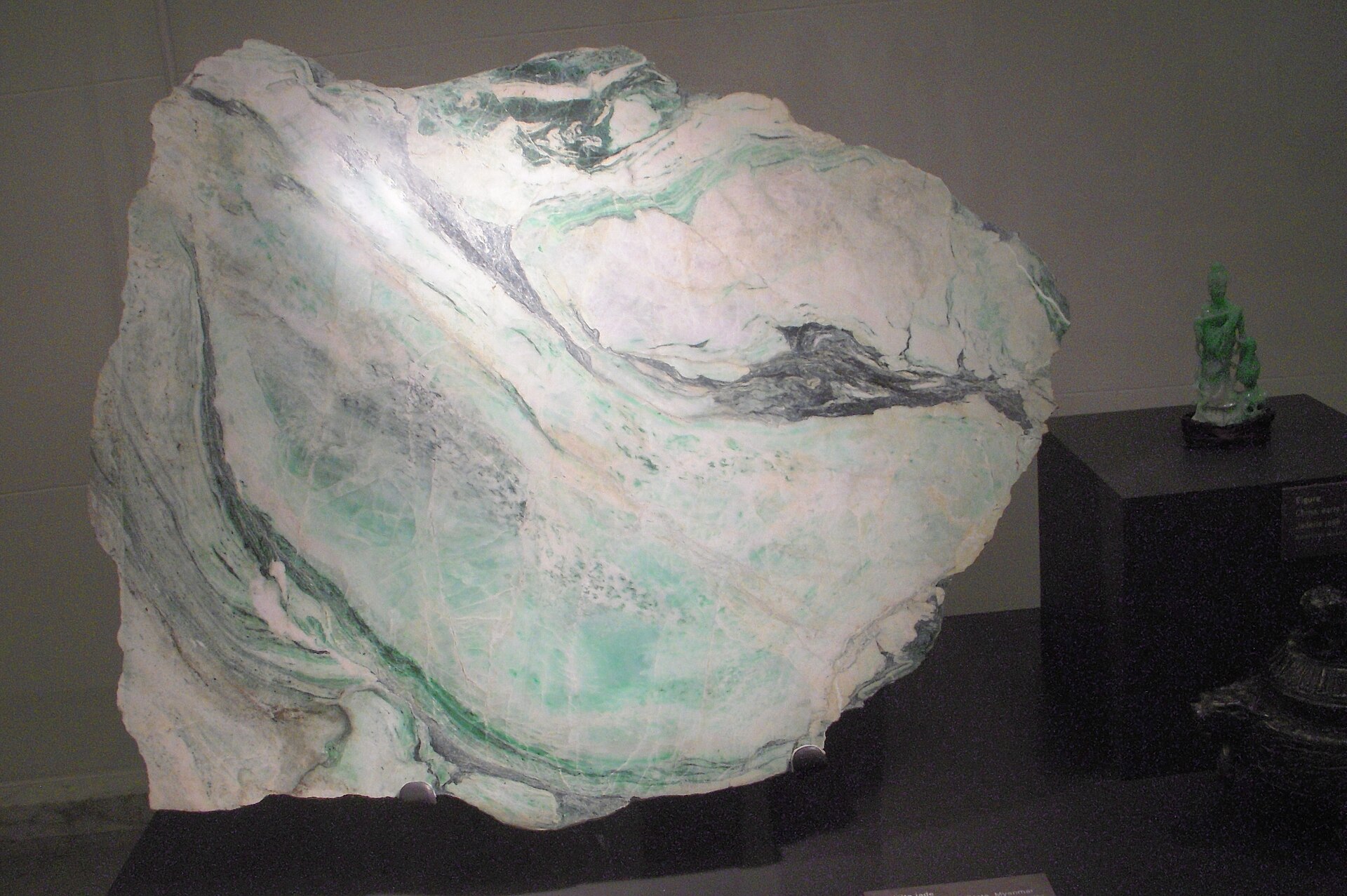
Jadeite — Photo: Lilaac · CC BY-SA 3.0
What is Jadeite?
Jadeite is a sodium-aluminum pyroxene — NaAlSi₂O₆ — that crystallizes only where ocean crust is dragged deep into subduction zones and squeezed back up: blueschist-facies rocks. That violent origin makes it far rarer than its look-alike nephrite.
Imperial jadeite — translucent emerald green colored by chromium — is among the most valuable gems on Earth. Myanmar's Hpakant mines supply nearly all of it.
Physical Properties
The full data table is in the panel alongside. Here’s what those numbers actually mean.
Origin. Subduction-zone metamorphism — jadeite means high pressure, low temperature.
Imperial grade. Cr³⁺ colors the finest translucent emerald green.
Toughness. Though less tough than nephrite, jadeite's intergrown granules still resist fracture well.
What It’s Used For
How to Identify It
| Looks like… | But differs because… | Quick test |
|---|---|---|
| Nephrite | Fibrous not granular, lighter (SG ~2.9), greasier luster | Density & texture |
| Emerald | Hexagonal crystals, vitreous, brittle | Crystal form |
Where It’s Found
Notable localities for fine specimens:
Gallery
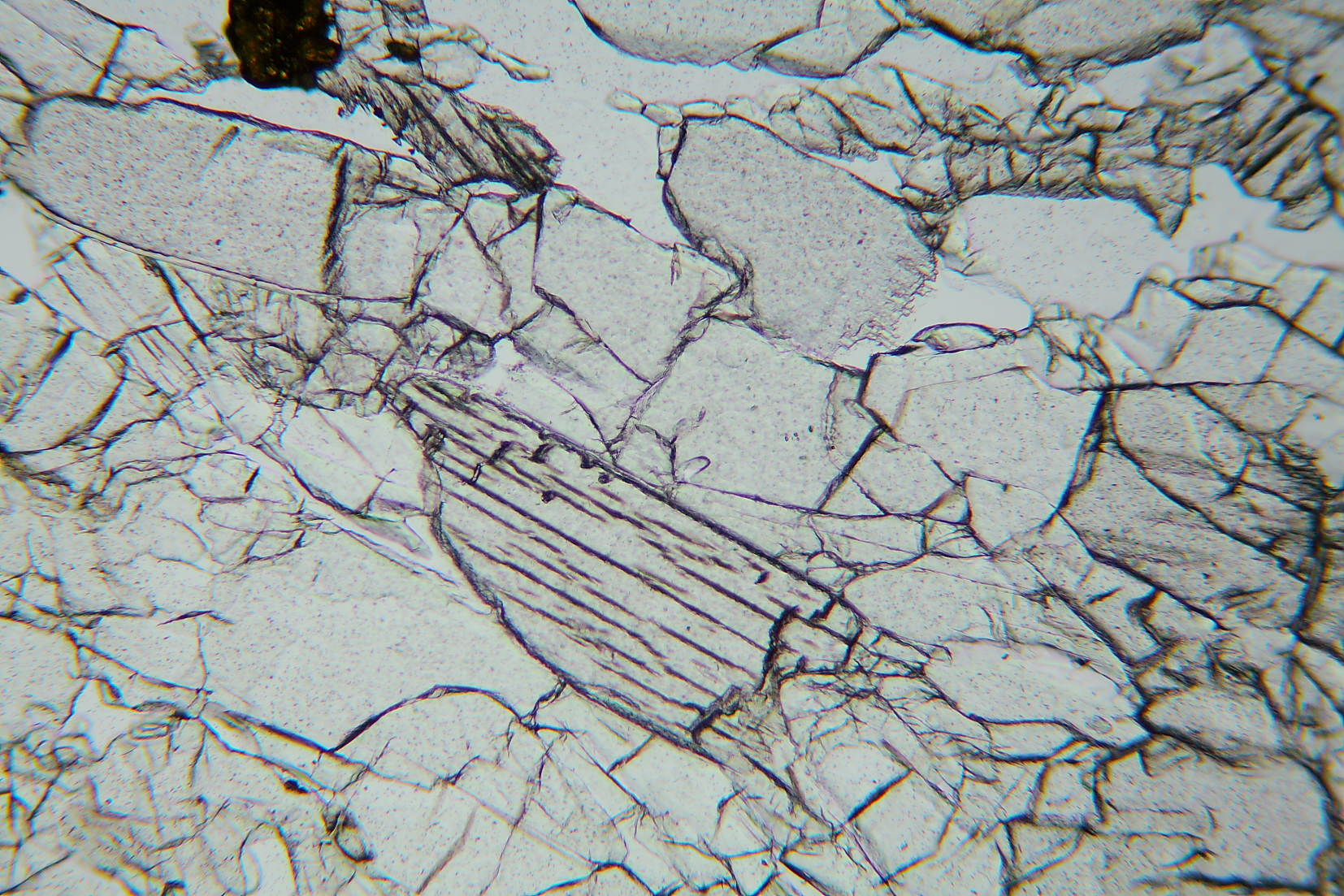
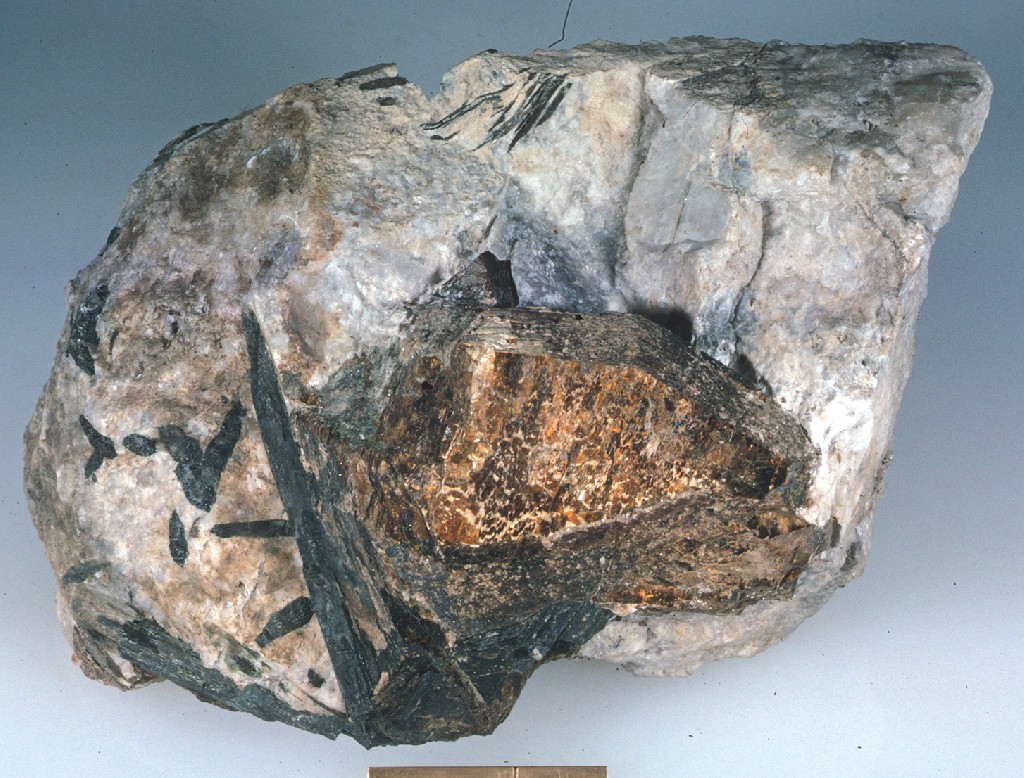
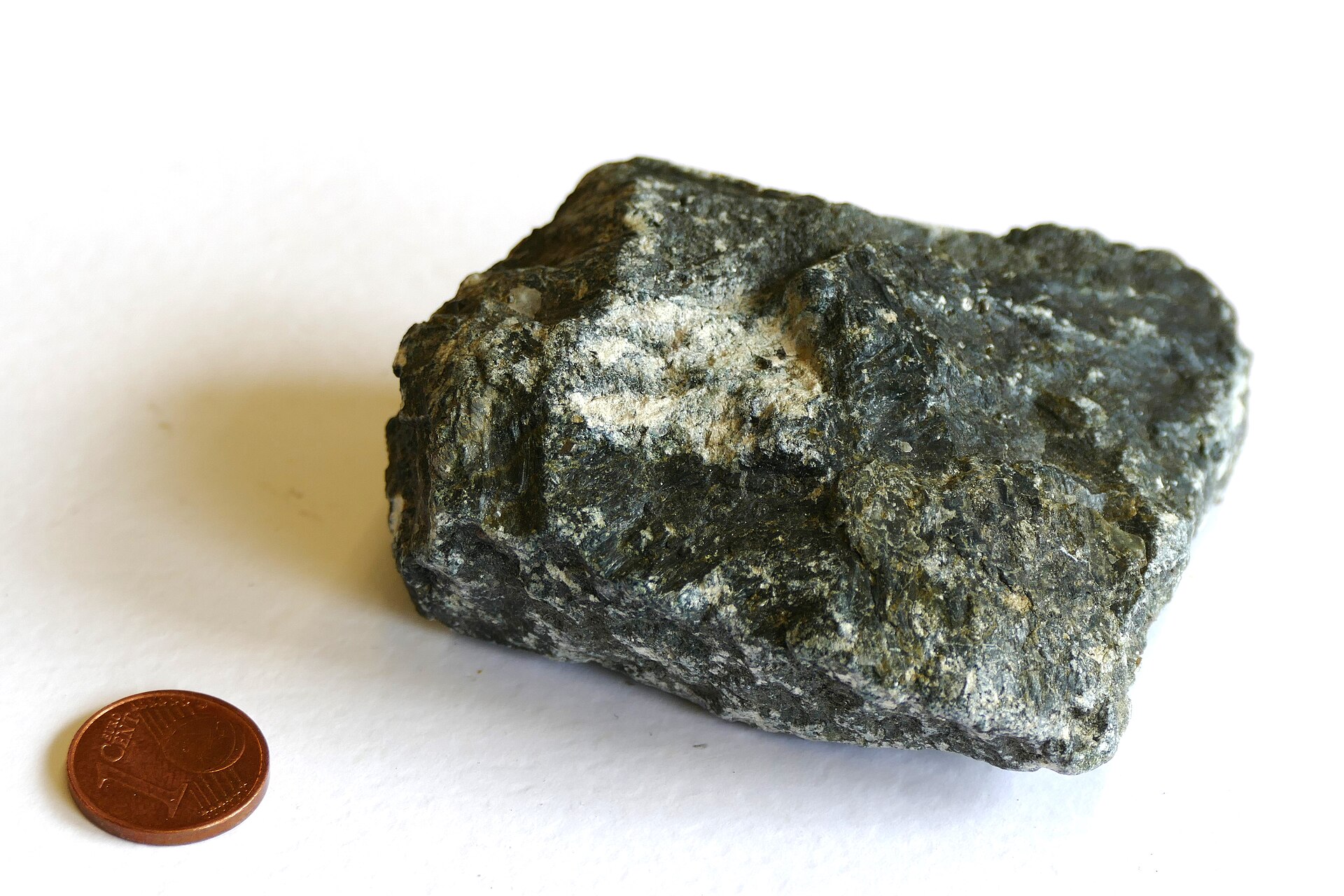
Photographs from Wikimedia Commons contributors — click a credit on the main image for the source and license.
Related Minerals
Others in the same family and minerals it commonly grows alongside.