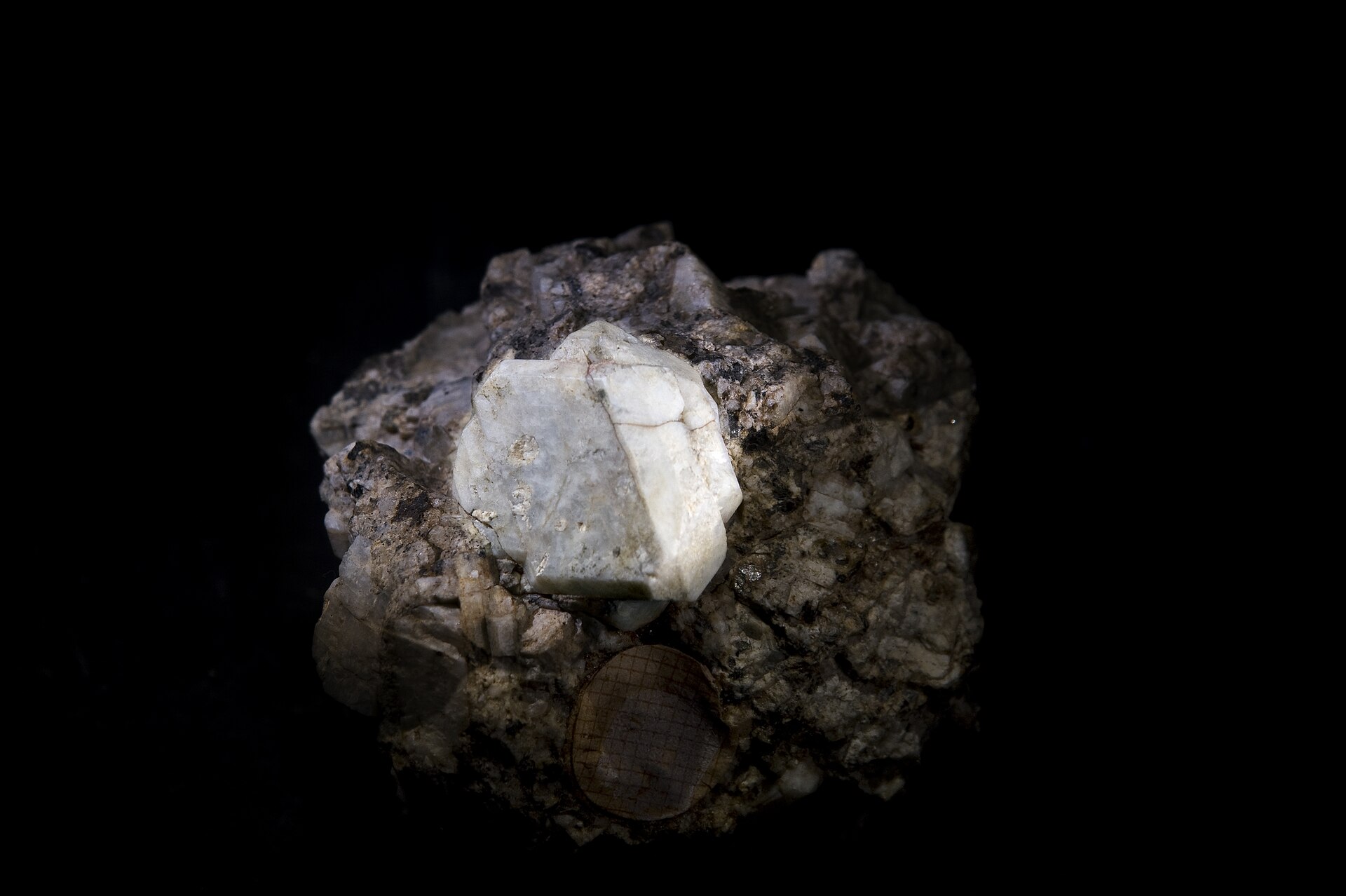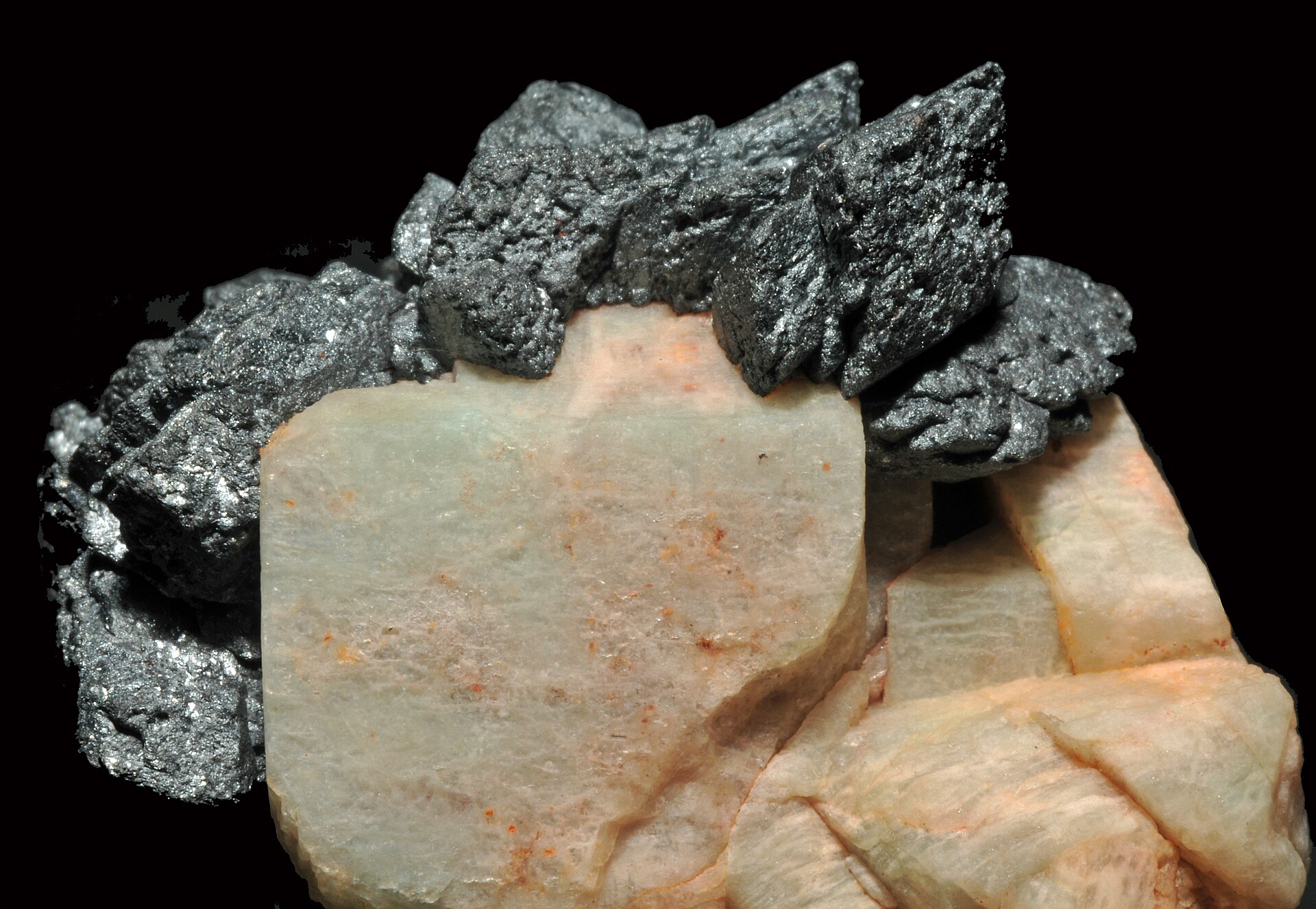
Moonstone — Photo: Lech Darski · CC BY-SA 4.0
What is Moonstone?
Moonstone is feldspar — usually orthoclase/adularia intergrown with albite — that scatters light into a floating blue-white sheen called adularescence. The effect comes from stacked micro-thin layers of two feldspars; thinner layers give bluer sheen.
Sri Lanka's gem gravels supplied the classic material for centuries. The Romans thought it was solidified moonbeams; Art Nouveau jewelers made it their signature.
Physical Properties
The full data table is in the panel alongside. Here’s what those numbers actually mean.
Adularescence. Light scattering between albite/orthoclase intergrowths — thinner layers, bluer sheen.
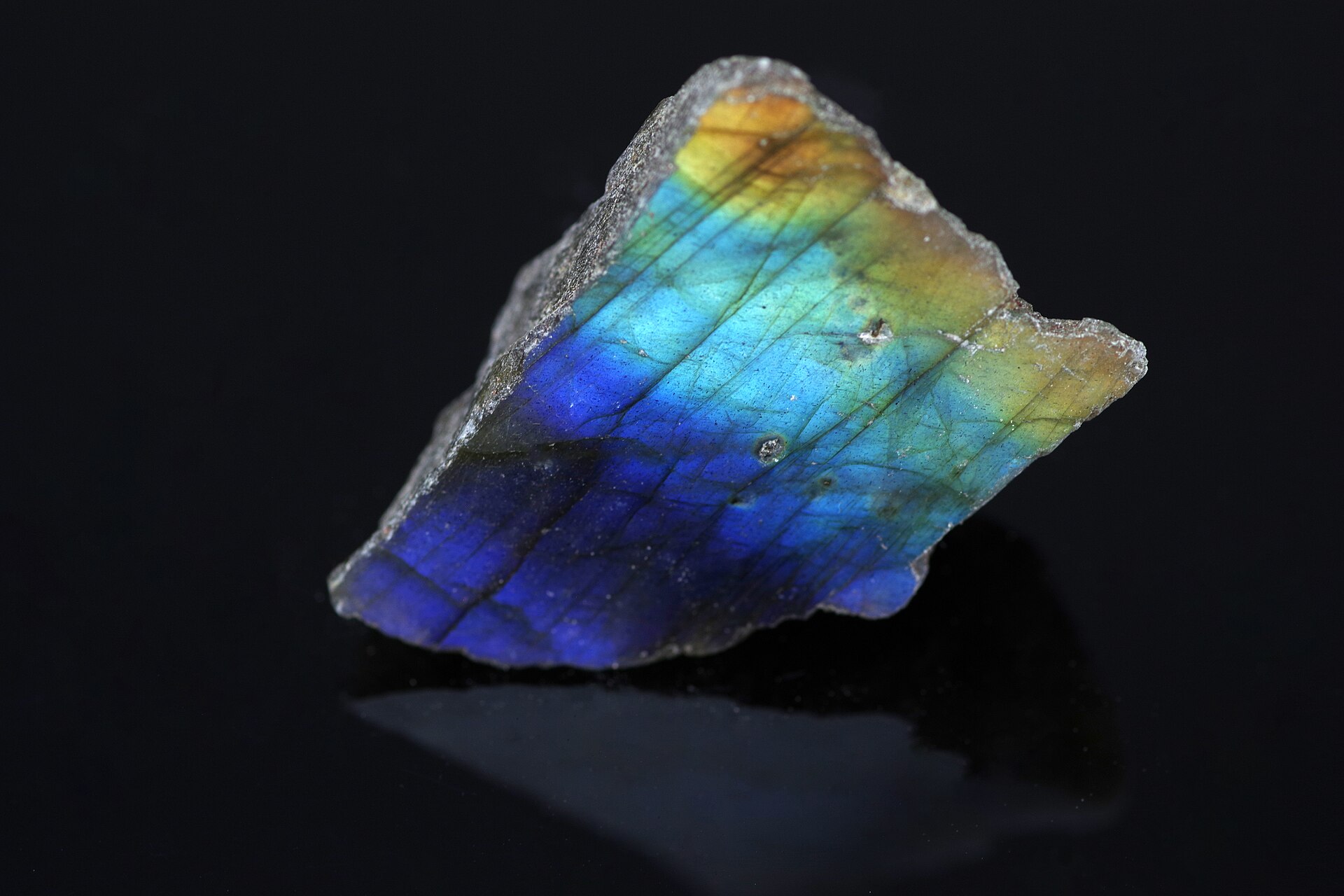
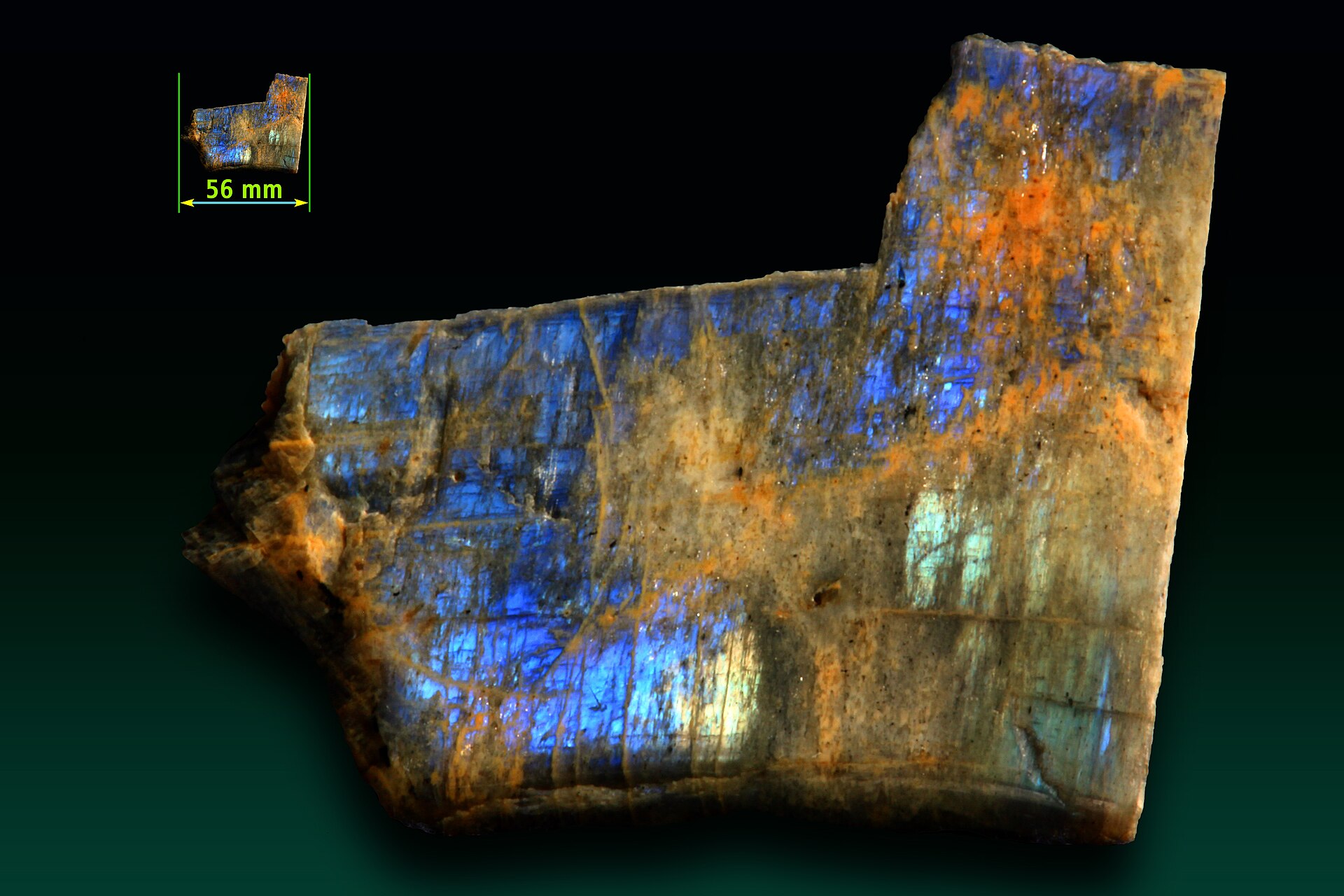
Rainbow moonstone. Actually labradorite — different feldspar, different schiller.
Cut. Always cabochon — the dome concentrates the floating sheen.
What It’s Used For
How to Identify It
| Looks like… | But differs because… | Quick test |
|---|---|---|
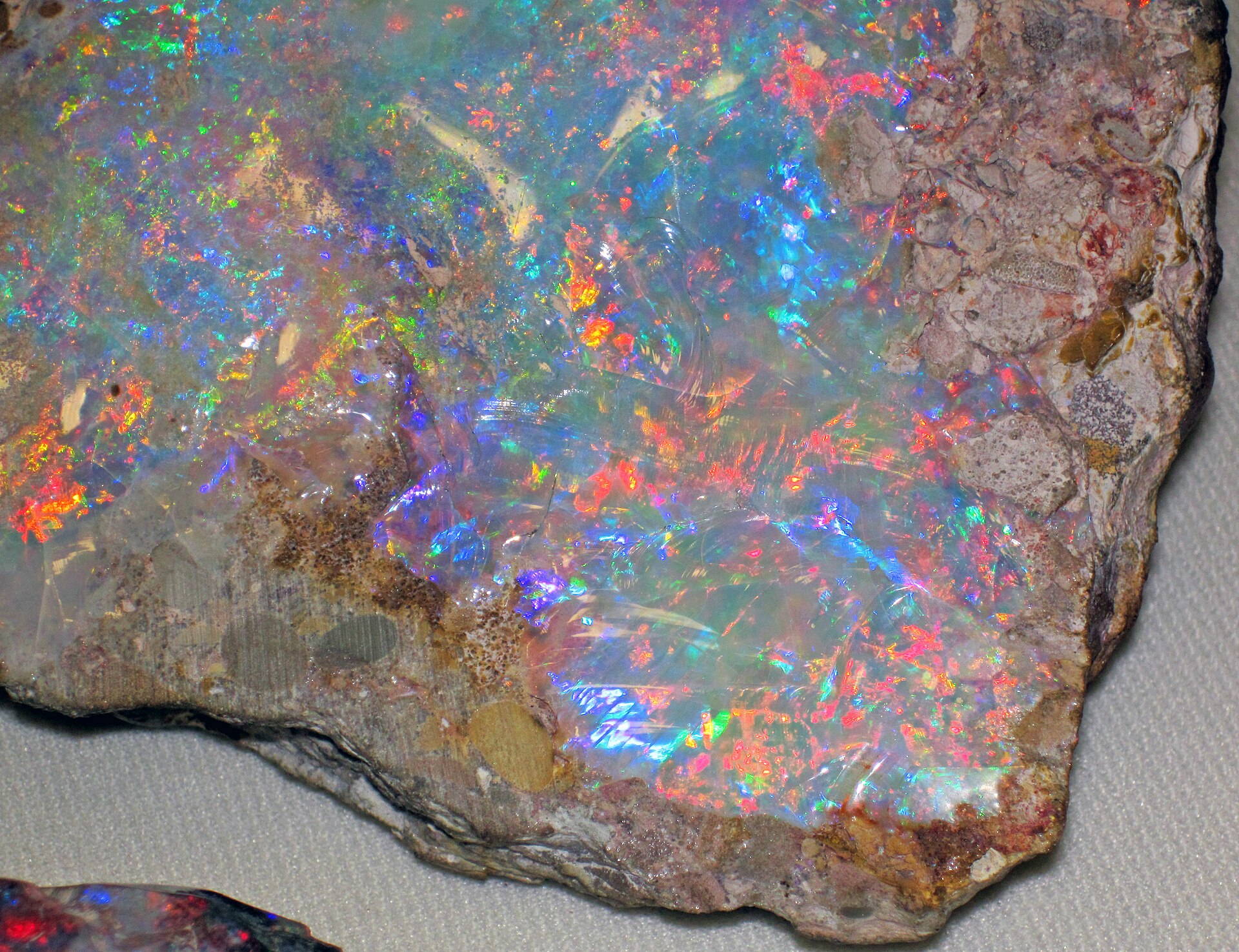
| Opal | Play-of-color in flashes, not a floating sheen; amorphous, softer | Optical effect |
| Labradorite | Labradorescence — broad color flashes on dark body | Base color |
Where It’s Found
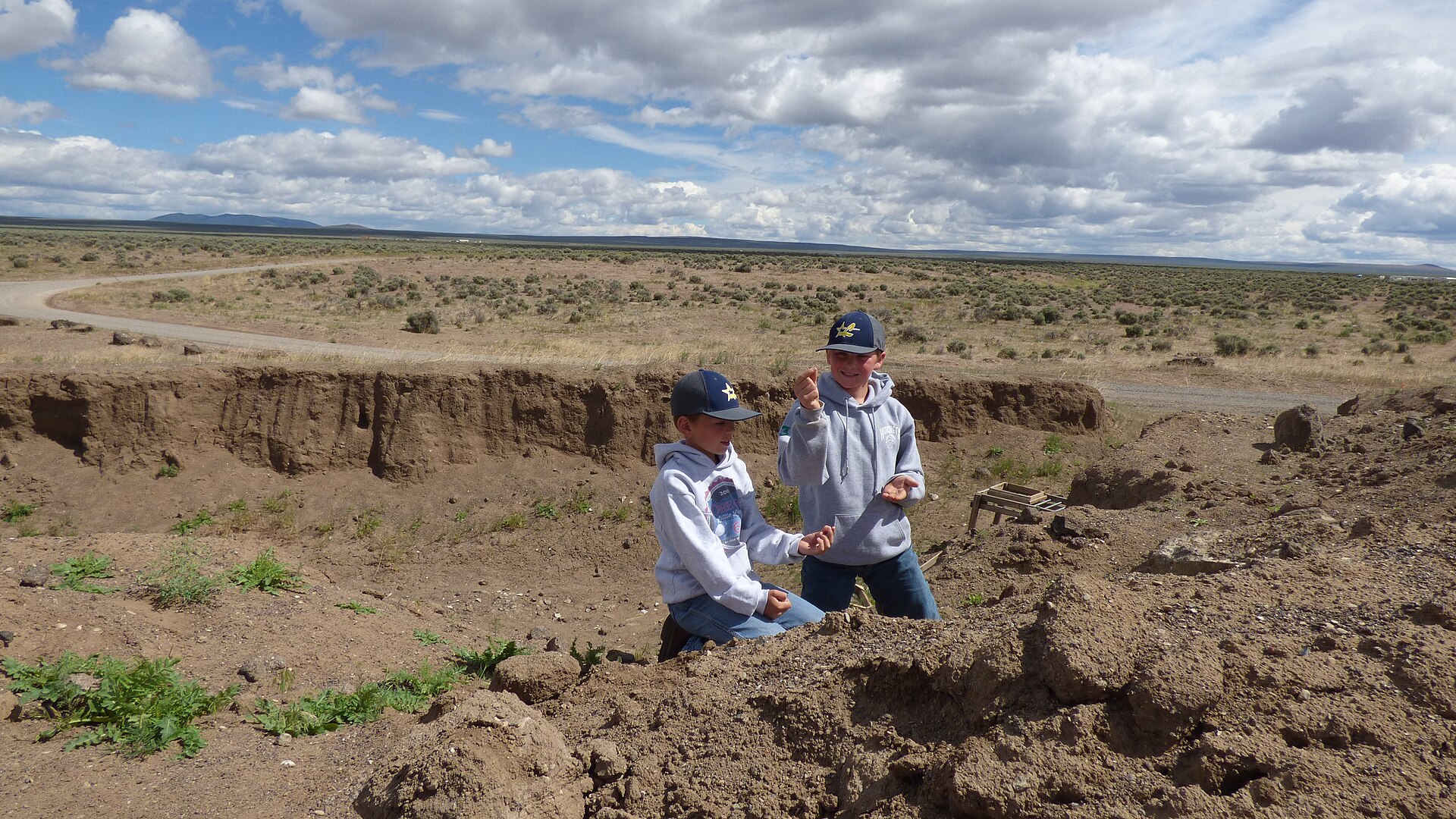
Notable localities for fine specimens:
Gallery
Photographs from Wikimedia Commons contributors — click a credit on the main image for the source and license.
Related Minerals
Others in the same family and minerals it commonly grows alongside.