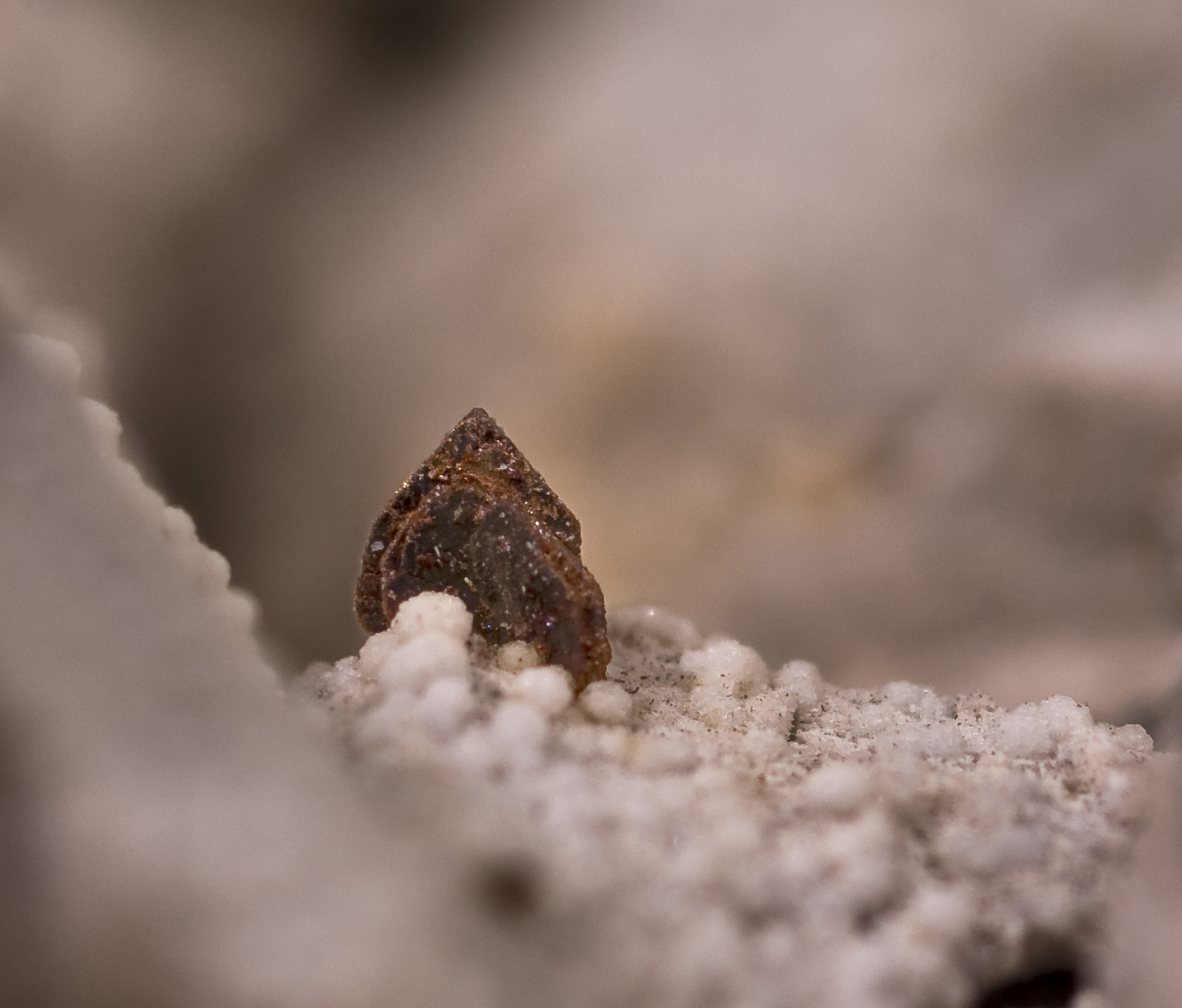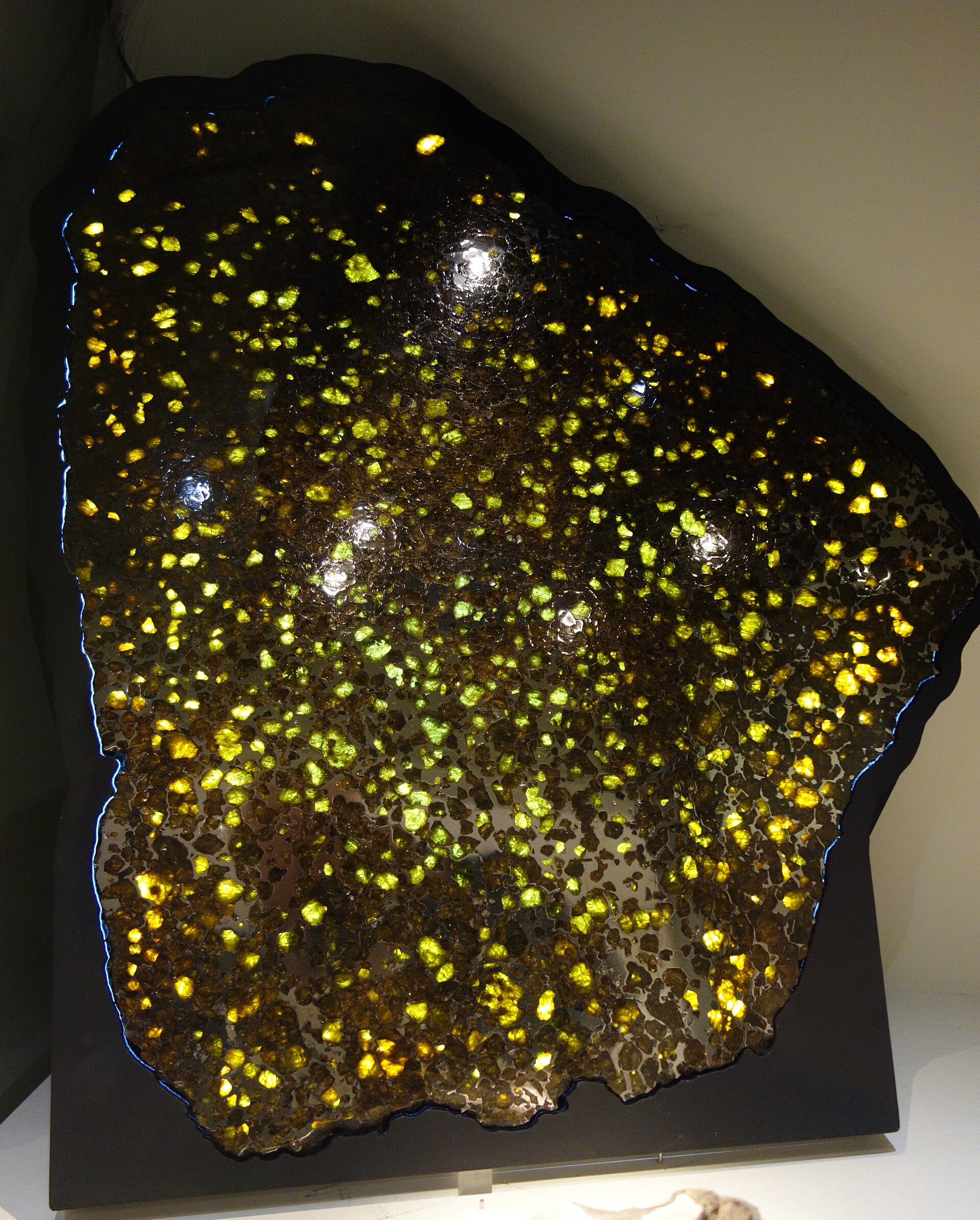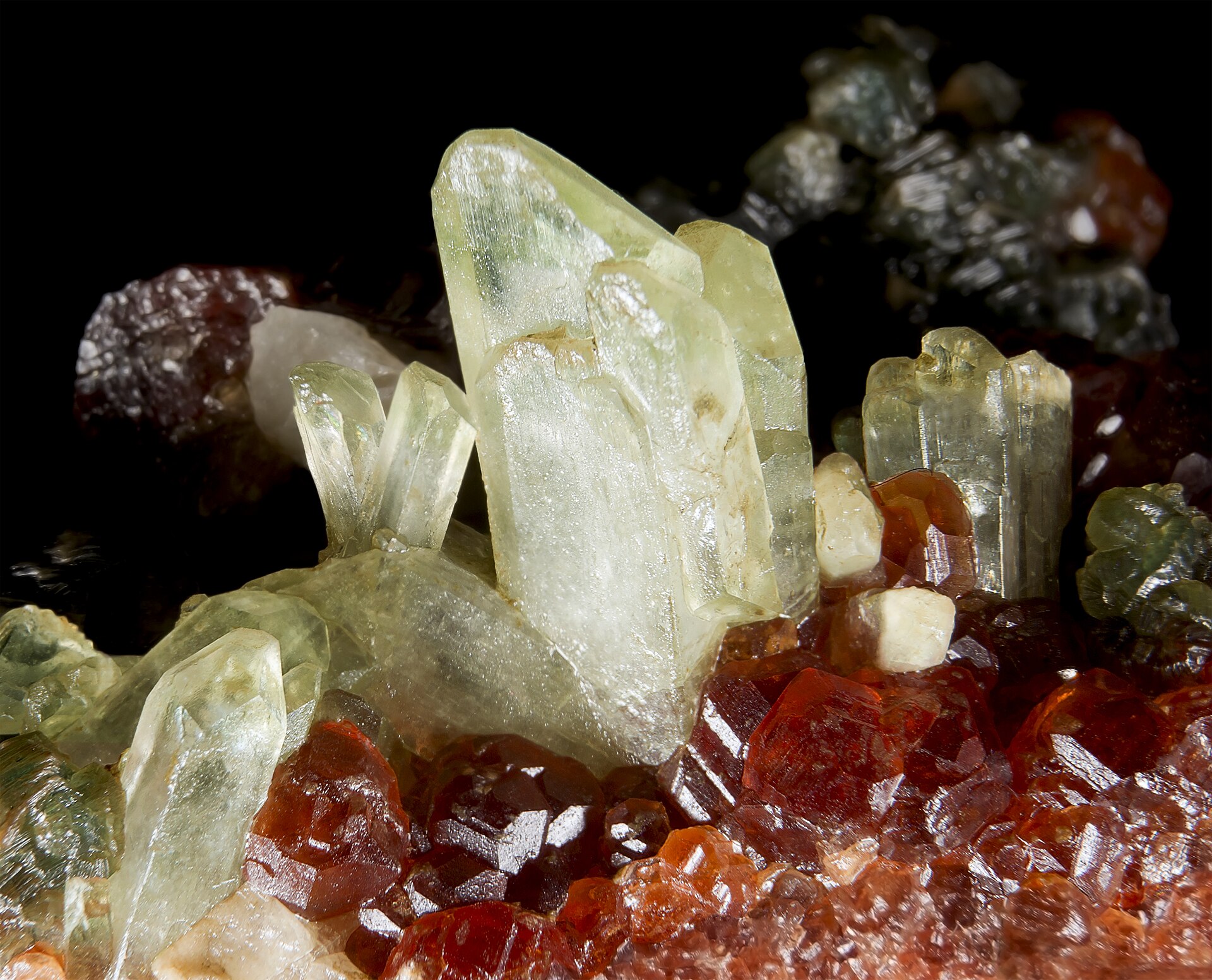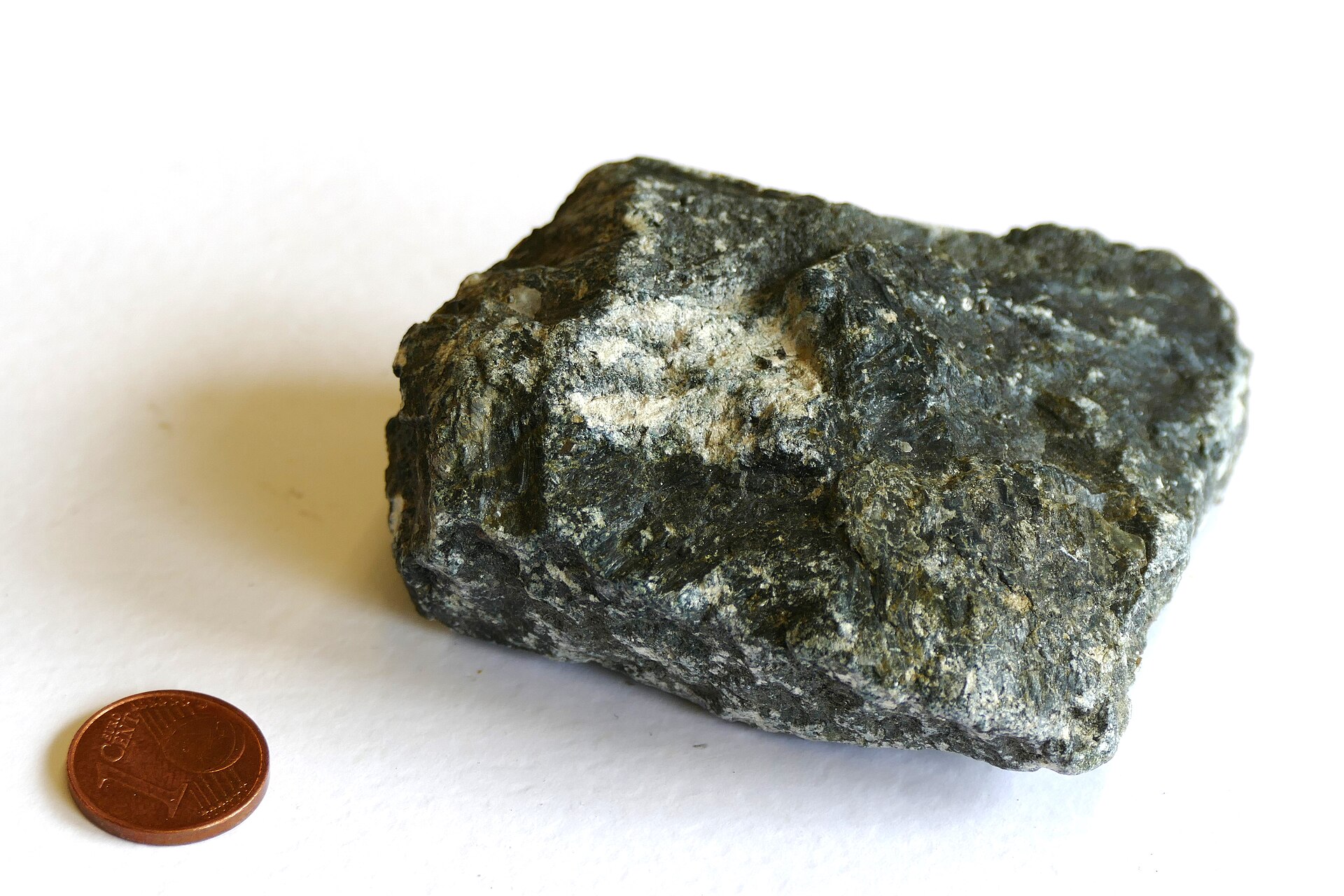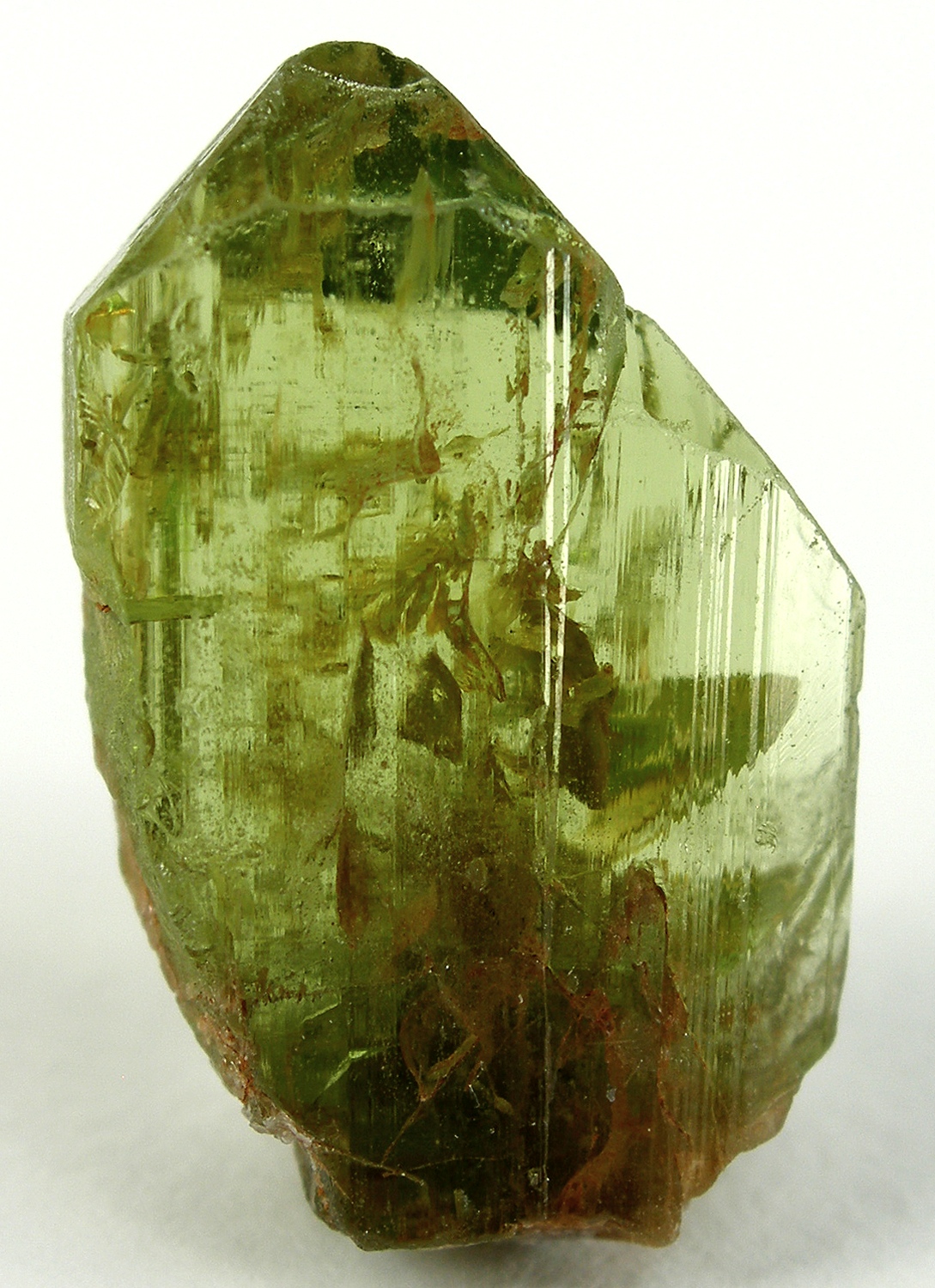
Forsterite — Photo: Robert M. Lavinsky · CC BY-SA 3.0
What is Forsterite?
Forsterite is the magnesium end member of olivine — Mg₂SiO₄ — and the mineral that makes Earth's mantle. The green sand beaches of Hawaii are forsterite-rich olivine weathering out of basalt; gem-quality crystals are peridot.
Its solid solution with fayalite (Fe₂SiO₄) spans the familiar olive greens — the Mg:Fe ratio tracks how primitive a magma was.
Physical Properties
The full data table is in the panel alongside. Here’s what those numbers actually mean.
The series. Forsterite (Mg) to fayalite (Fe) — density and color deepen with iron.
Mantle. The upper mantle is dominantly olivine — xenoliths bring pieces to the surface.
Weathering. Forsterite alters quickly to serpentine — fresh green grains signal young rock.
What It’s Used For
How to Identify It
| Looks like… | But differs because… | Quick test |
|---|---|---|
| Fayalite | Iron end member — darker green-brown, heavier | Color & chemistry |
| Diopside | Pyroxene cleavage, different habit | Cleavage |
Where It’s Found
Notable localities for fine specimens:
Gallery
Photographs from Wikimedia Commons contributors — click a credit on the main image for the source and license.
Related Minerals
Others in the same family and minerals it commonly grows alongside.