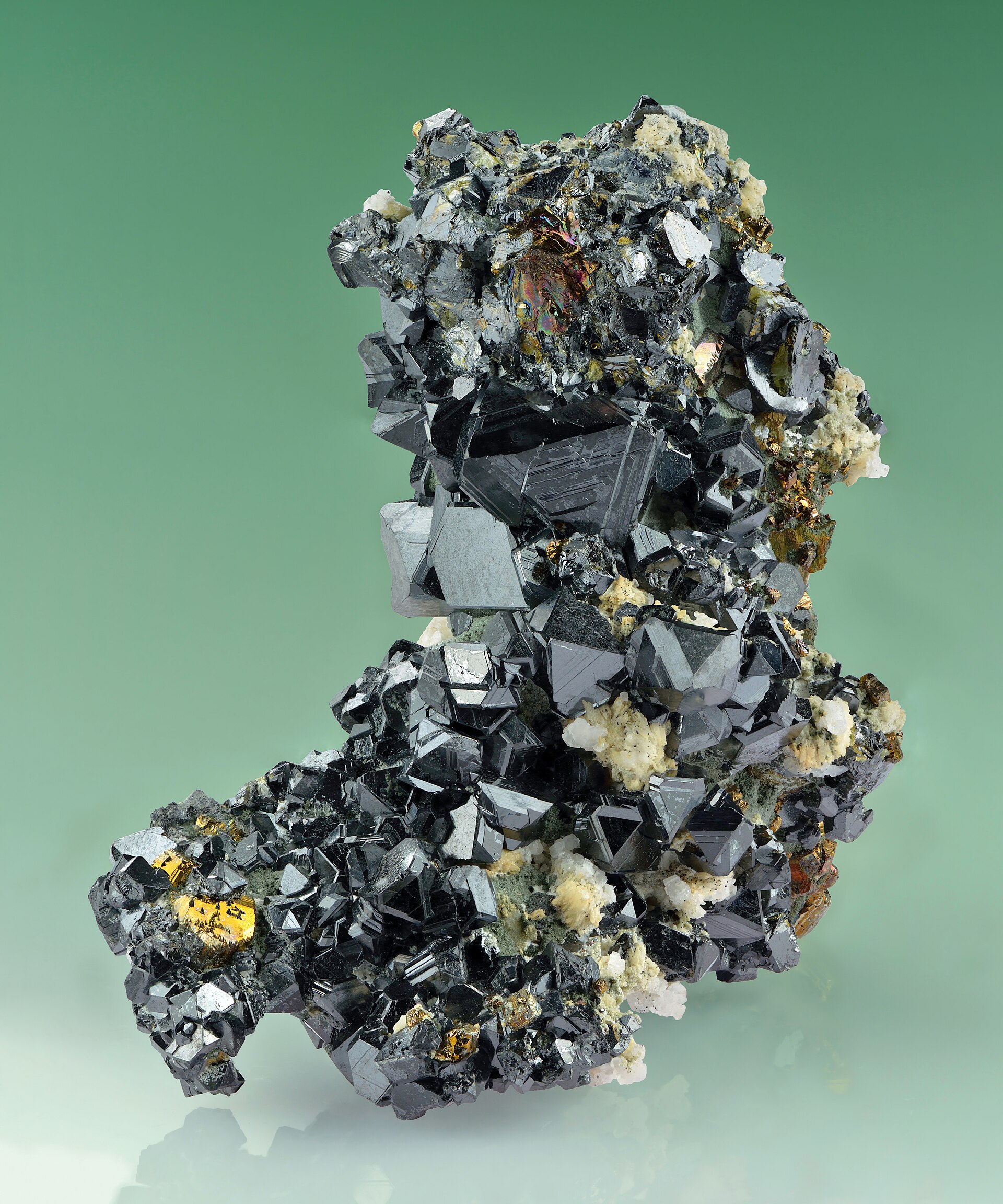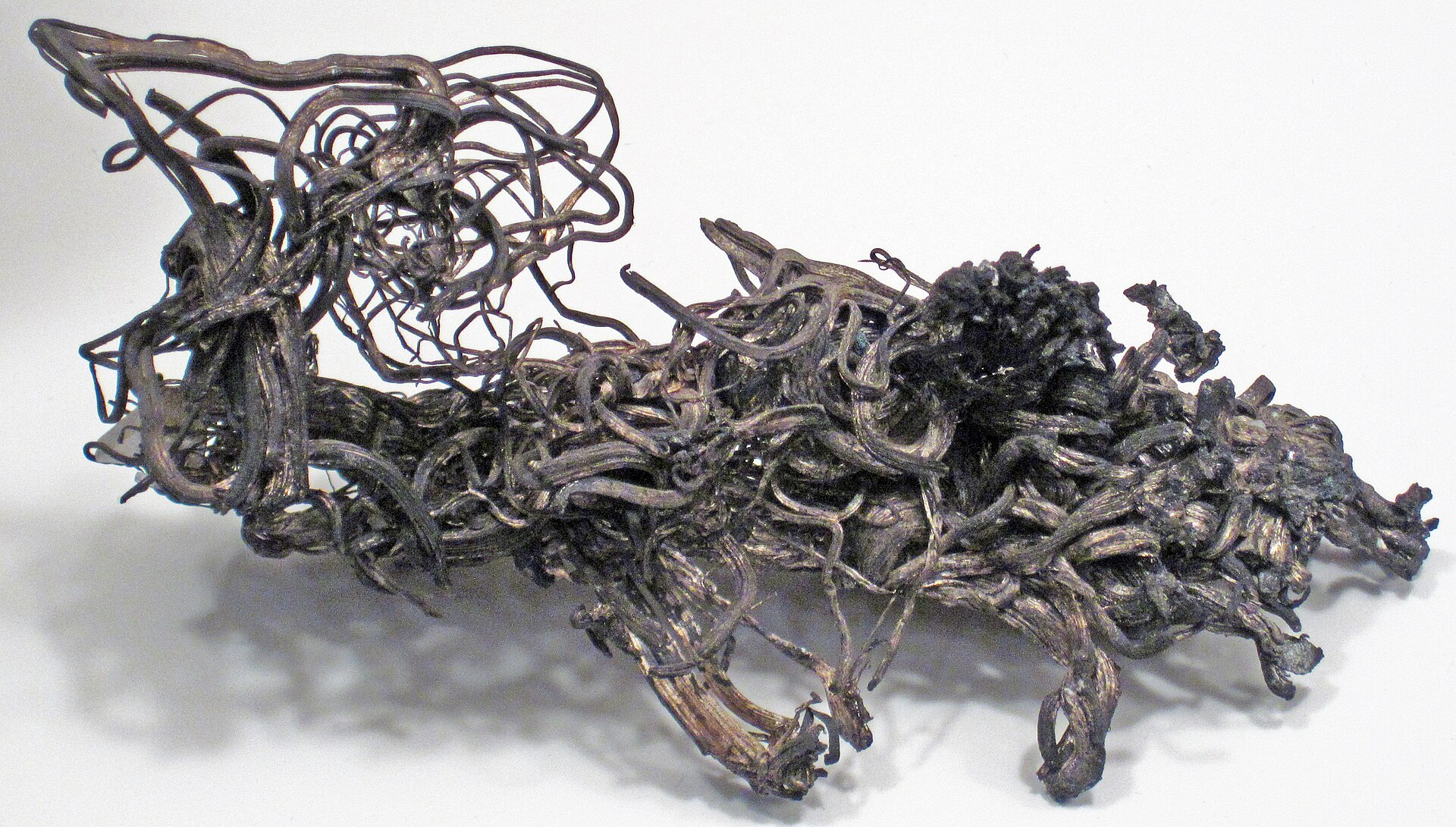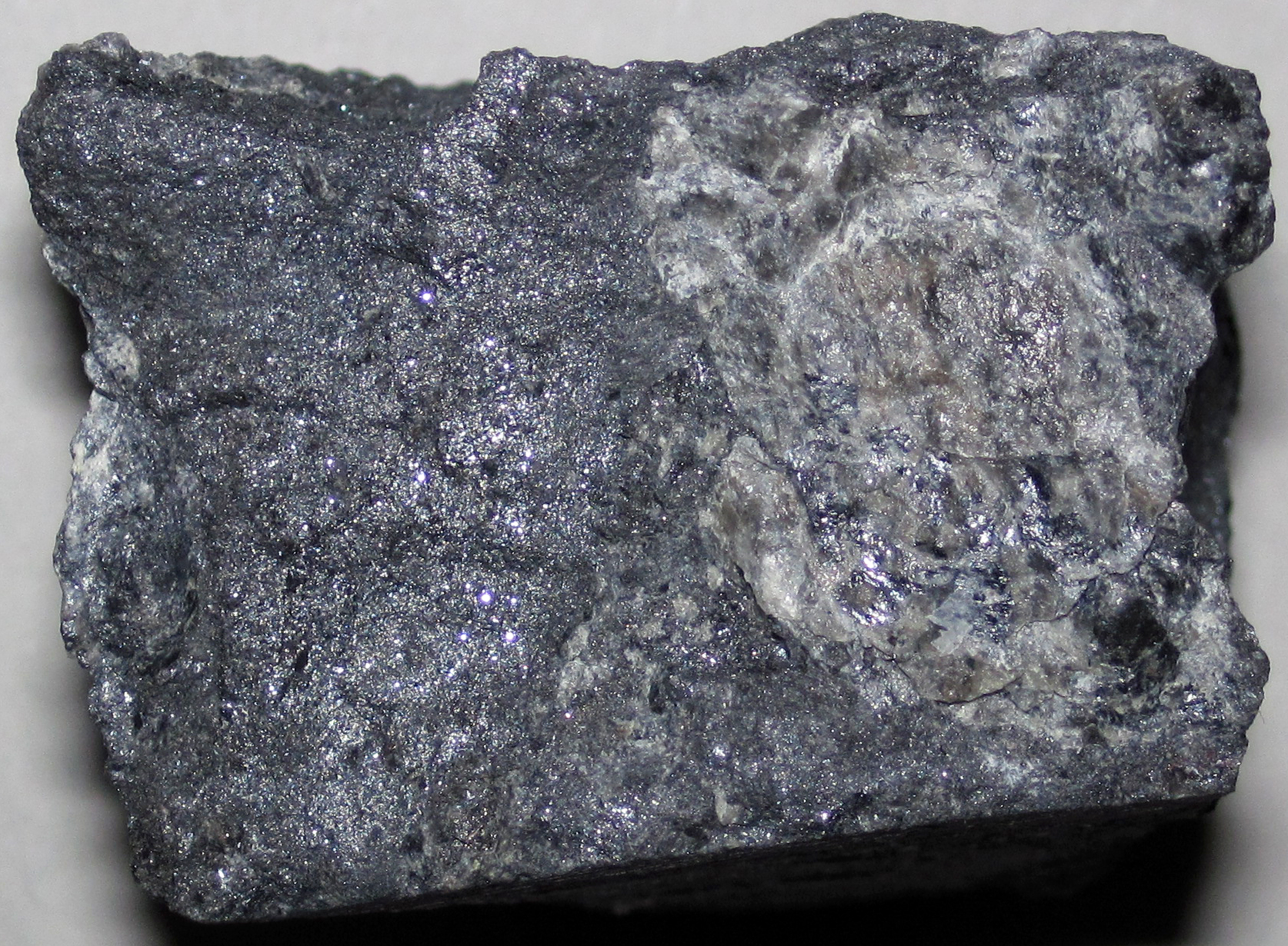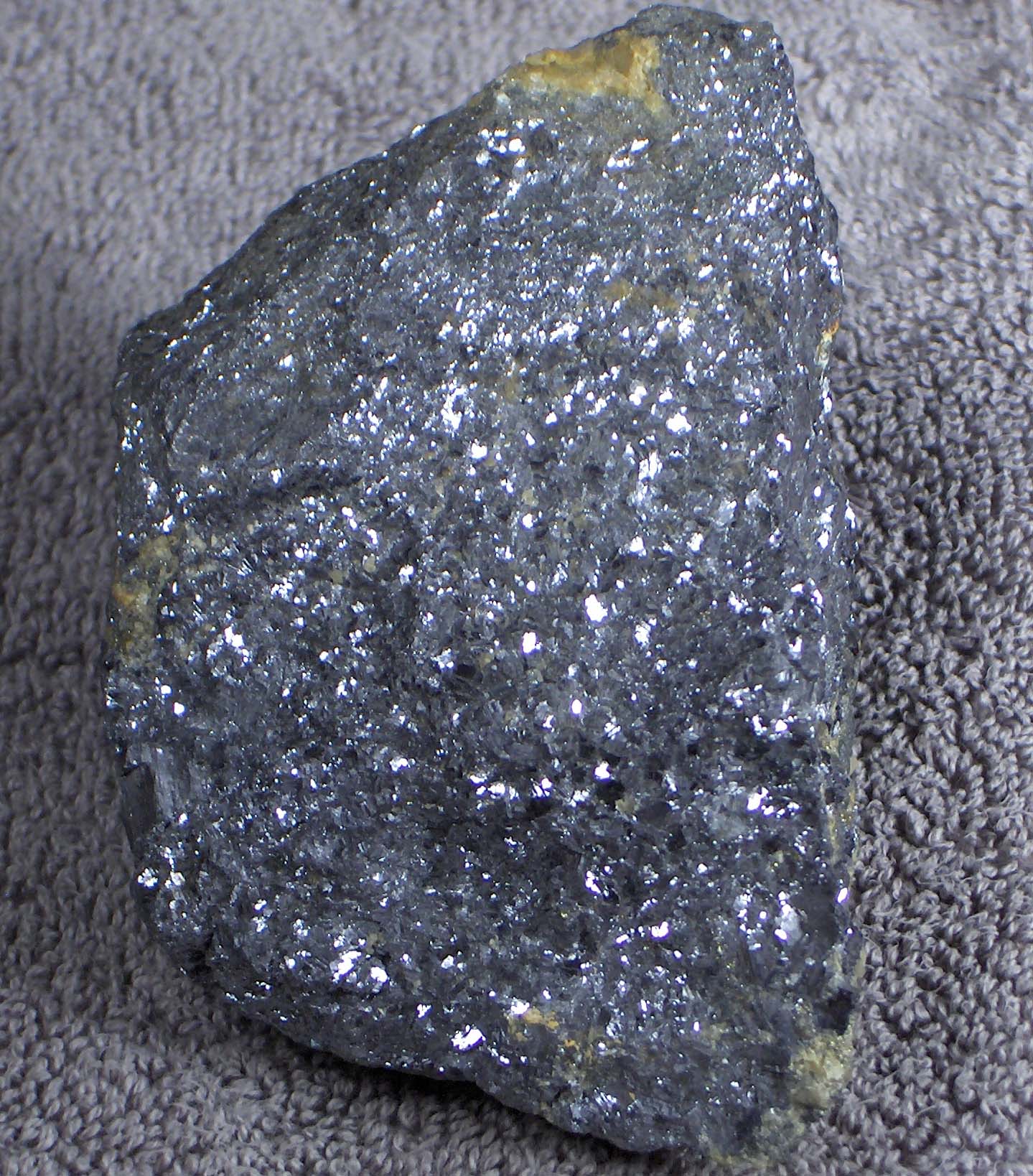
Galena — Photo: Mike Beauregard from Nunavut, Canada · CC BY 2.0
What is Galena?
Galena is lead sulfide — PbS — and the most important lead ore. It crystallizes in the isometric system as cubes and octahedra, and its perfect three-direction cleavage makes it shatter into glittering little cubes.
Pick up a thumbnail-sized piece and it feels wrong — at nearly 7.5 times the density of water, nothing this small should weigh this much. Galena often carries enough silver to be mined for it; the silver-lead mines of Lavrion in Greece bankrolled the Athenian fleet.
Physical Properties
The full data table is in the panel alongside. Here’s what those numbers actually mean.
Cleavage. Three perfect directions at right angles — a hallmark of the isometric sulfides.
Weight. SG 7.4–7.6 is the giveaway; even experienced collectors are surprised.
Silver content. Silver substitutes for lead or occurs as included acanthite — argentiferous galena built whole mining districts.
What It’s Used For
How to Identify It
| Looks like… | But differs because… | Quick test |
|---|---|---|
| Magnetite | Magnetic and much harder; streak is black | Magnet |
| Stibnite | Bladed striated crystals, one-direction cleavage, far lighter | Habit & weight |
Where It’s Found
Notable localities for fine specimens:
Gallery
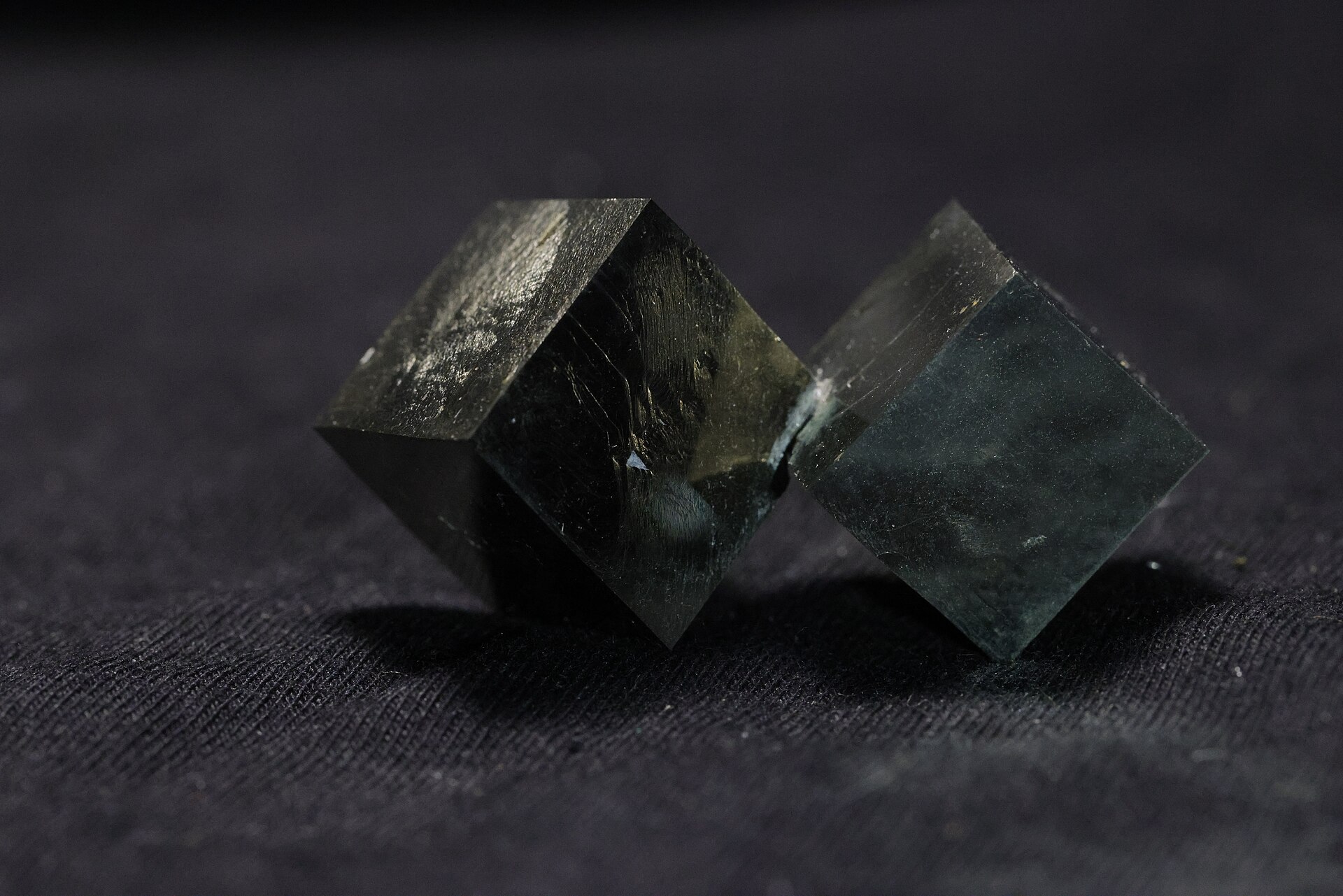
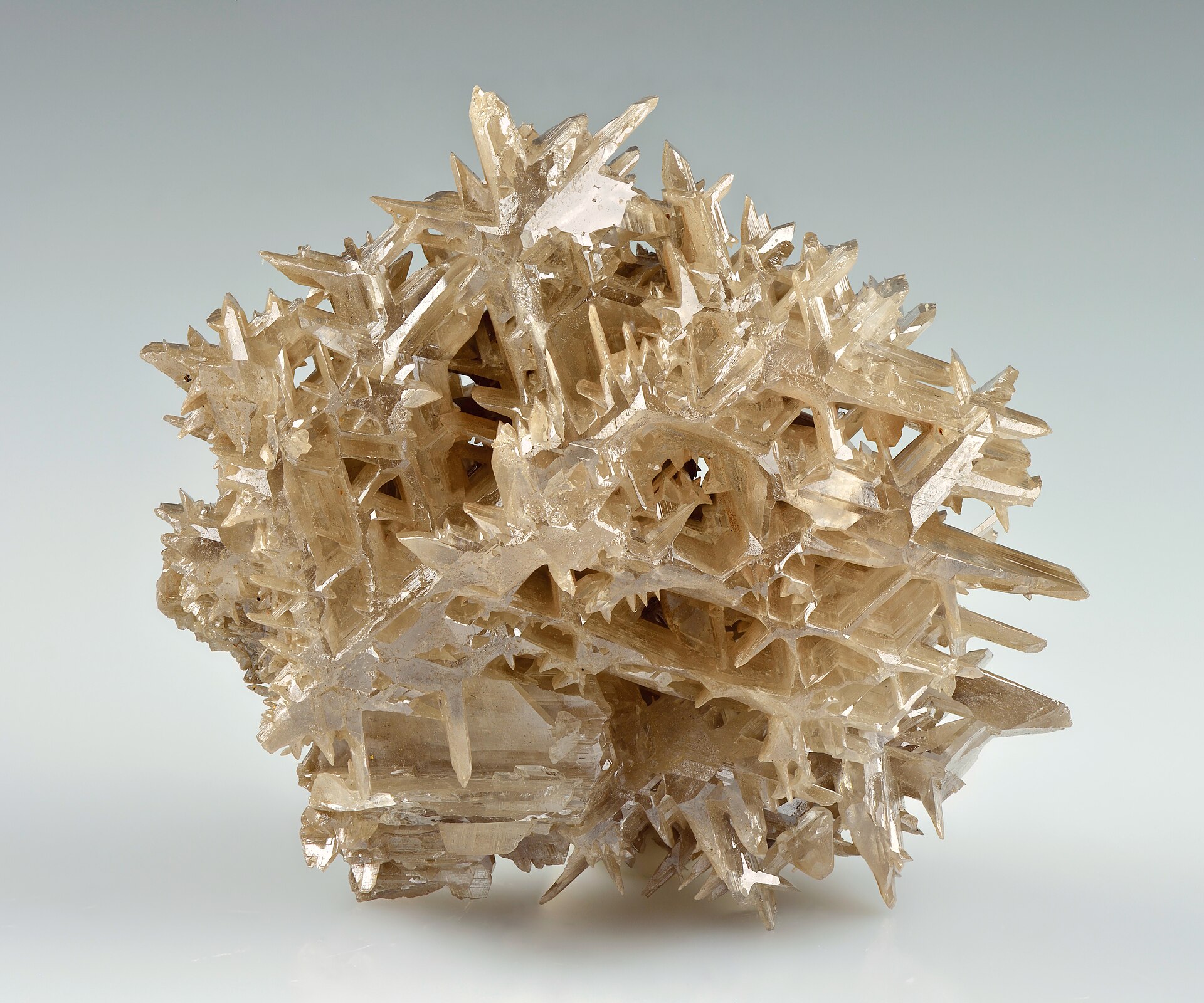
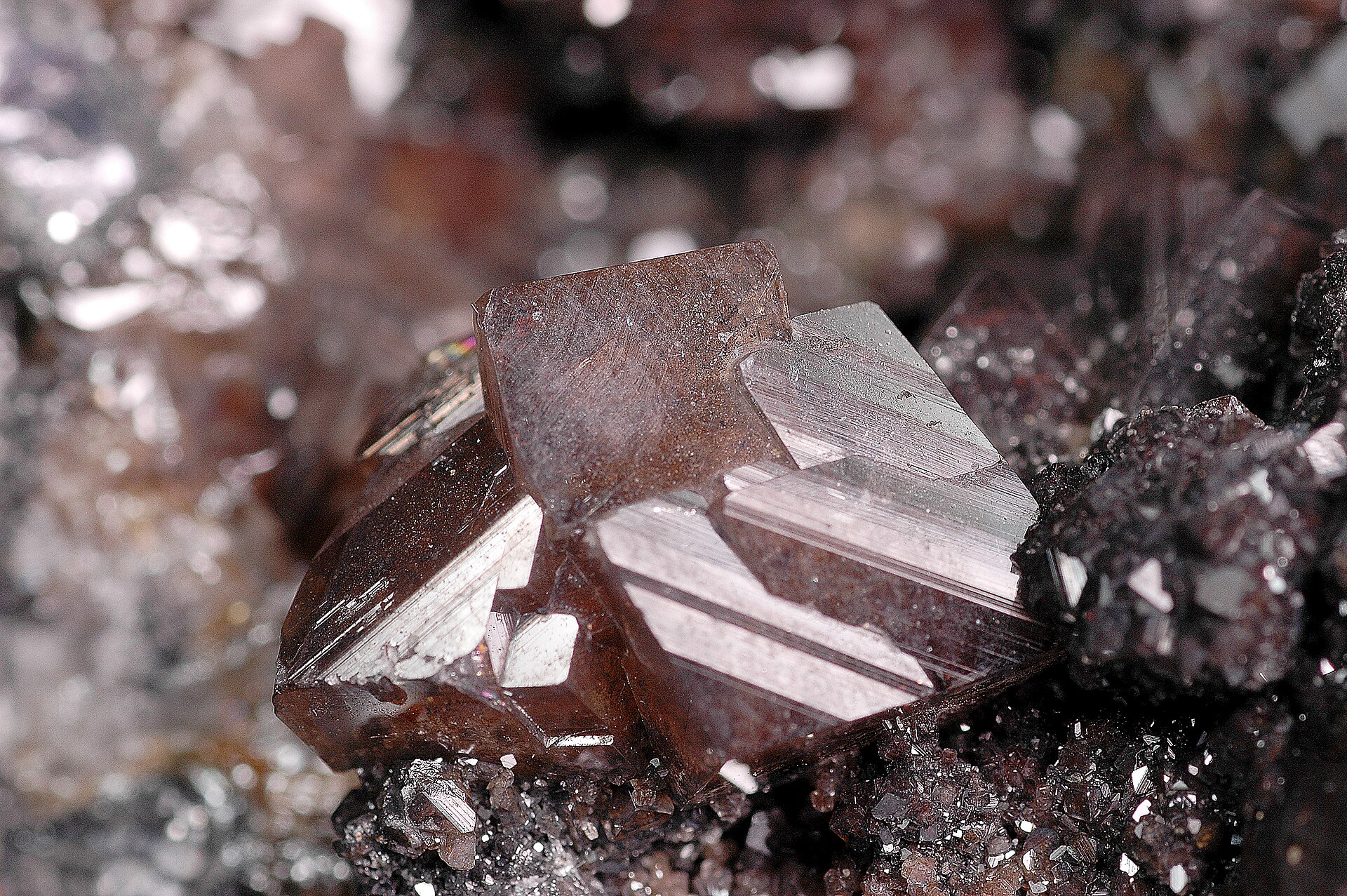
Photographs from Wikimedia Commons contributors — click a credit on the main image for the source and license.
Related Minerals
Others in the same family and minerals it commonly grows alongside.