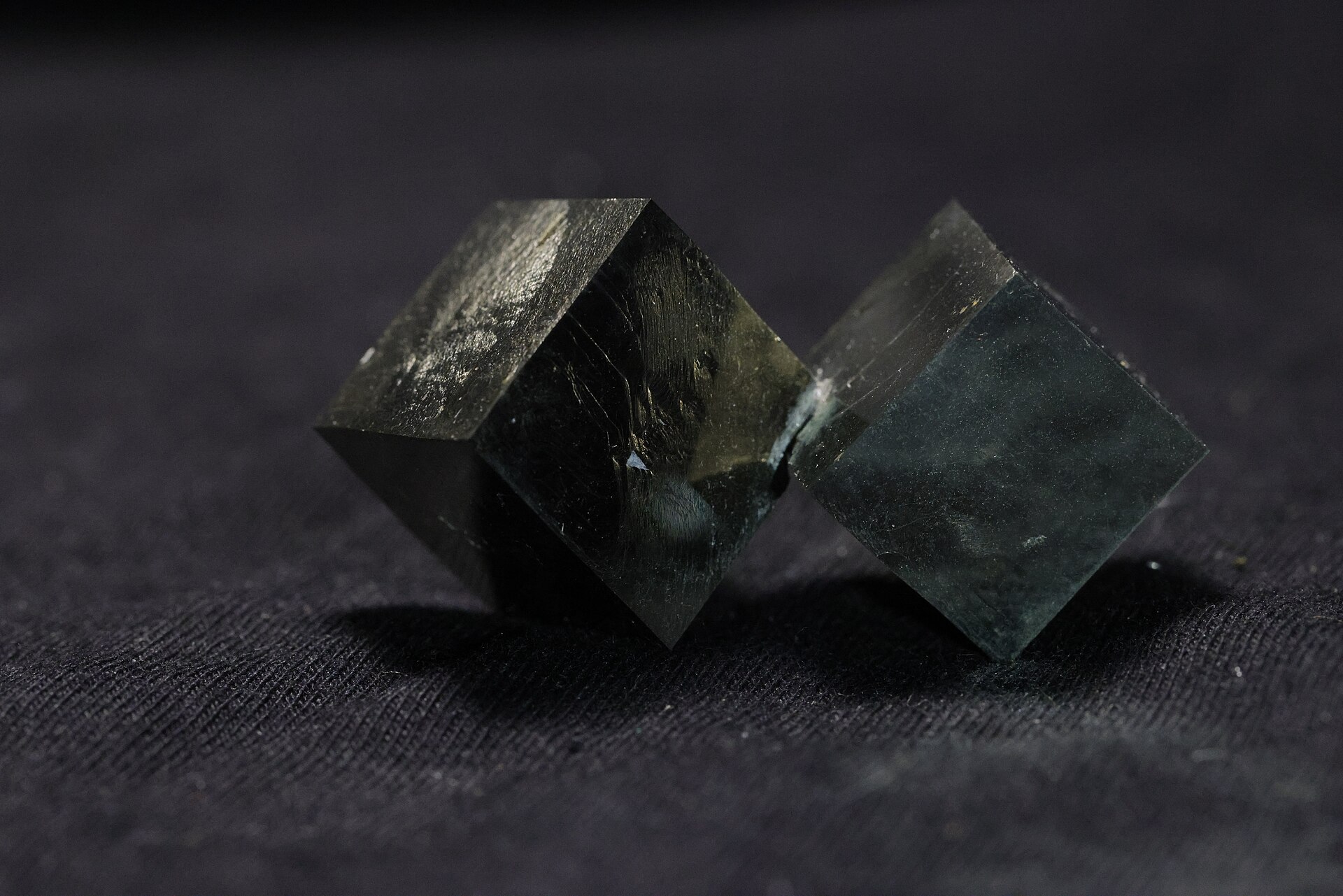
Brass-yellow pyrite cubes with characteristic striated faces — ‘fool’s gold’ — Photo: TheFurther21 · CC BY-SA 4.0
What is Pyrite?
Pyrite is iron disulfide — FeS₂ — the glittering ‘fool’s gold’ that has embarrassed prospectors for centuries. The joke cuts both ways, though: real gold is frequently found inside pyrite.
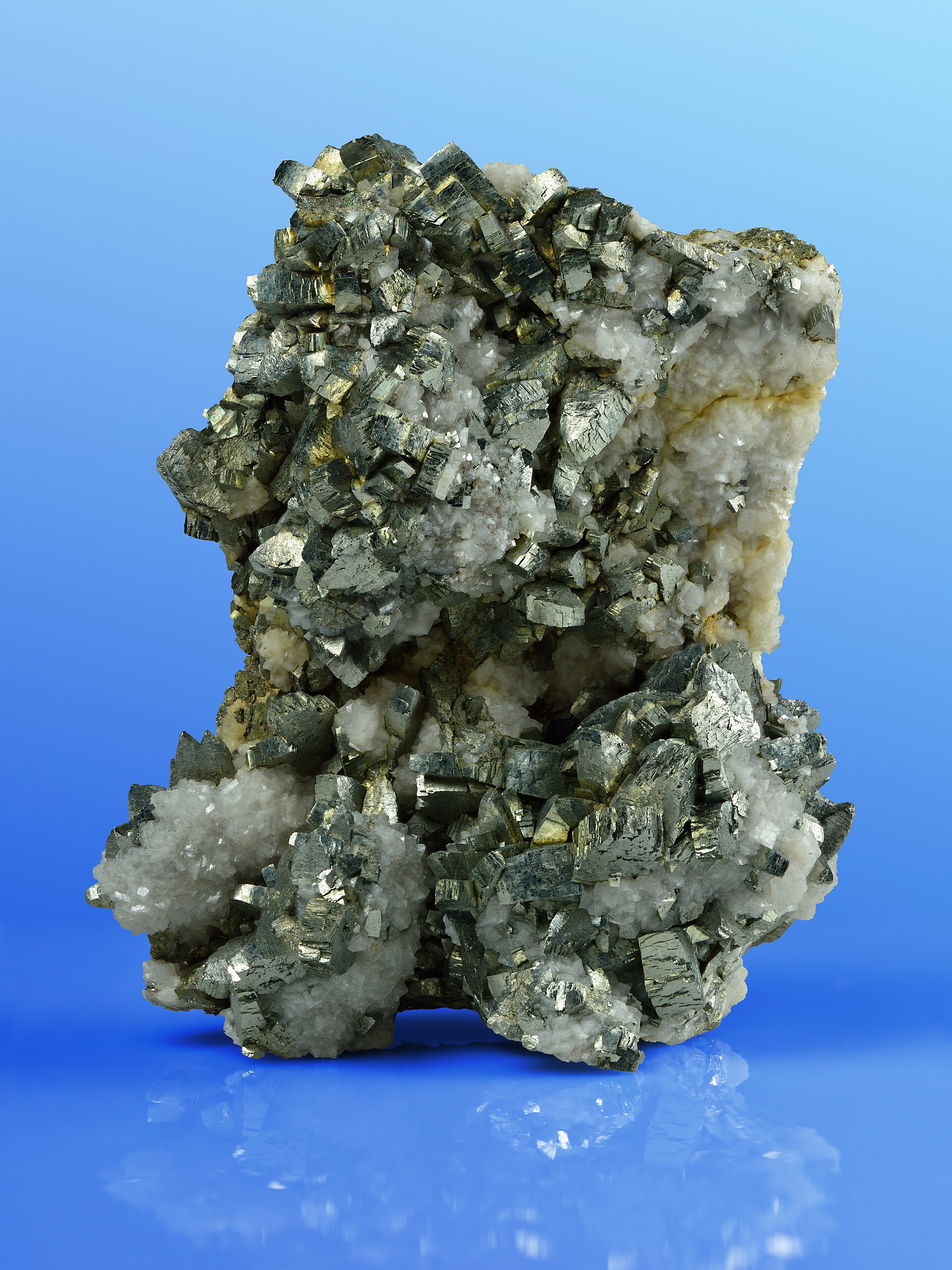
It is the most common sulfide mineral on Earth, growing as brassy cubes scored with fine striations, as twelve-sided pyritohedra, or as masses and raspberry-textured framboids in veins, coals and black shales.
Strike it against steel and pyrite throws sparks — the Greek pyr, ‘fire’, gave the mineral its name and helped arm the wheel-lock guns of the 16th century.
Physical Properties
The full data table is in the panel alongside. Here’s what those numbers actually mean.
Striated cubes. Look closely at a cube: the faces carry fine grooves, and the striations on neighboring faces run at right angles. That cross-hatched pattern is pyrite’s fingerprint, produced as two crystal forms competed during growth.
Hardness and streak. At 6–6.5 pyrite scratches glass and laughs at a pocket knife (gold, at 2.5–3, dents). Dragged across unglazed porcelain it leaves a greenish-black streak; gold leaves a yellow one.
Brittleness. Hit pyrite and it shatters — or sparks. Hit gold and it flattens. Malleability, not color, is the real test.
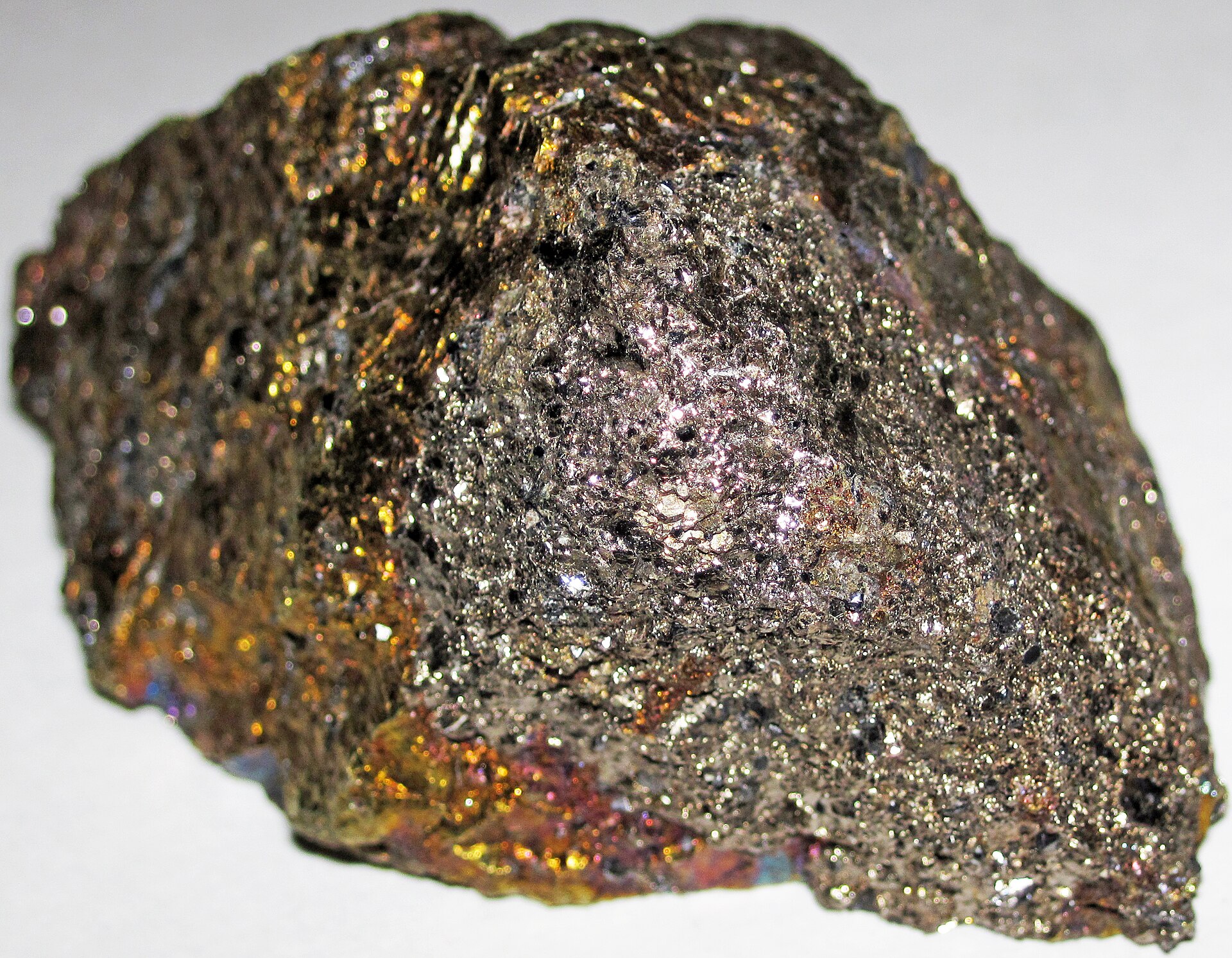
Tarnish and decay. Fresh pyrite is pale brass; weathered surfaces go iridescent or rusty brown. In damp collections it can oxidize into sulfuric acid that eats its own specimen label — the notorious pyrite decay.
How & Where It Forms
Pyrite forms wherever iron meets reduced sulfur: in hydrothermal veins with gold and copper ores, as an accessory mineral in igneous and metamorphic rocks, and above all in oxygen-starved muds, where bacteria generate hydrogen sulfide that locks iron into tiny framboids in coal and black shale.
Its chemical twin — same formula, different structure — is marcasite, which grows in cooler, near-surface settings and weathers even faster.
Often grows alongside:
What It’s Used For
How to Identify It
The fool’s-gold test is simple: streak. Pyrite leaves greenish-black on unglazed porcelain; gold leaves gold. Pyrite is brittle and hard; gold is soft and malleable. Chalcopyrite is softer and brassier (a knife scratches it), pyrrhotite is magnetic, and marcasite is paler and tin-white.
| Looks like… | But differs because… | Quick test |
|---|---|---|
| Gold | Soft and malleable with a yellow streak and SG ≈ 19 — pyrite is brittle with a black streak | Streak & dent test |
| Chalcopyrite | Softer (3.5–4), deeper brassy color, and often iridescent tarnish | A knife scratches chalcopyrite |
| Marcasite | Same FeS₂ formula but orthorhombic; paler, tin-white, and far less stable | Color & crystal shape |
| Pyrrhotite | Bronze-brown, softer, and usually magnetic — pyrite is not | Magnet |
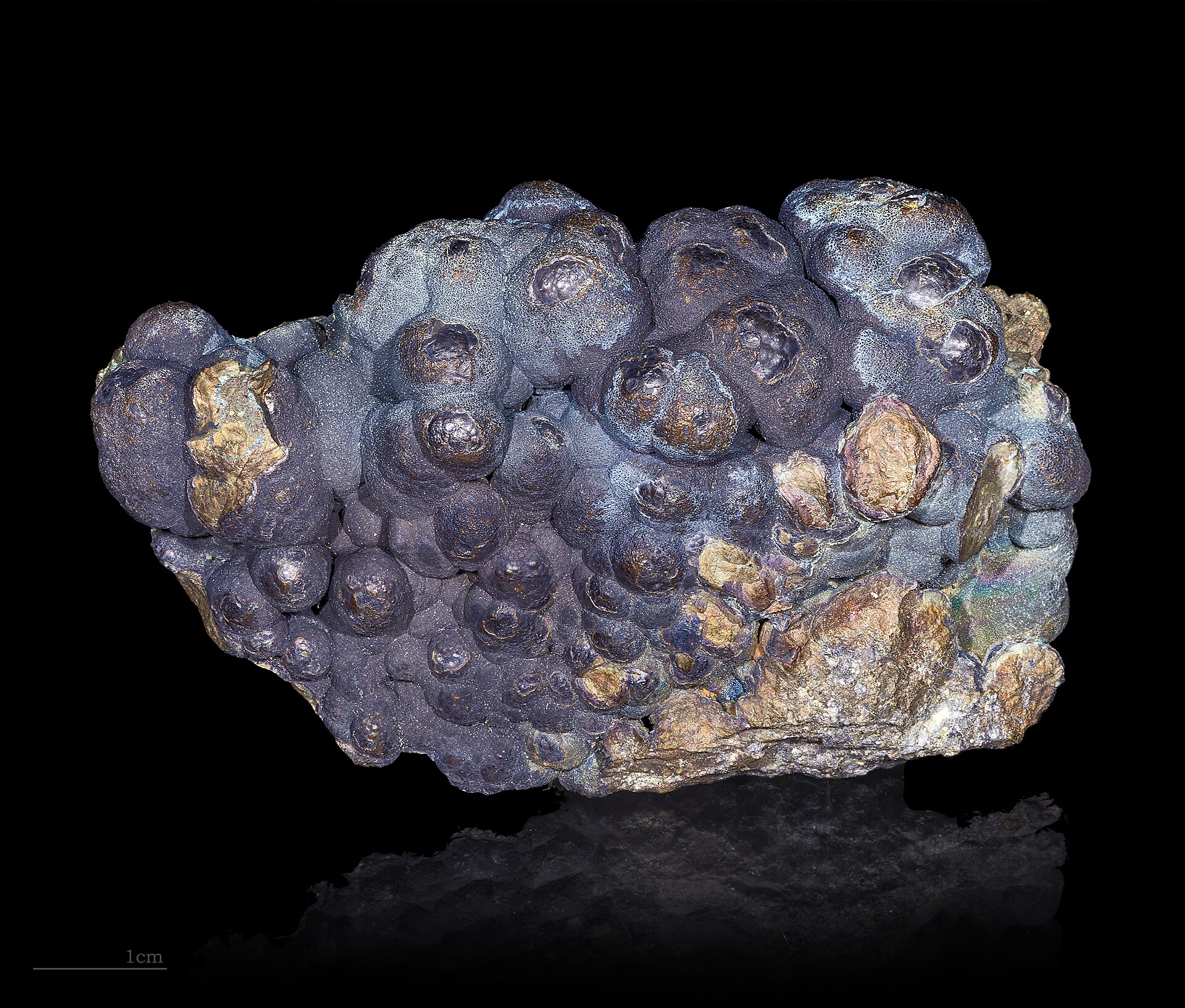
| Bornite | Much softer (3) with a purple-blue ‘peacock’ tarnish | Tarnish & hardness |
Where It’s Found
Notable localities for fine specimens:
Gallery
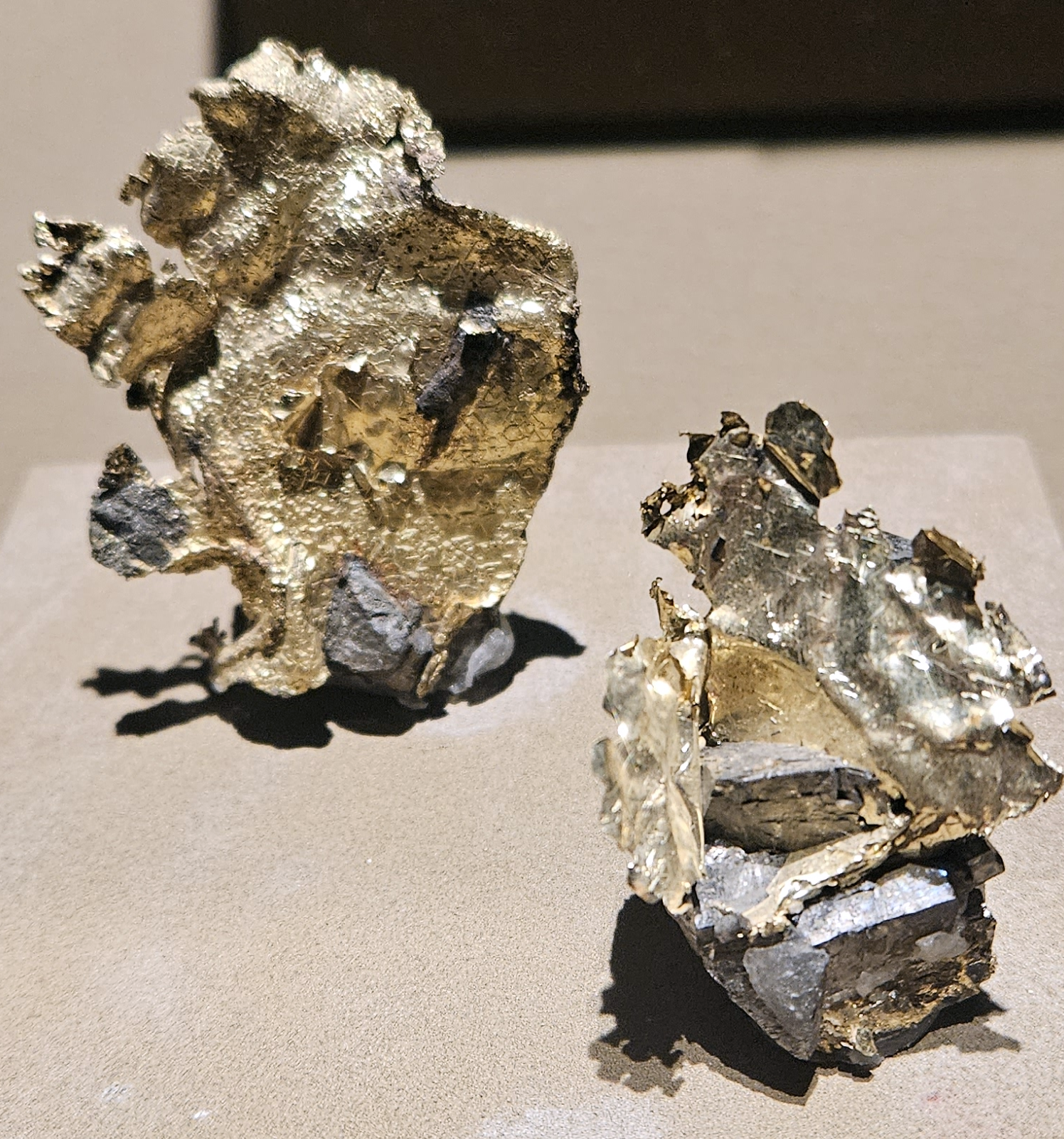
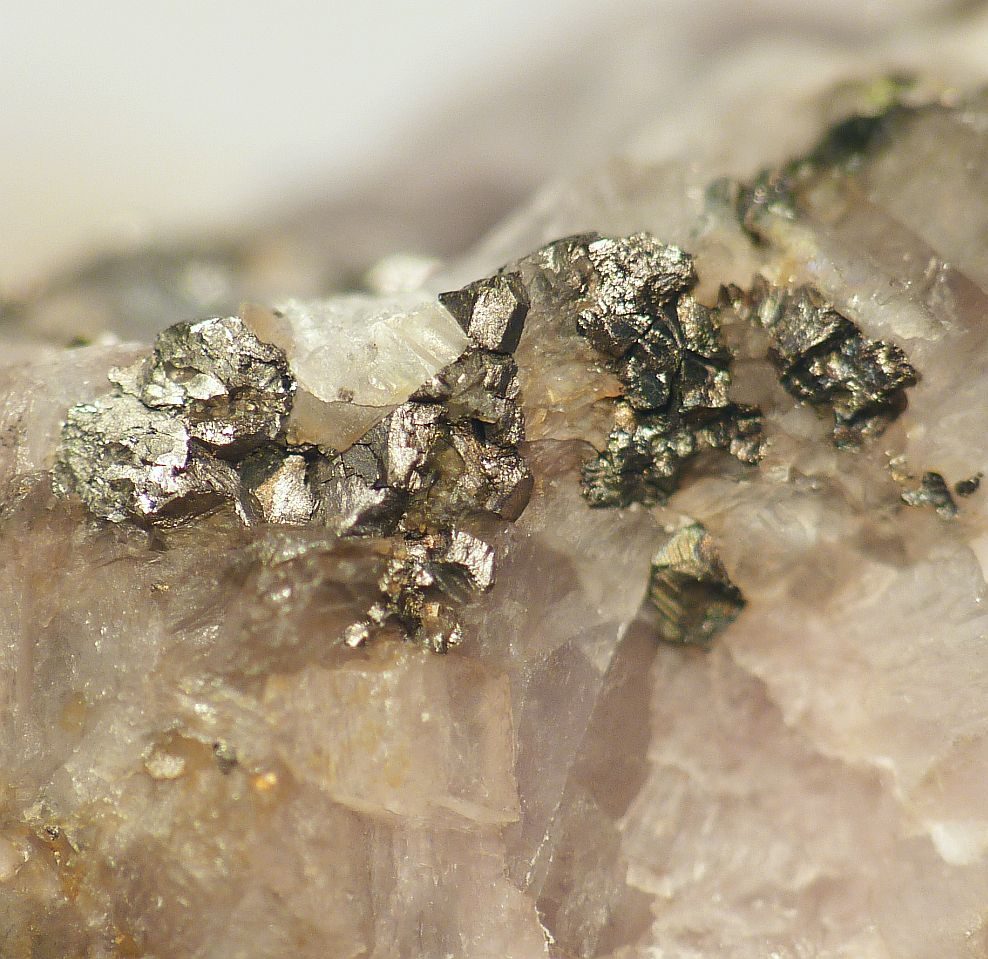
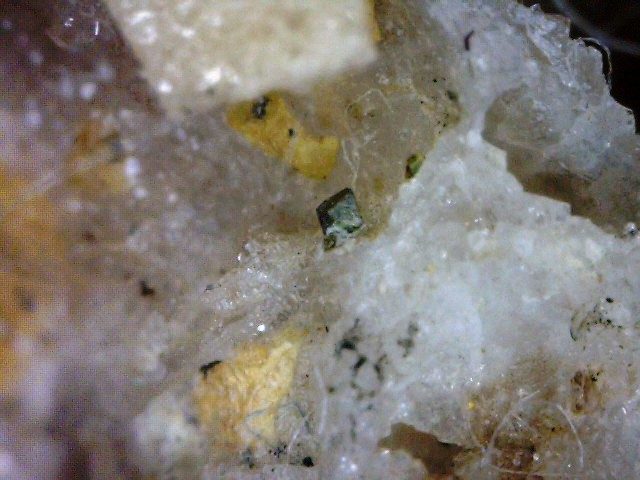
Photographs from Wikimedia Commons contributors — click a credit on the main image for the source and license.
Related Minerals
Others in the same family and minerals it commonly grows alongside.
References & Further Reading
- Dana’s New Mineralogy, 8th ed. Disulfides, pyrite group.
- Mindat.org — Pyrite mineral data and locality records.
- Wikipedia — Pyrite.
Last reviewed 2026-09-14 · How to cite this page.