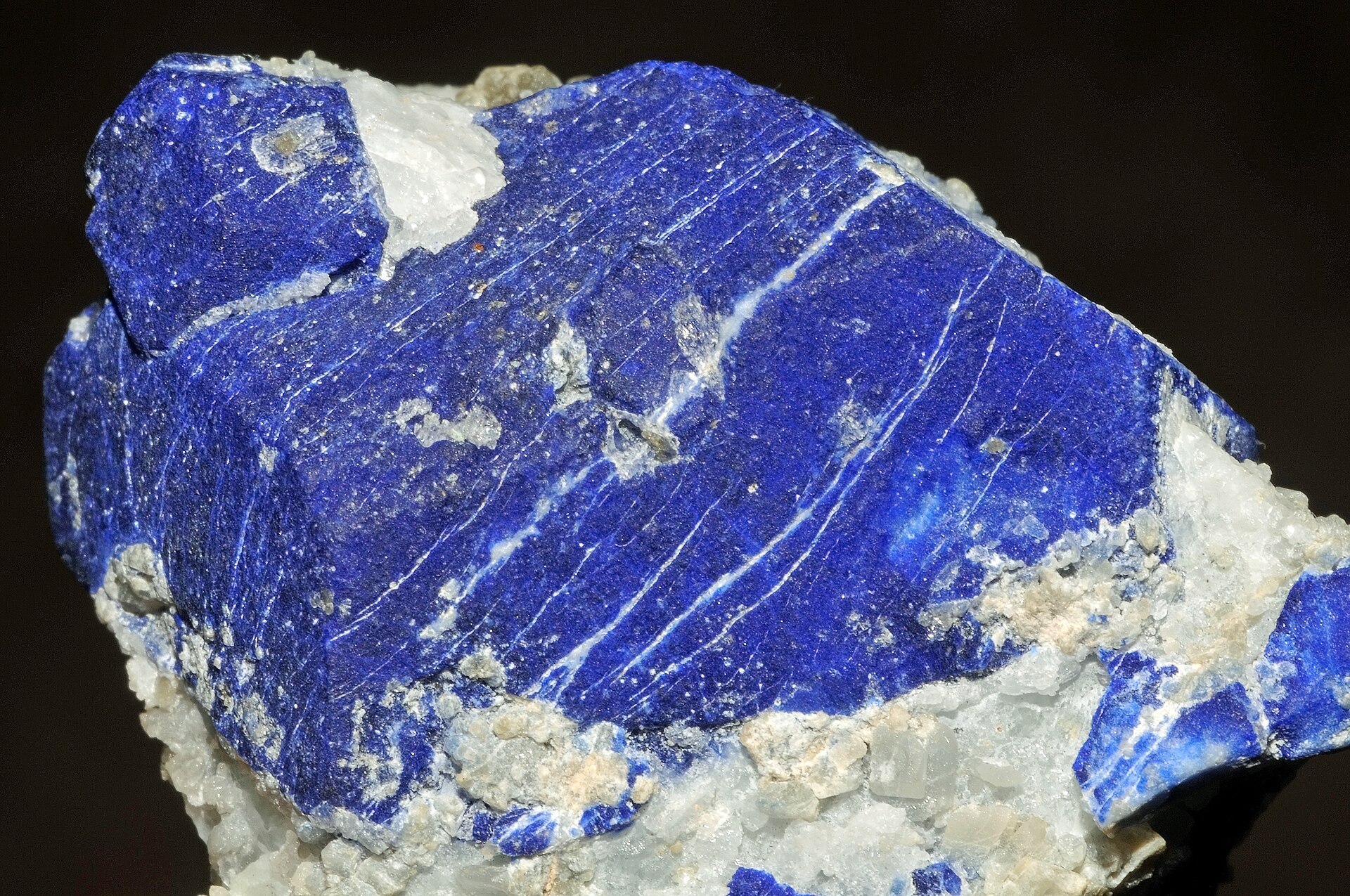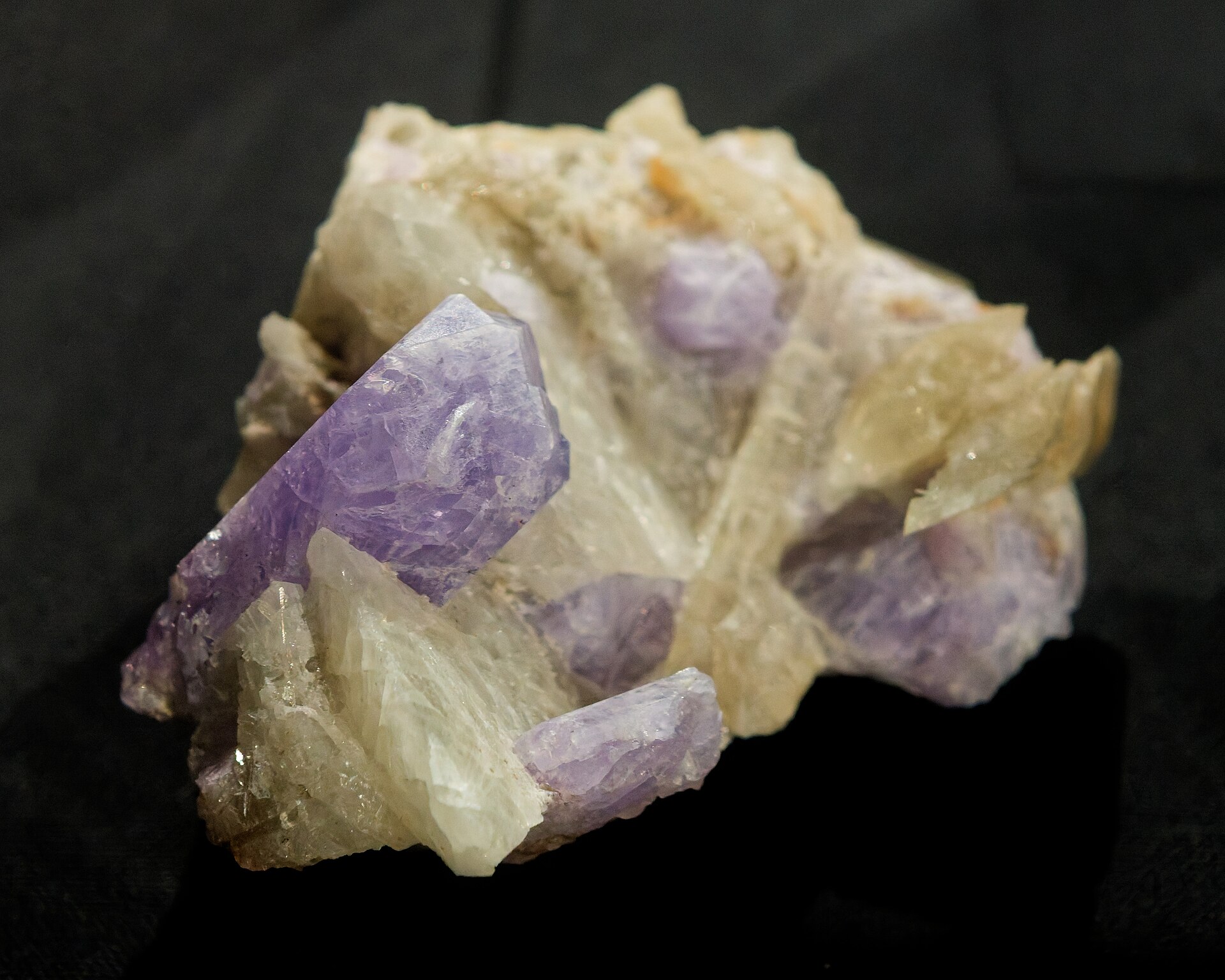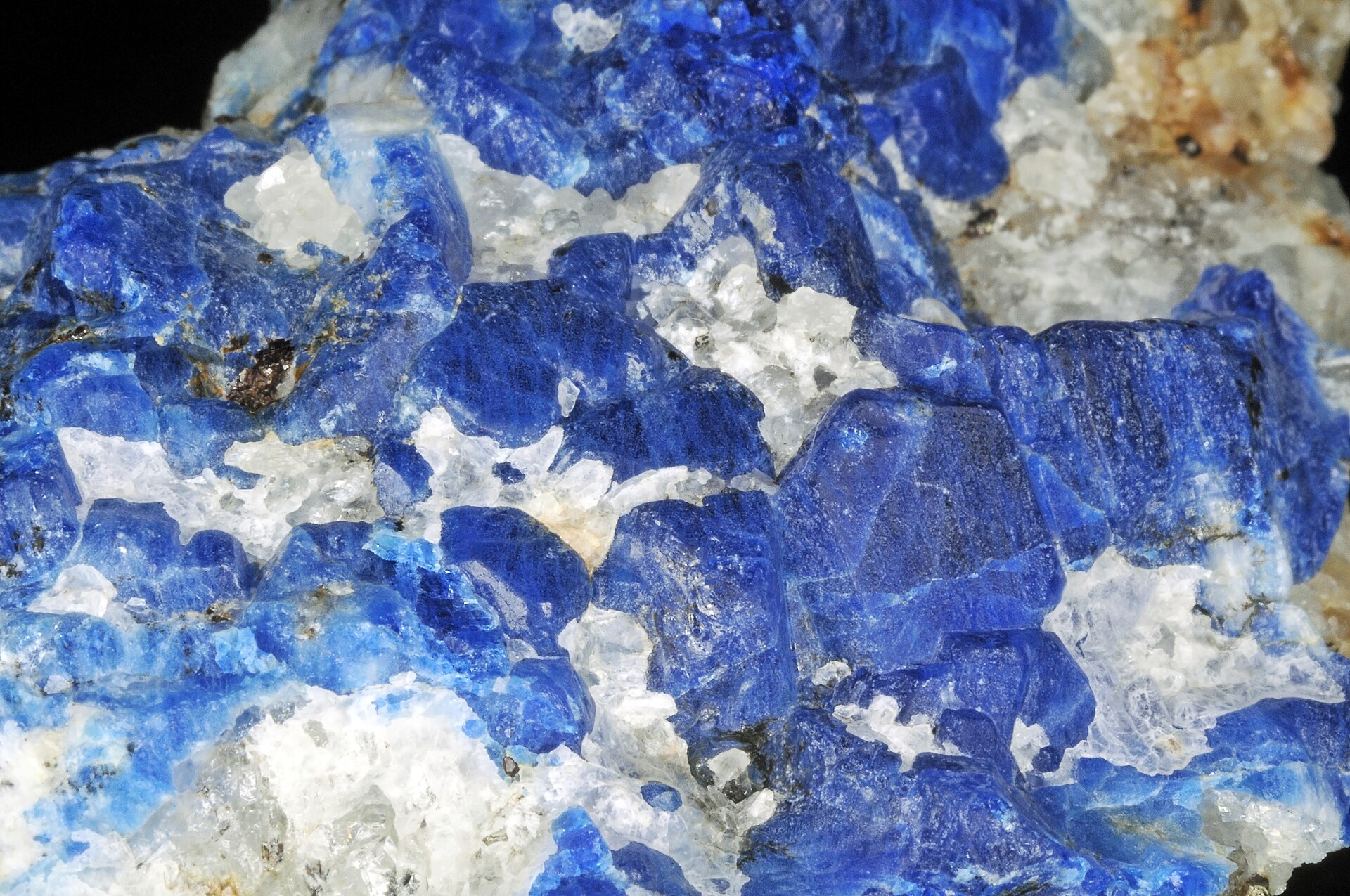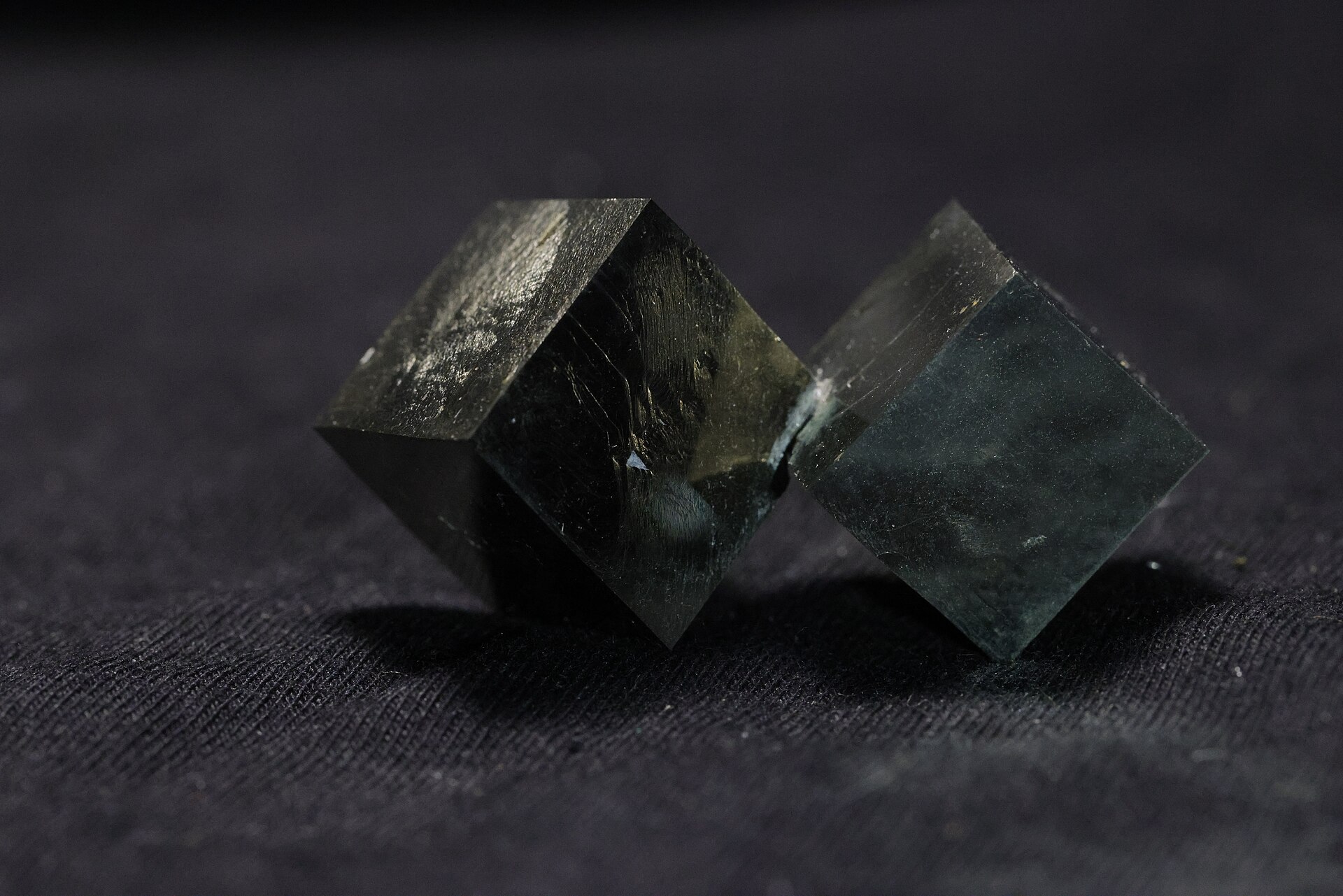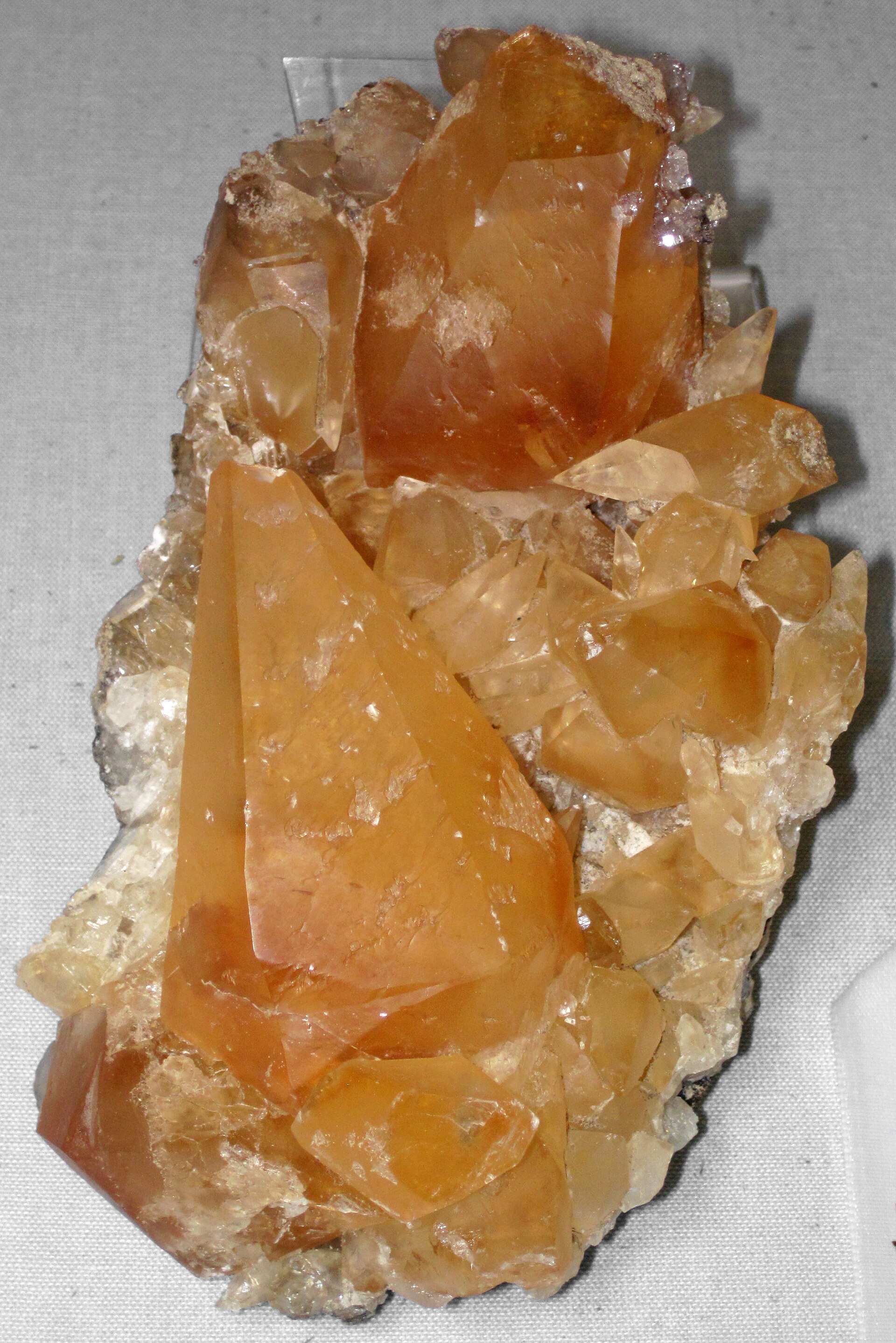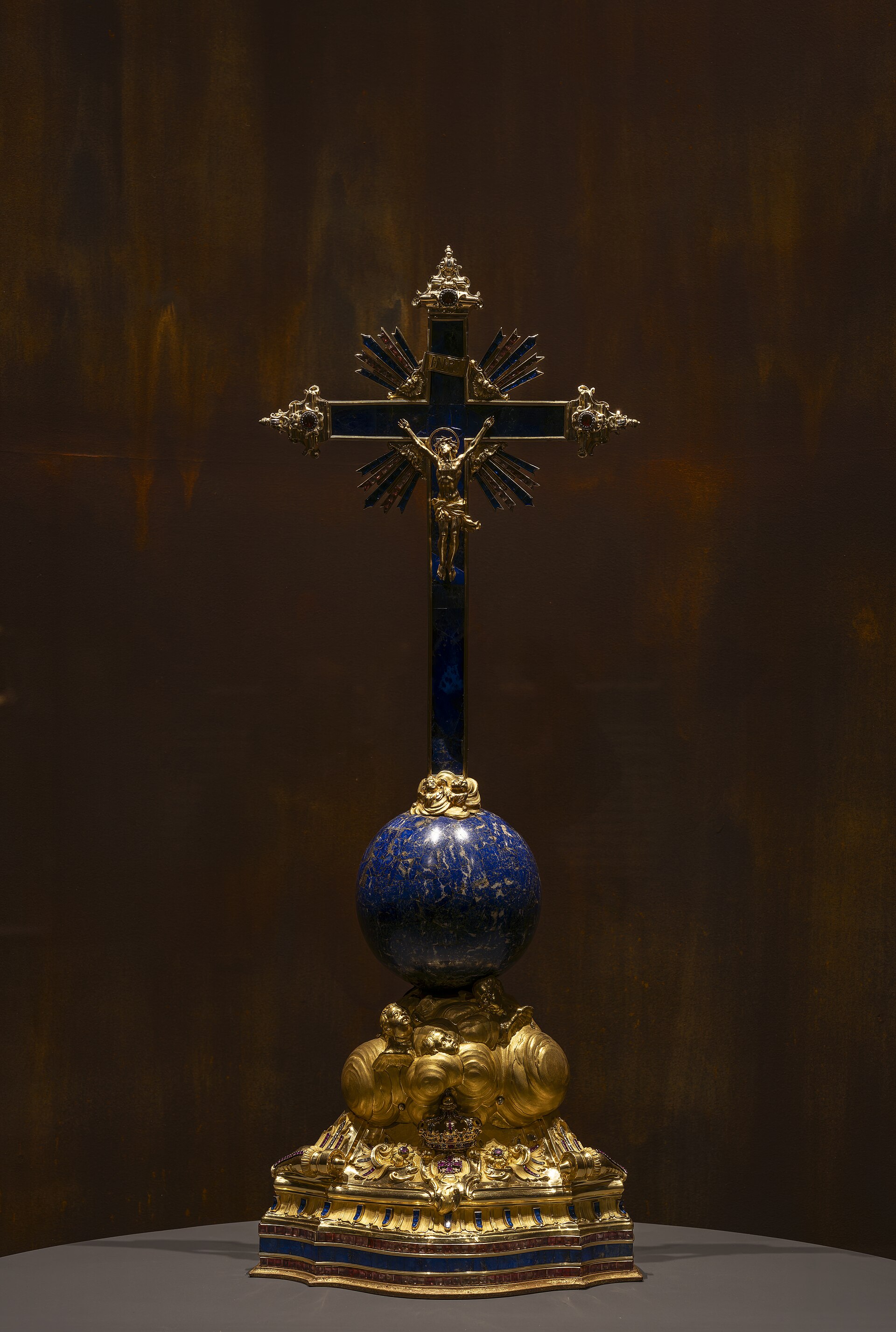
Lapis Lazuli — Photo: Jules Verne Times Two · CC BY-SA 4.0
What is Lapis Lazuli?
Lapis lazuli is not a mineral but a rock — lazurite for the royal blue, pyrite for the gold stars, calcite for the white veins. One mine in Afghanistan's Badakhshan has supplied it for seven millennia: Tutankhamun's mask, the Sumerian lyres of Ur, and the ultramarine of every Renaissance Madonna all trace to Sar-e-Sang.
Ultramarine — 'beyond the sea' — was literally worth more than gold until synthetic ultramarine appeared in 1828.
Physical Properties
The full data table is in the panel alongside. Here’s what those numbers actually mean.
Composition. Lazurite (the blue), pyrite (the gold), calcite (the white) — proportions set the grade.
Grading. The finest is uniform violet-blue with sparse pyrite; heavy calcite lowers value.
Fakes. Dyed howlite ('Swiss lapis'), synthetic spinel, and reconstructed powder imitations abound.
What It’s Used For
How to Identify It
| Looks like… | But differs because… | Quick test |
|---|---|---|
| Sodalite | A mineral not a rock — lacks pyrite flecks and calcite veins | Texture |
| Azurite | A carbonate mineral — fizzes, crystalline habit | Acid |
Where It’s Found
Notable localities for fine specimens:
Gallery
Photographs from Wikimedia Commons contributors — click a credit on the main image for the source and license.
Related Minerals
Others in the same family and minerals it commonly grows alongside.