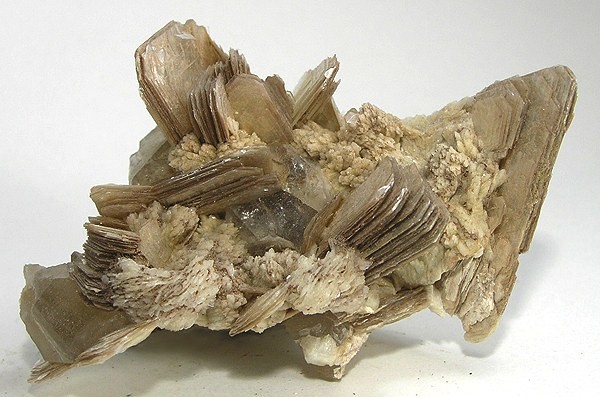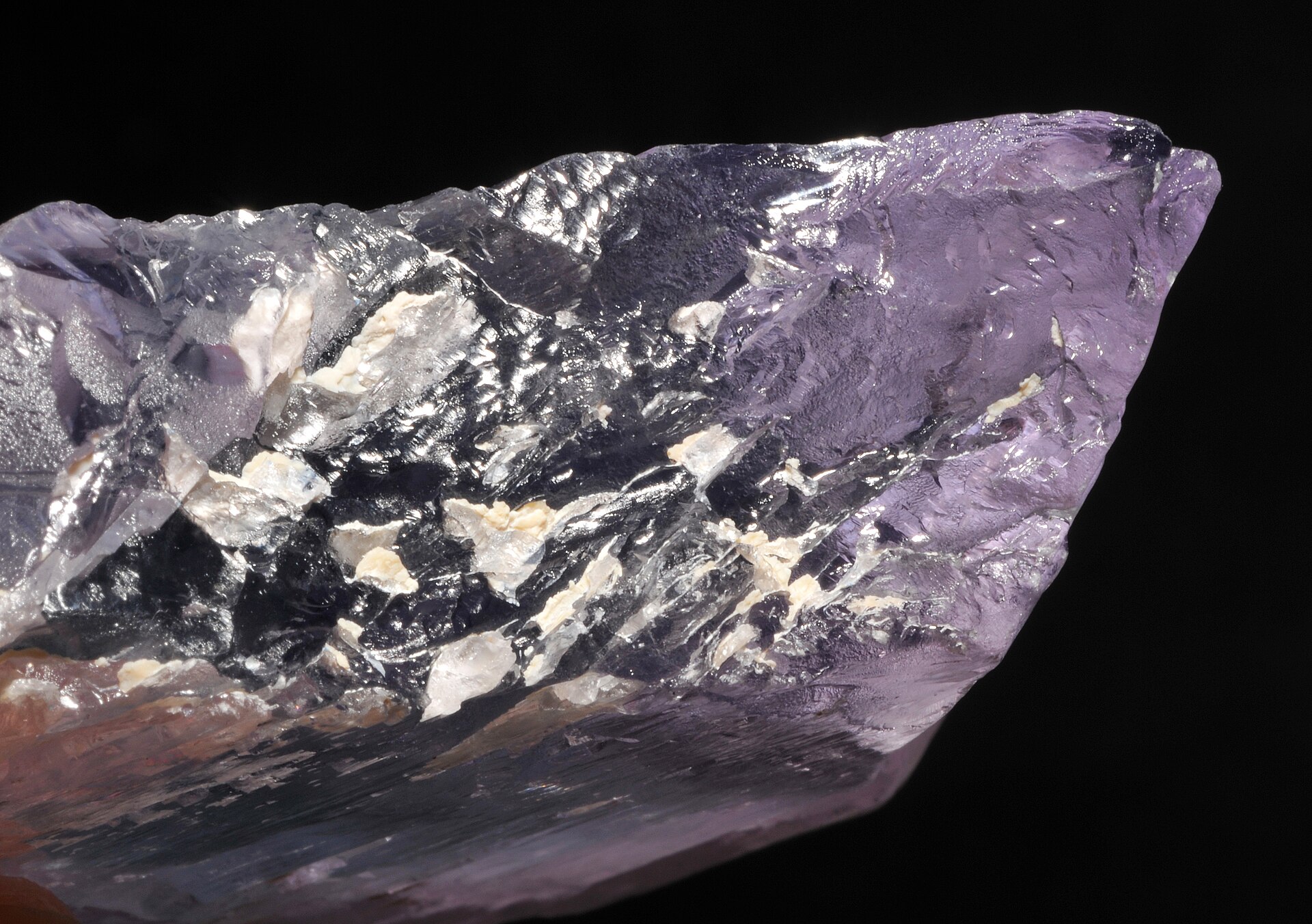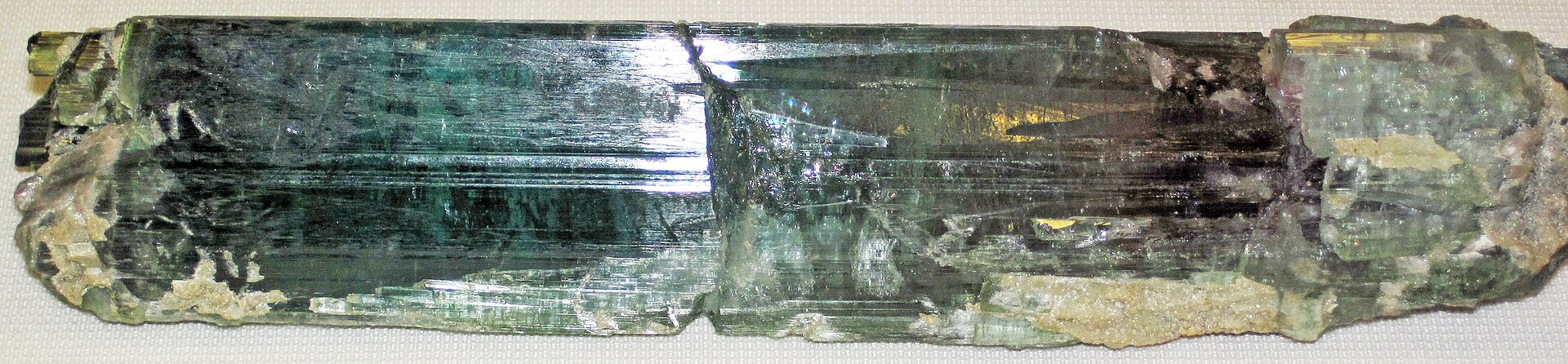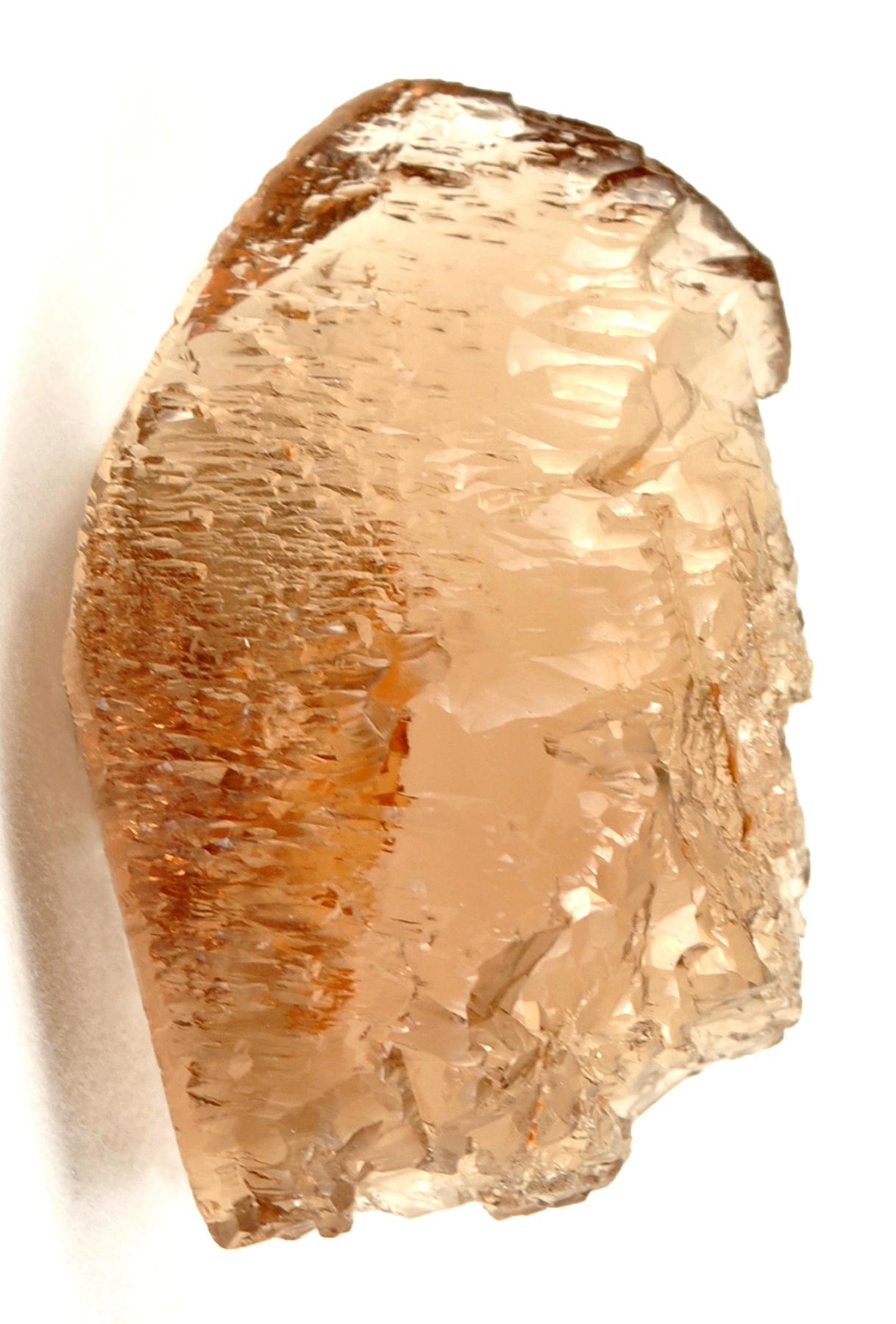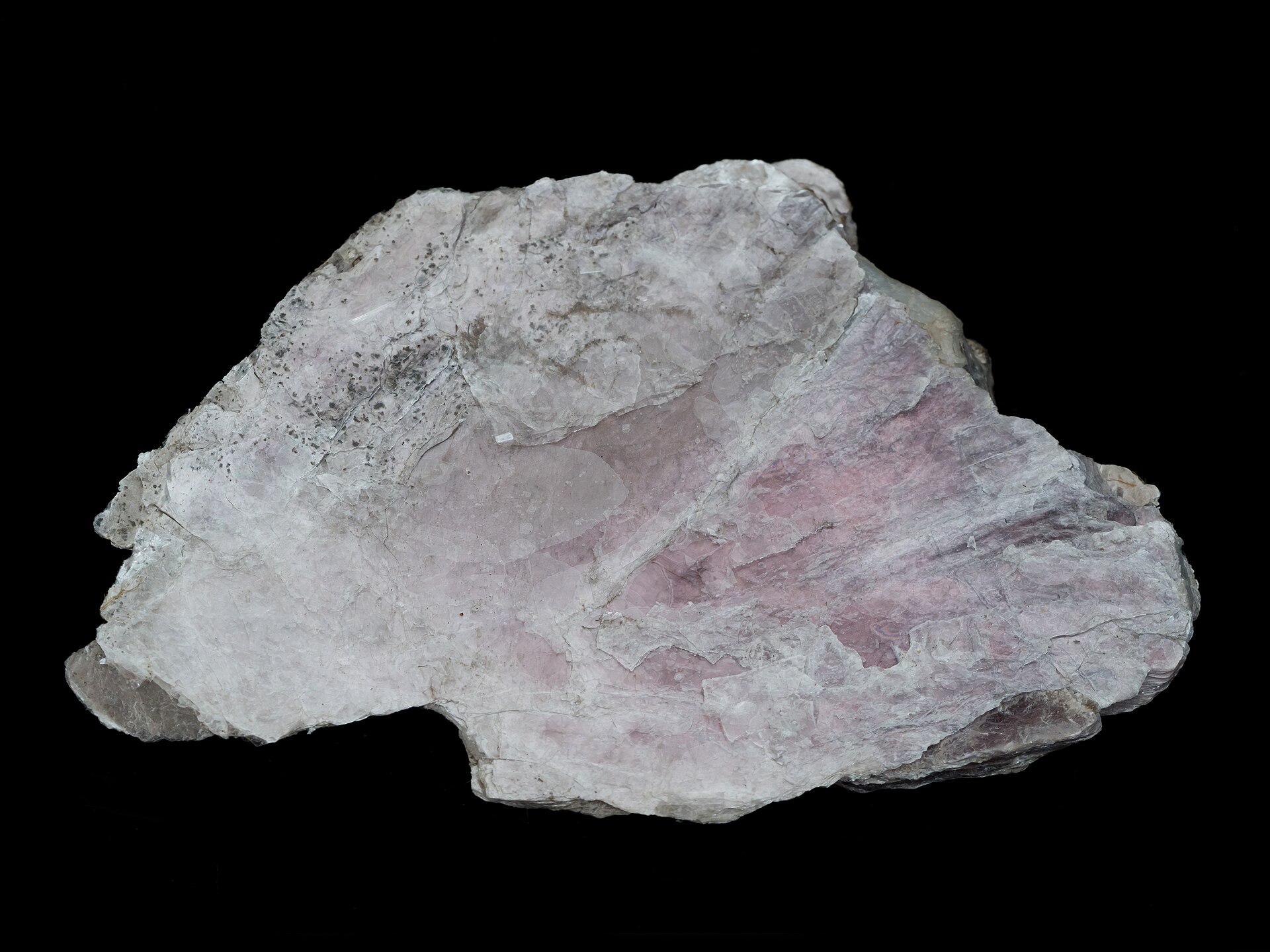
Lepidolite — Photo: Zbynek Burival · CC BY-SA 4.0
What is Lepidolite?
Lepidolite is the lithium mica — K(Li,Al)₃(Si,Al)₄O₁₀(F,OH)₂ — recognizable instantly by its lilac-to-rose scales in lithium pegmatites. It peels into flexible sheets like all micas but carries the battery metal in its lattice.
Before lithium brines, lepidolite was a major lithium source — it supplied the lithium in early atomic research and in the first lithium drugs.
Physical Properties
The full data table is in the panel alongside. Here’s what those numbers actually mean.
Color. The lilac-pink comes from Mn³⁺ — the lithium itself is invisible.
Series. Lepidolite grades into trilithionite (polylithionite) as Li content varies.
Occurrence. Only in evolved granitic pegmatites with other lithium minerals.
What It’s Used For
How to Identify It
| Looks like… | But differs because… | Quick test |
|---|---|---|
| Muscovite | Silvery-white — lacks the lilac lithium color | Color |
| Phlogopite | Brown-bronze mica | Color |
Where It’s Found
Notable localities for fine specimens:
Gallery
Photographs from Wikimedia Commons contributors — click a credit on the main image for the source and license.
Related Minerals
Others in the same family and minerals it commonly grows alongside.