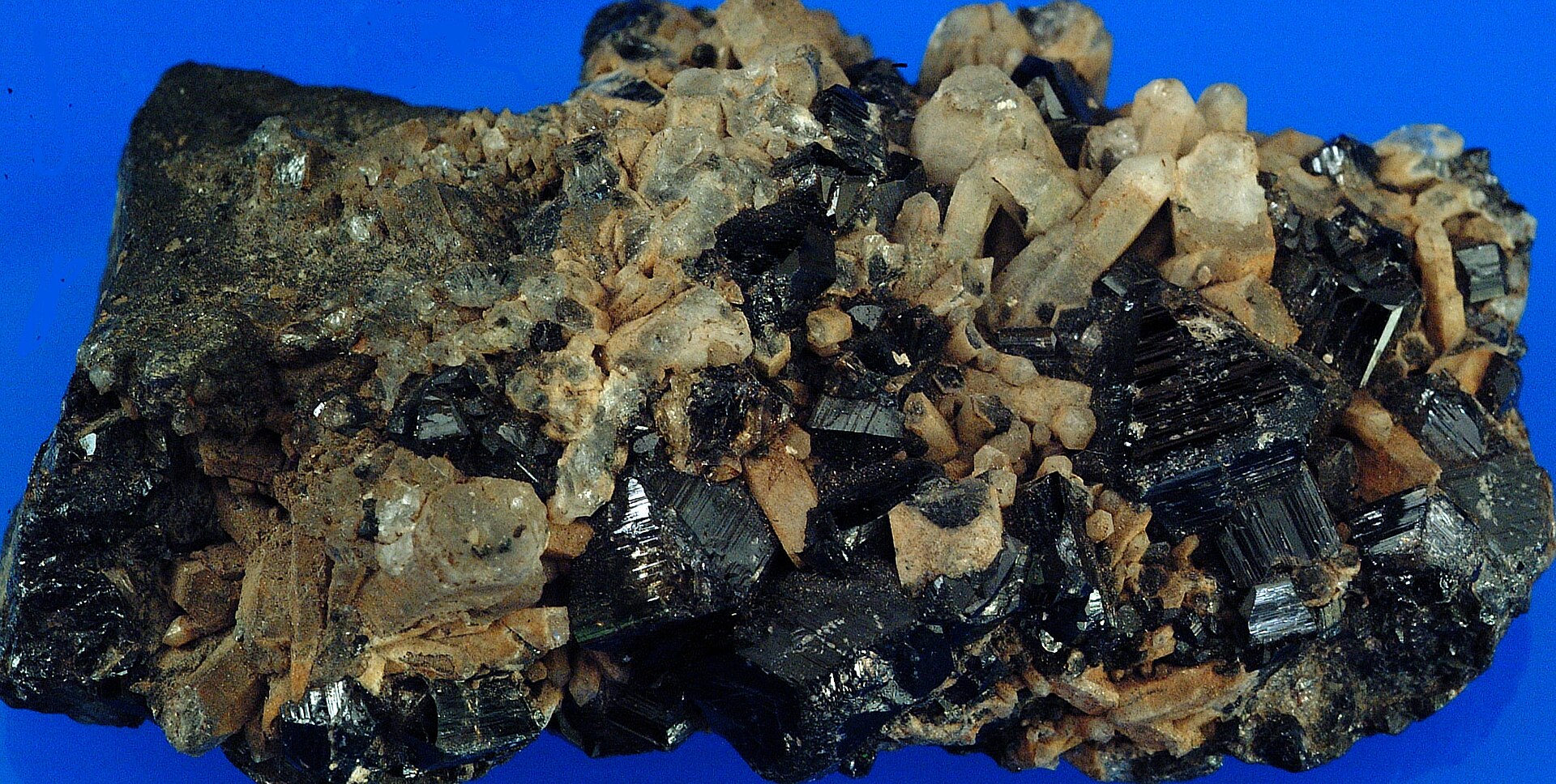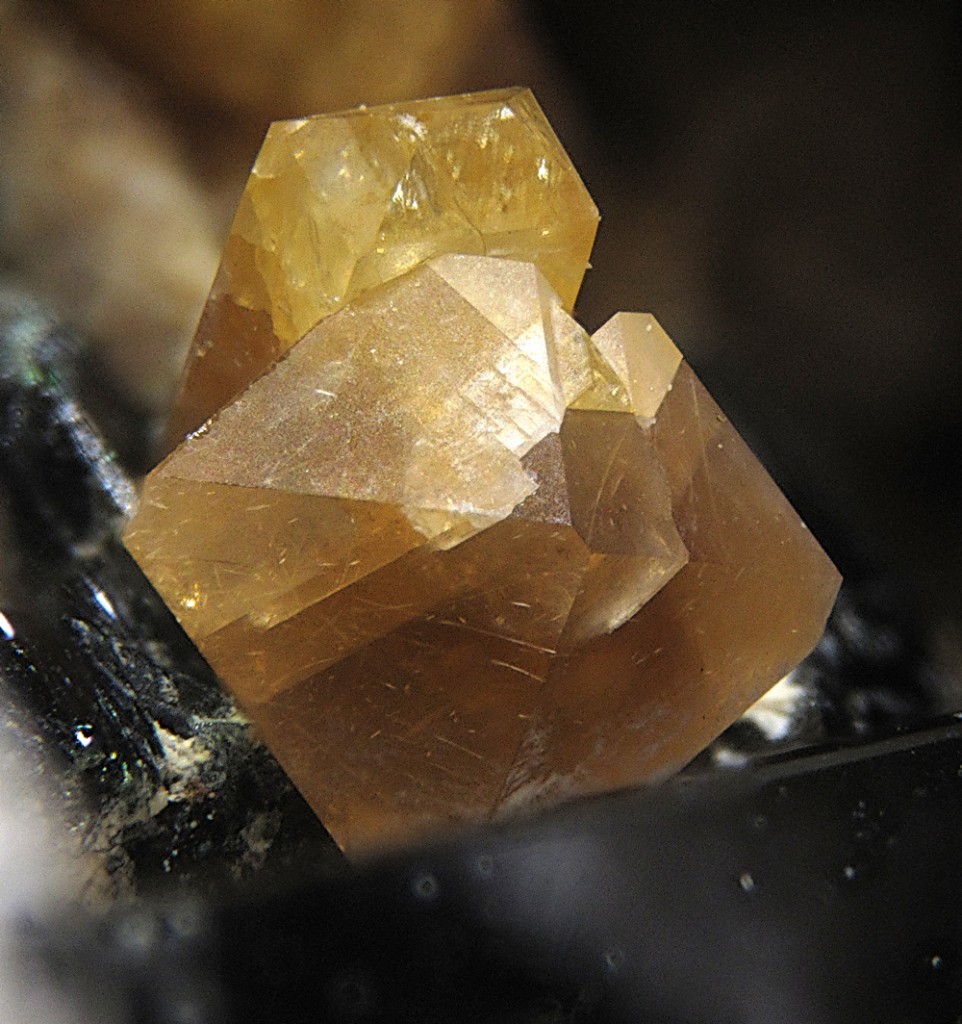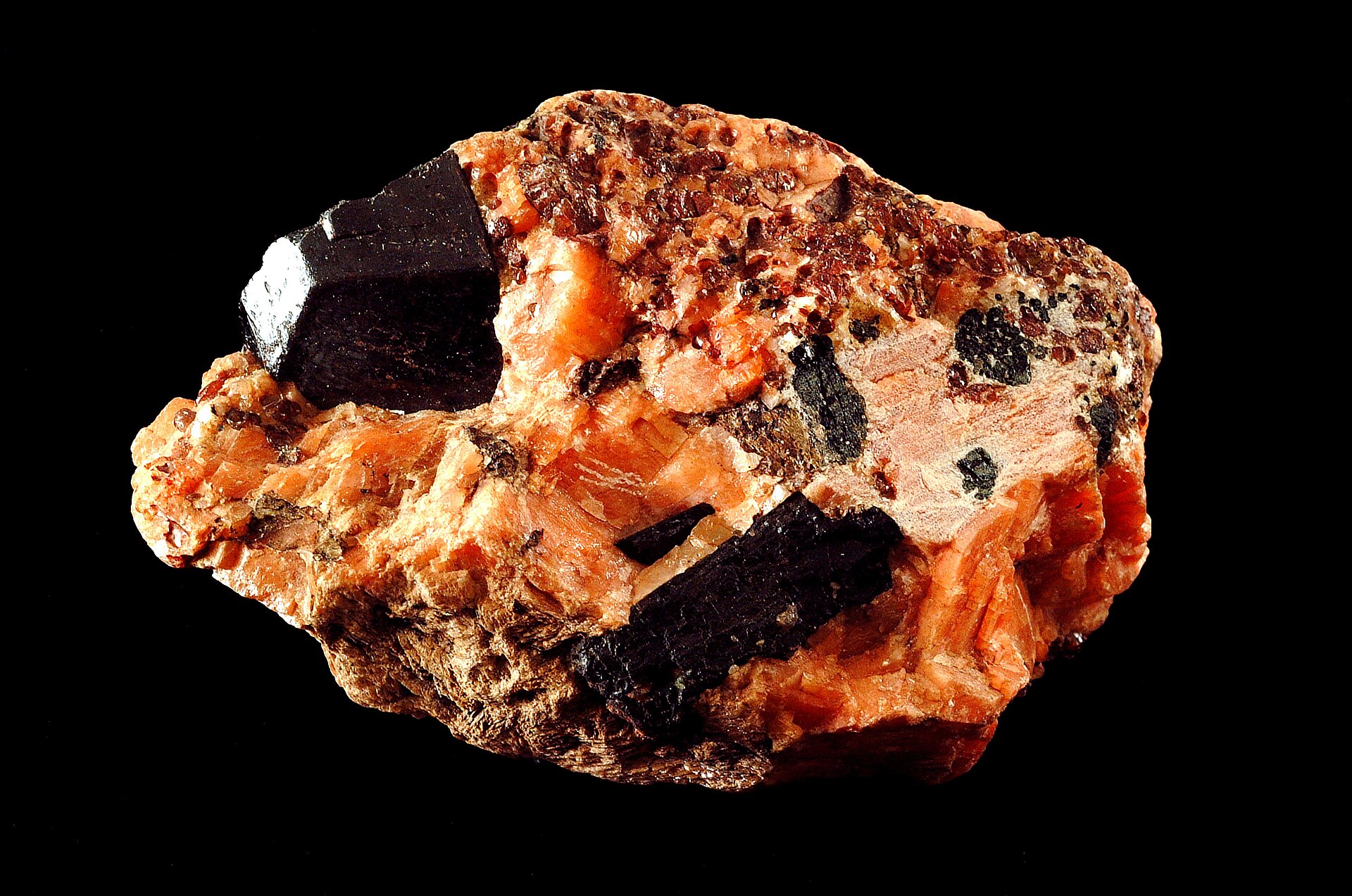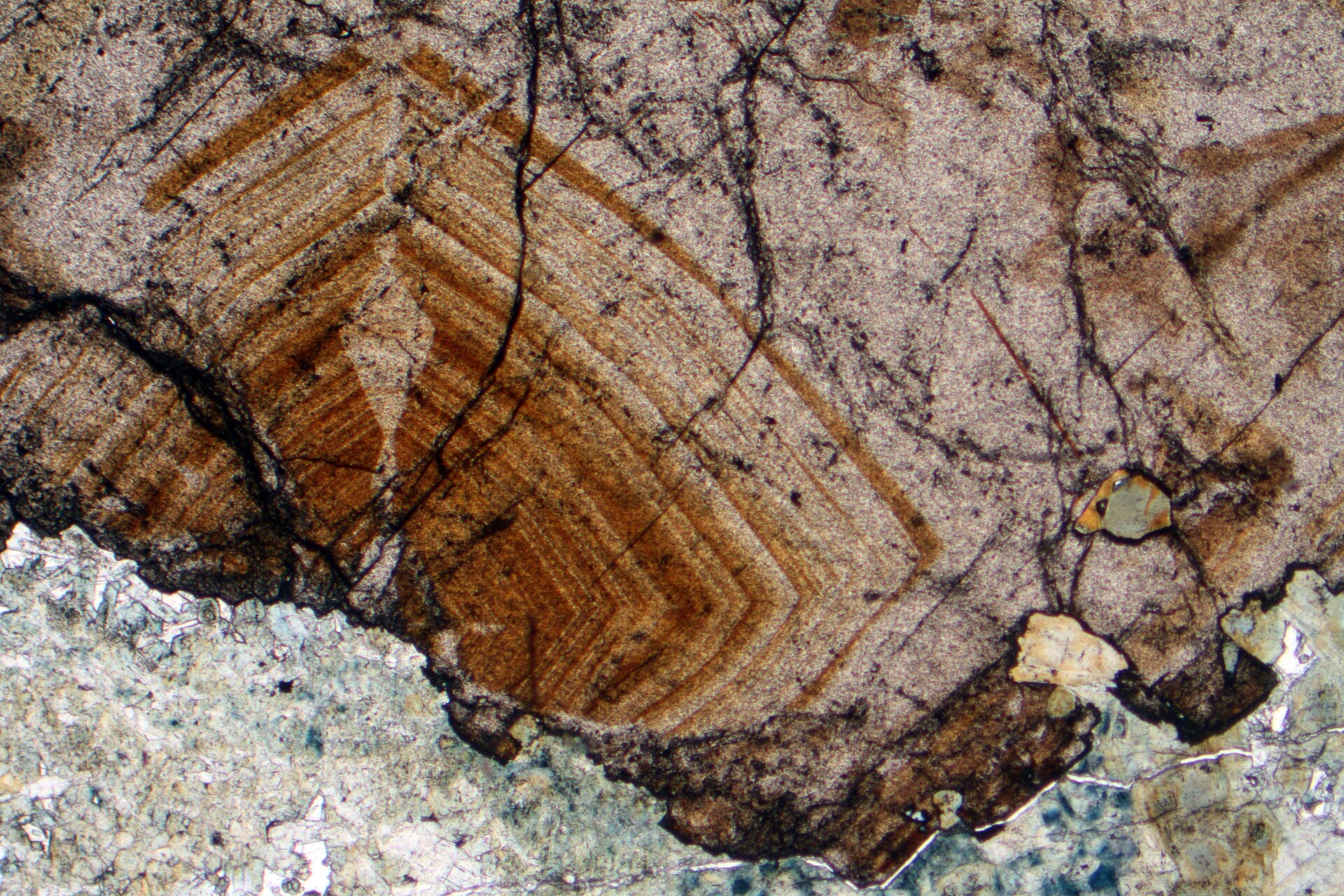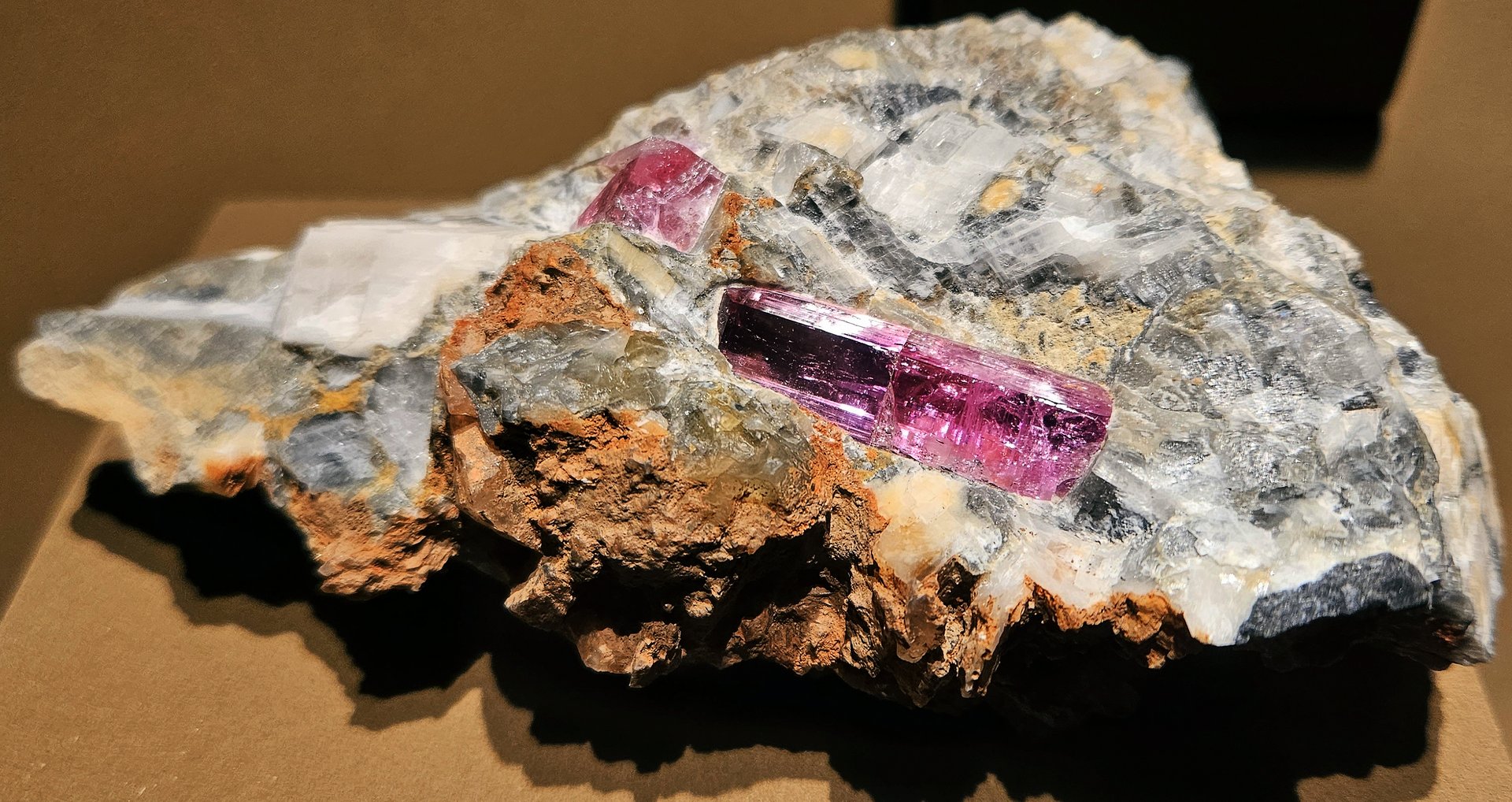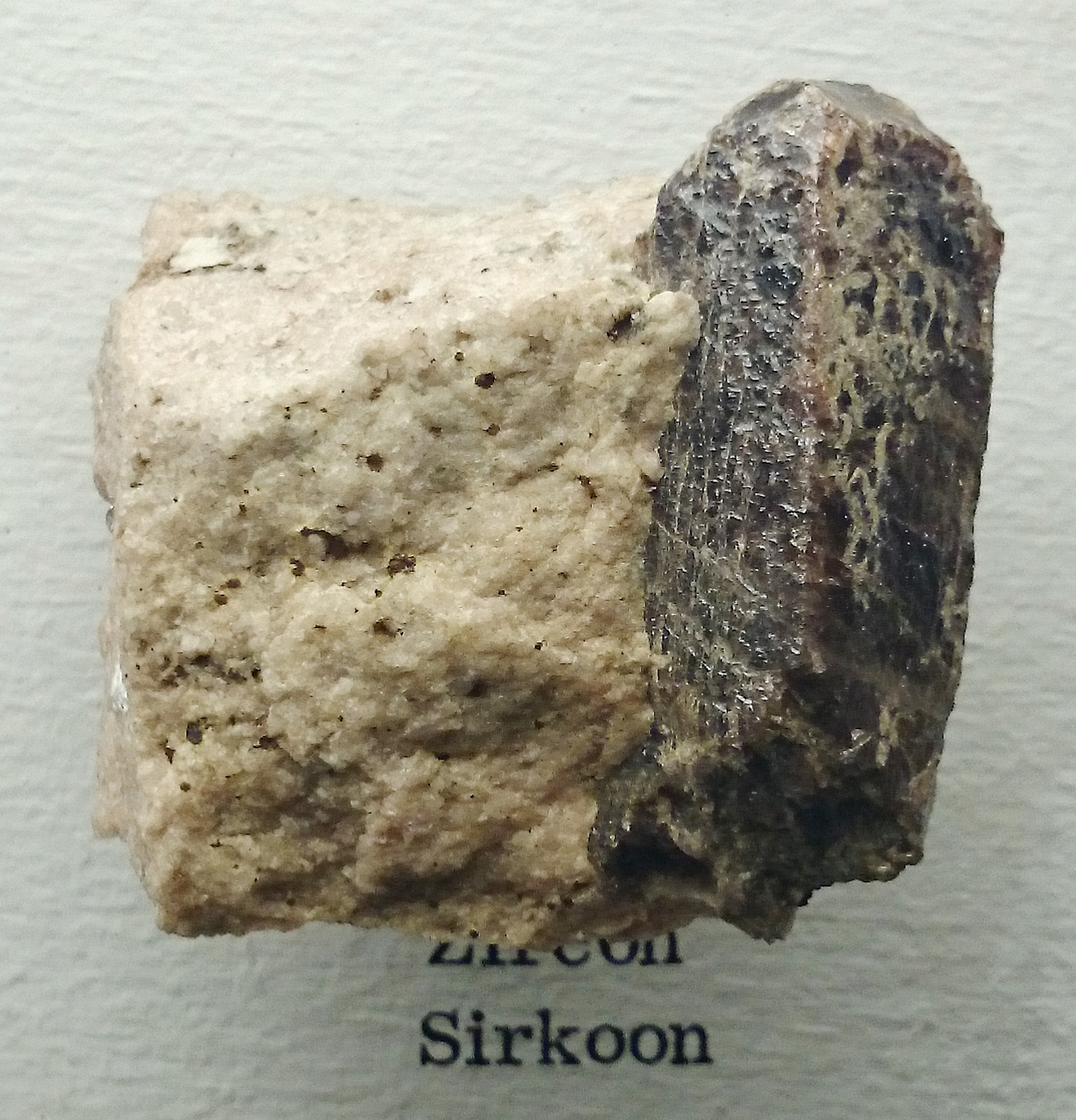
Zircon — Photo: Nkansah Rexford · CC BY 3.0
What is Zircon?
Zircon is zirconium silicate — ZrSiO₄ — and it owns two very different reputations. To gem dealers it is a high-dispersion stone once sold as a diamond substitute. To geologists it is the most important mineral on Earth: zircon survives everything, locks uranium-lead ages inside, and the oldest dated grains — 4.4 billion years — are the oldest objects ever found on this planet.
Trace uranium and thorium inside zircon slowly wreck its own lattice (metamictization); gem-grade 'high' zircon keeps its structure, while metamict 'low' zircon loses density and luster.
Physical Properties
The full data table is in the panel alongside. Here’s what those numbers actually mean.
Geochronology. Zircon excludes lead when it grows but accepts uranium — the accumulated Pb/U ratio records its age.
Metamictization. Radiation damage lowers SG and RI from 'high' toward amorphous 'low' zircon.
Dispersion. 0.039 — enough fire to masquerade as diamond in old jewelry.
What It’s Used For
How to Identify It
| Looks like… | But differs because… | Quick test |
|---|---|---|
| Diamond | Much harder, octahedral habit, no tetragonal form | Hardness & habit |
| Topaz | Orthorhombic, perfect basal cleavage, lighter | Cleavage & density |
Where It’s Found
Notable localities for fine specimens:
Gallery
Photographs from Wikimedia Commons contributors — click a credit on the main image for the source and license.
Related Minerals
Others in the same family and minerals it commonly grows alongside.