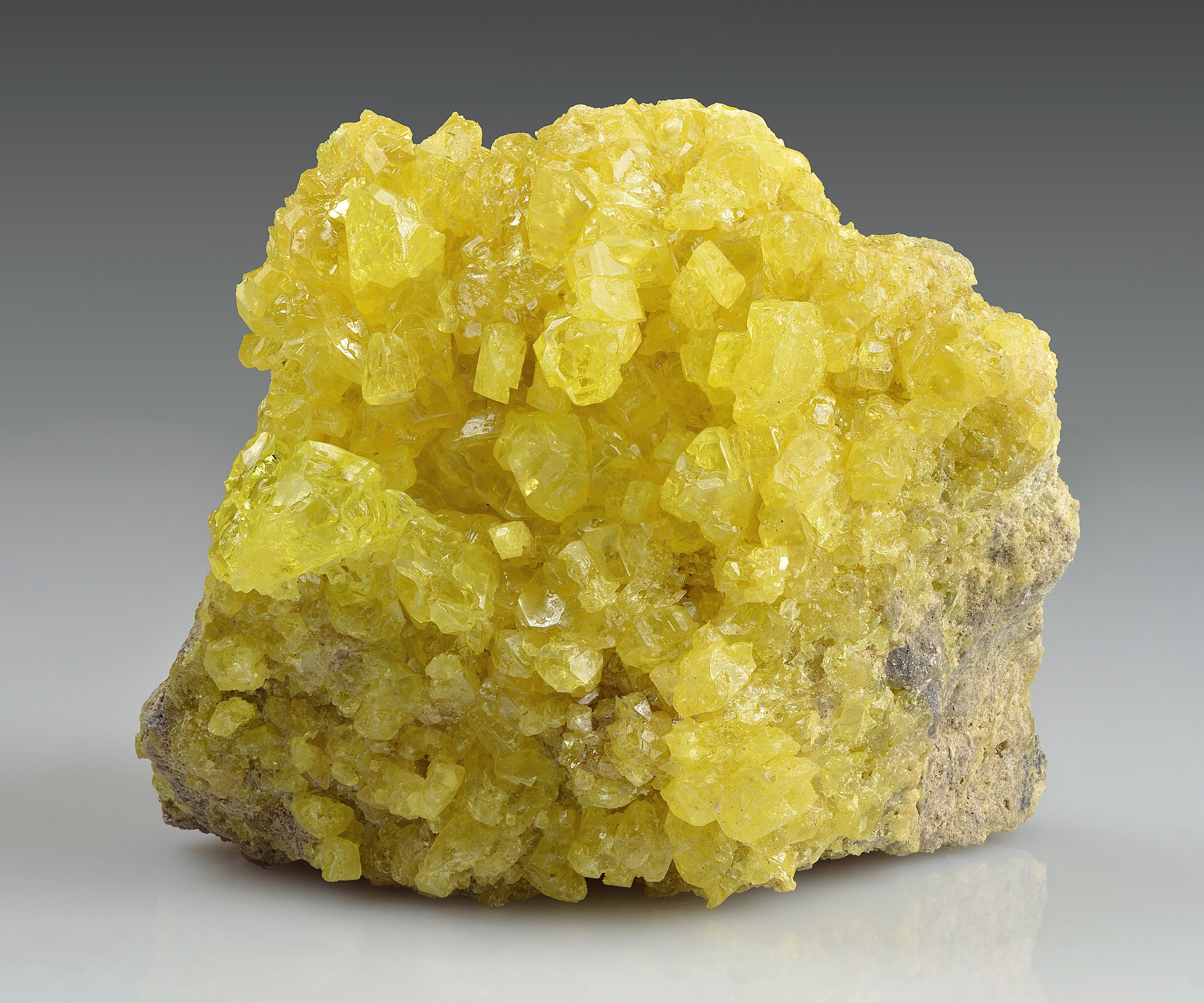
Bipyramidal sulphur crystals — the classic brimstone habit — Photo: Ivar Leidus · CC BY-SA 4.0
What is Sulphur?
Sulphur is a chemical element found in nature as a mineral — pure S, and one of the very few non-metals to occur natively. Its lemon-yellow crystals are unmistakable, and so is its résumé: this is brimstone, the ‘burning stone’ of the ancient world.
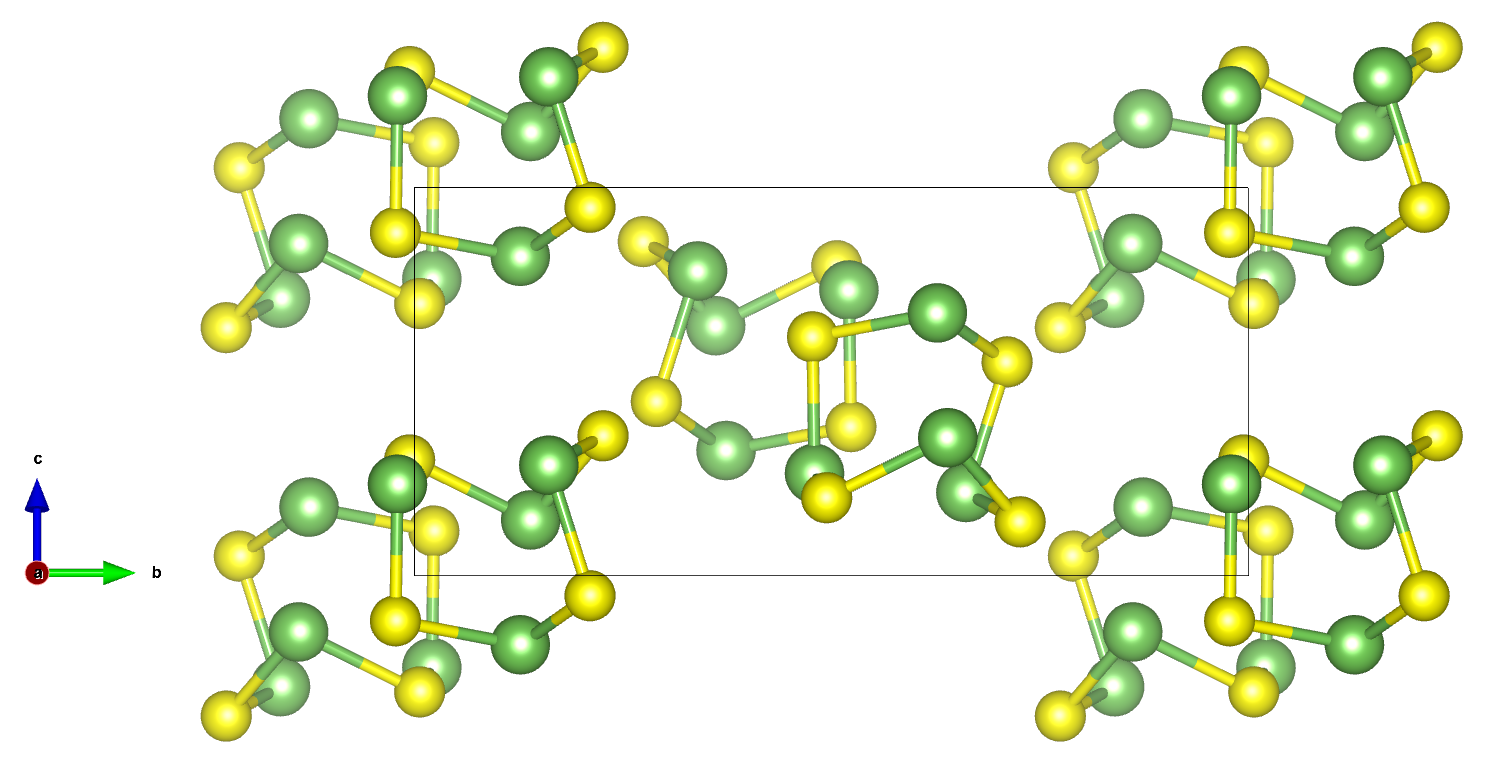
Sulfur’s atoms link into crown-shaped rings of eight. That ring is weak, and it shows in every property: sulfur is soft, light, brittle, and melts at about 113 °C — cooler than boiling water is at altitude. Heated a little past its melting point it catches fire and burns with a thin blue flame, releasing the sharp, choking gas sulfur dioxide — the smell behind ‘fire and brimstone’ and, unfairly, rotten eggs (that’s actually hydrogen sulfide).
You’ll find it wherever sulfur-rich gases or waters reach the surface: crusting volcanic vents, lining hot springs, and filling the caprock of salt domes. Warm a specimen in your hand and it faintly crackles — sulfur expands with heat faster than it can conduct the warmth away.
Physical Properties
The full data table is in the panel alongside. Here’s what those numbers actually mean.
Color and luster. The yellow is the thing — a slightly waxy, resinous shine on anything from canary-yellow crystals to dull crusts. Impurities push it toward orange or brownish.
Softness and fragility. At hardness 1.5–2.5 it is scratched by a fingernail, and it’s brittle — sulfur specimens are among the most fragile in any collection.
Heat sensitivity. Sulfur is a thermal insulator that expands a lot when warmed, so a cool crystal brought to a warm hand crackles as its surface strains. Melt it and it turns amber, then thickens into a dark, rubbery liquid; light it and it burns blue.
Solubility. Sulfur shrugs off water and most acids — which is part of why it survives at oxidizing mine dumps and fumaroles where its sulfide cousins rot away.
How & Where It Forms
Sulfur crystallizes where the element is freed from other compounds. At volcanoes, sulfur-bearing gases (SO₂ and H₂S) react at fumarole vents and deposit the element directly — the origin of the encrusting yellow ‘flowers of sulfur’.
Underground, bacteria do similar chemistry: in the caprock of salt domes and in evaporite beds, microbes convert gypsum and anhydrite into calcite plus native sulfur — ore mined by melting it out with superheated water (the Frasch process). Sulfur also weathers out of sulfide ore bodies, which is why it crusts the walls of old mines.
Often grows alongside:
What It’s Used For
How to Identify It
Sulfur is bright yellow, soft, light and resinous — scratchable with a fingernail and far lighter than any yellow metal ore. It crackles in a warm hand and, on a pinhead tested outdoors, melts then burns blue with a sulfurous smell. Orpiment is flakier and smells of garlic; carnotite is powdery, never crystalline.
| Looks like… | But differs because… | Quick test |
|---|---|---|
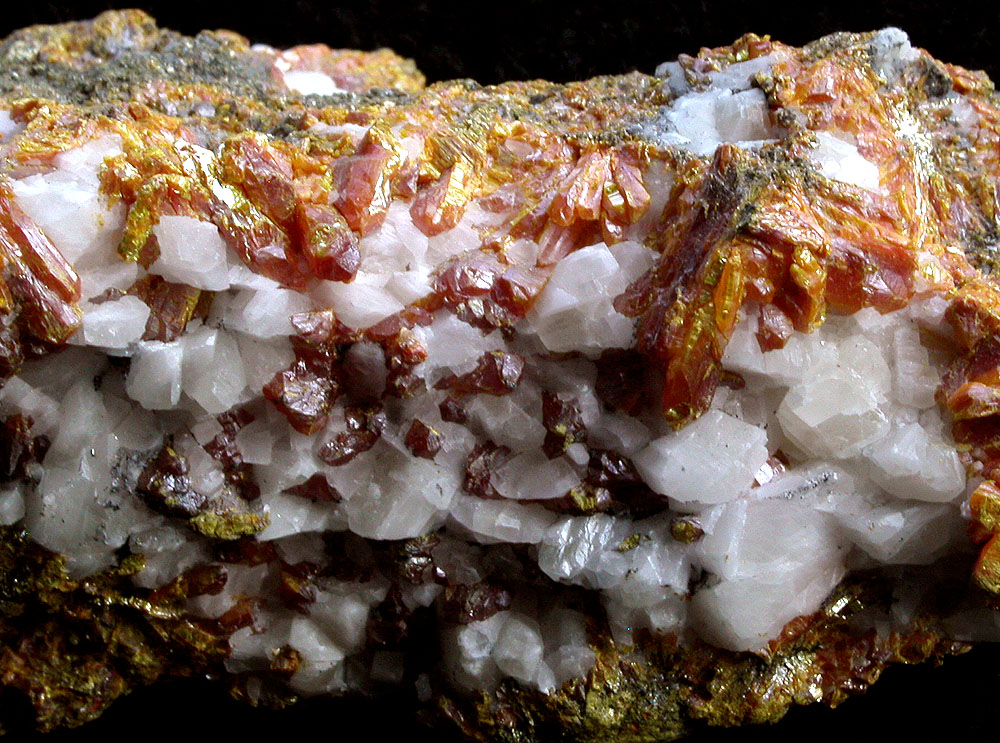
| Orpiment | Also yellow, but flaky and micaceous rather than resinous, and smells of garlic when crushed; streak is a paler yellow | Streak & smell |
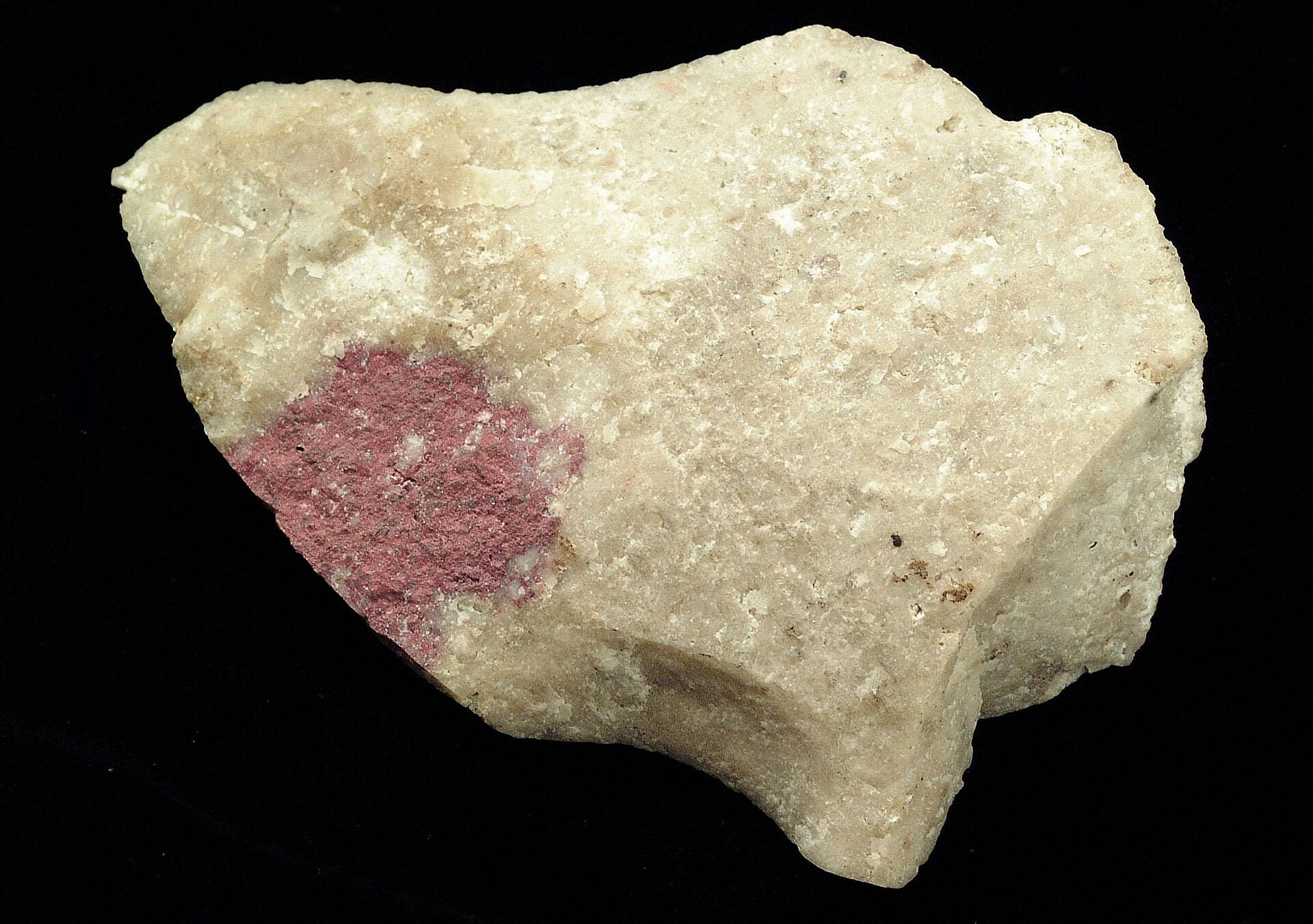
| Carnotite | Bright yellow but always a powdery, earthy crust — never crystalline, never resinous | Luster & habit |
| Limonite | Yellow-brown earthy coatings with a yellow-brown streak; no resinous shine and won’t melt | Streak |
Where It’s Found
Notable localities for fine specimens:
Gallery
Photographs from Wikimedia Commons contributors — click a credit on the main image for the source and license.
Related Minerals
Others in the same family and minerals it commonly grows alongside.

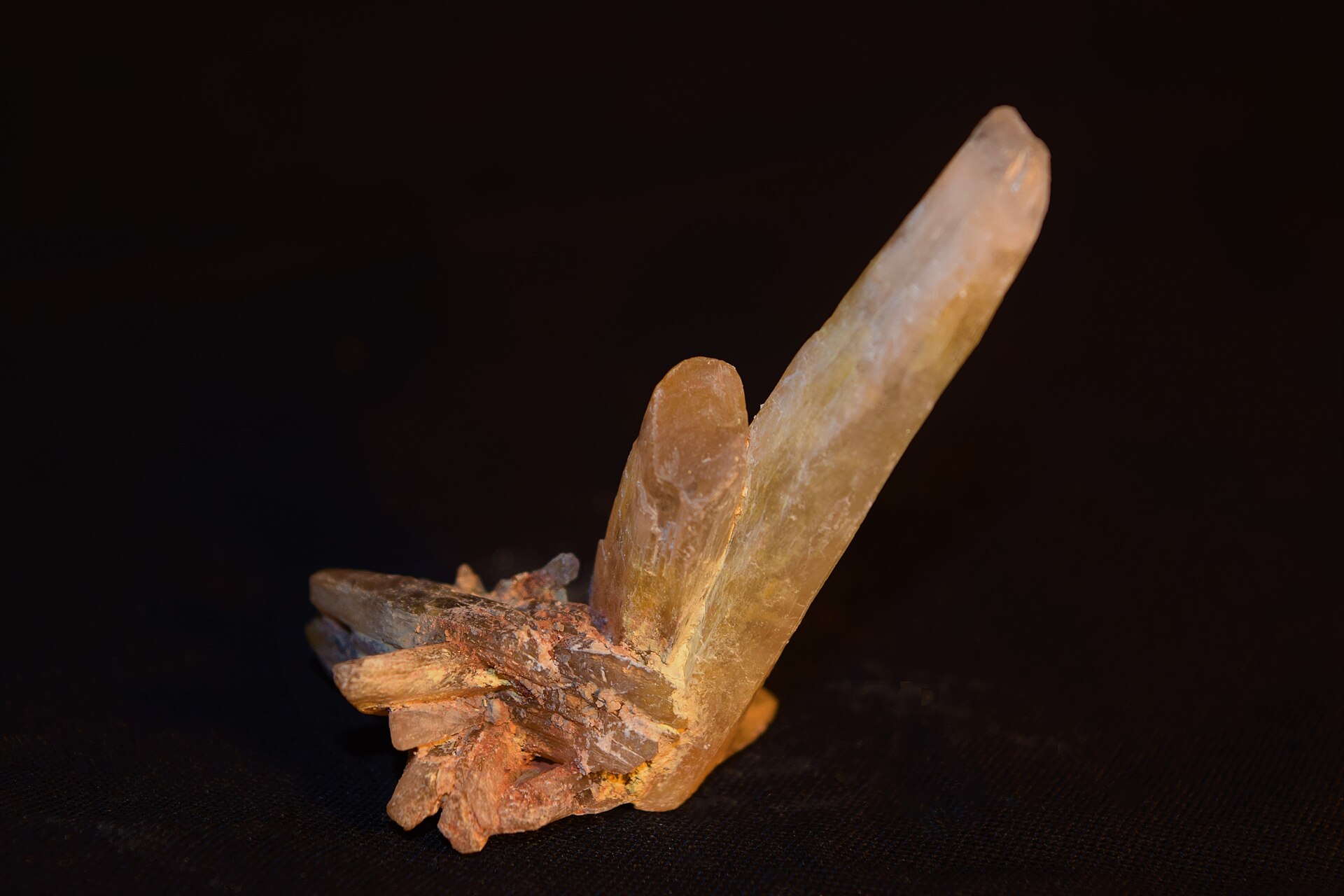
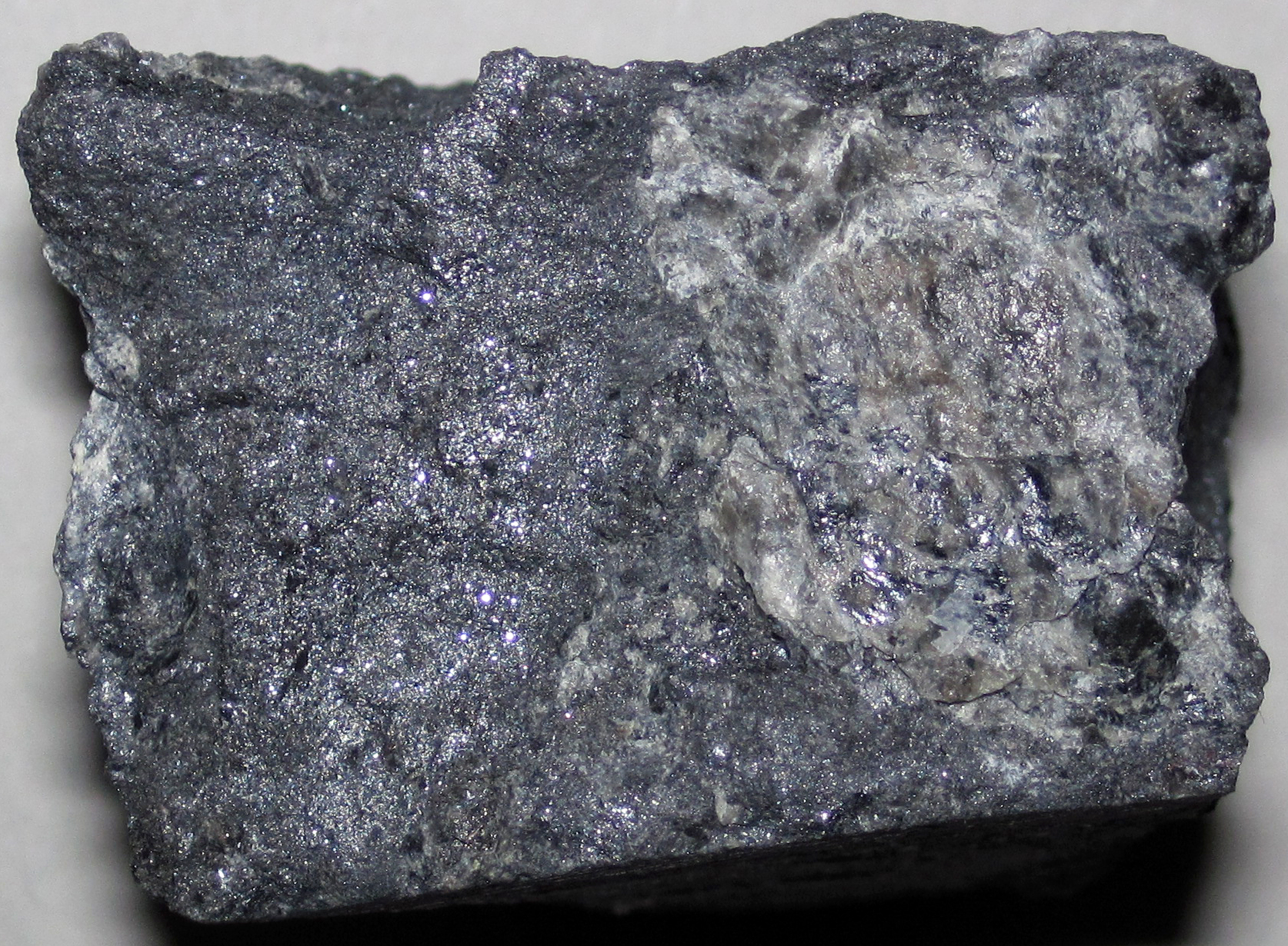
References & Further Reading
- Dana’s New Mineralogy, 8th ed. Native elements — sulfur group.
- Mindat.org — Sulphur mineral data and locality records.
- Wikipedia — Sulfur.
Last reviewed 2026-09-14 · How to cite this page.