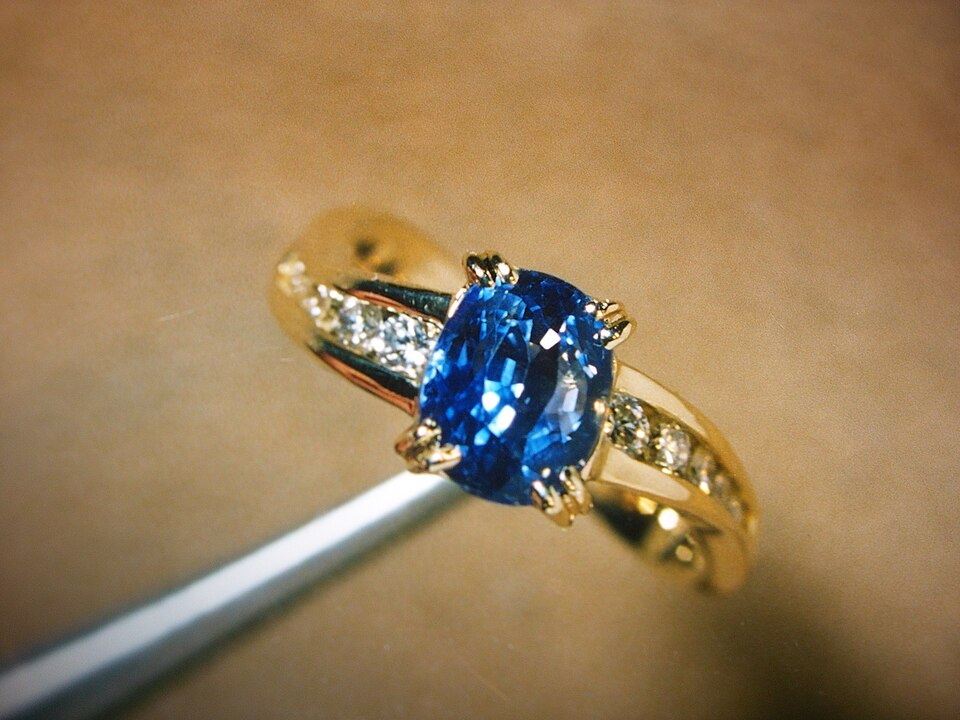
Blue sapphire crystal — corundum colored by iron–titanium charge transfer — Photo: Deerstop · CC Attribution 2.0 Generic
What is Sapphire?
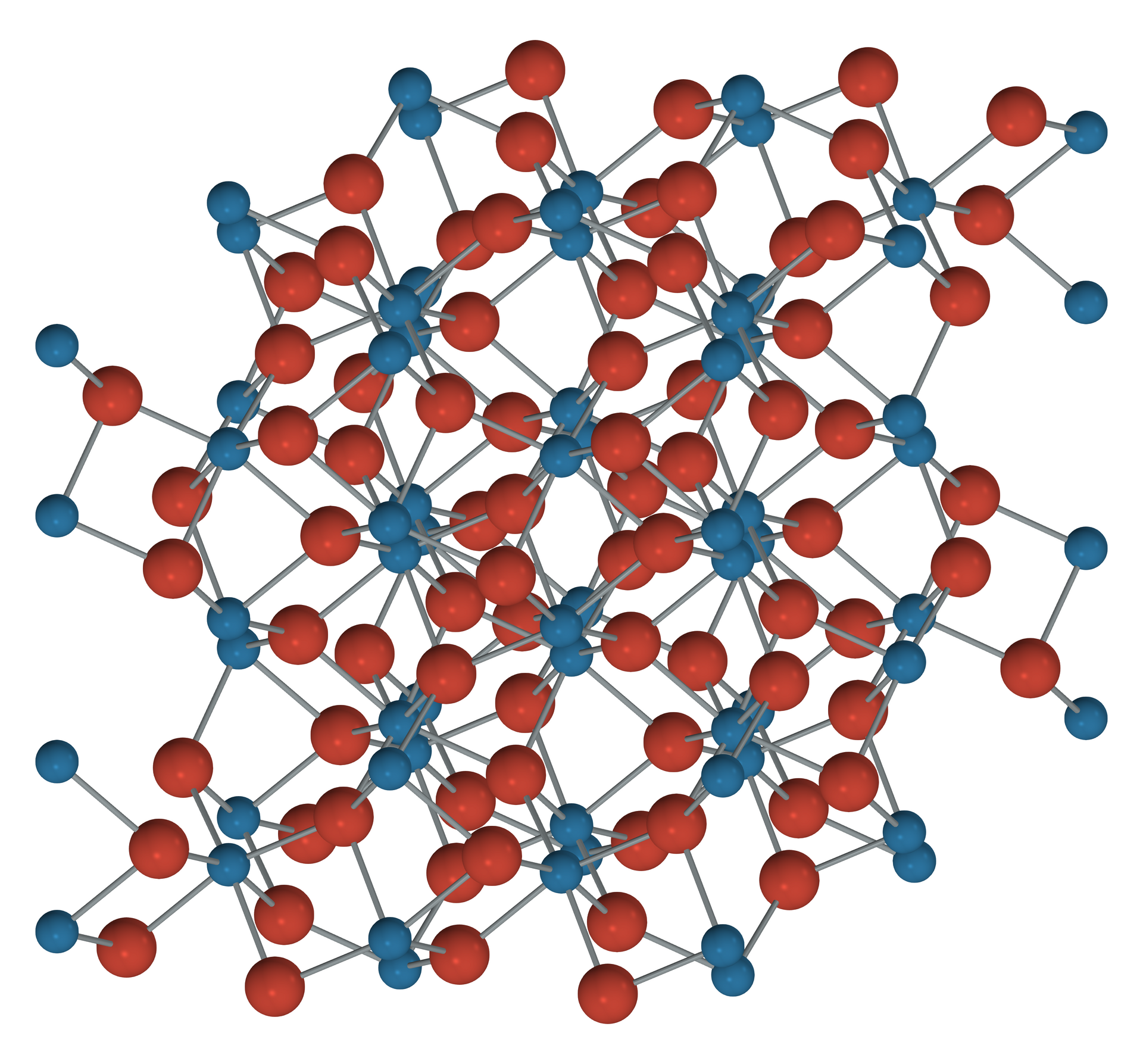
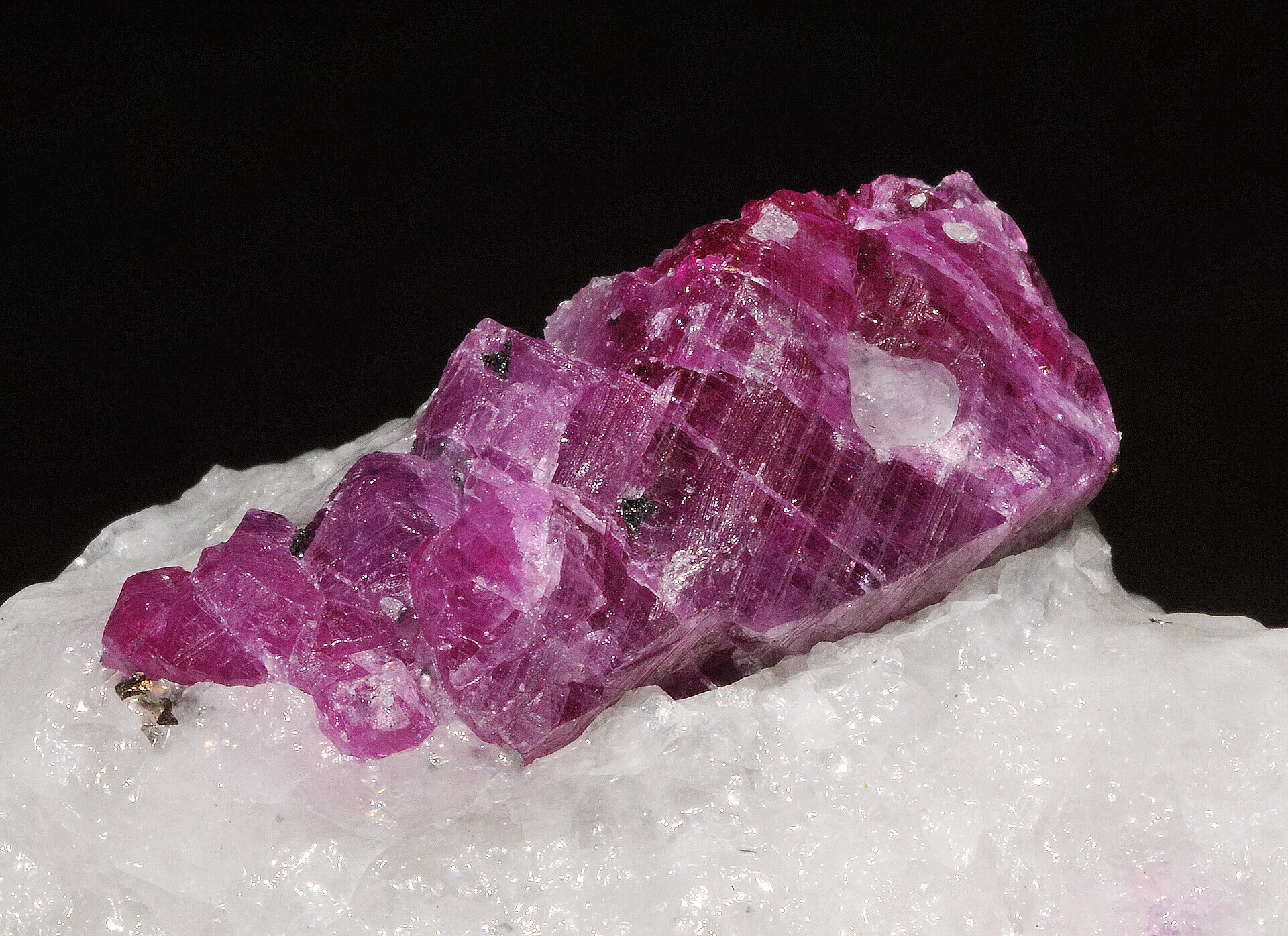
Sapphire is corundum in every color except red — red belongs to ruby. Same mineral, same formula Al₂O₃, same hardness 9; only the trace elements differ. Blue sapphire, the classic, owes its color to an electron-passing partnership between iron and titanium atoms.
Non-blue stones are ‘fancy sapphires’: yellow, pink, green, purple, orange — and the prized pink-orange padparadscha, named for the lotus blossom. Some change color between daylight and lamplight; dense needles of rutile give others a six-rayed star.
Sapphire is September’s birthstone and arguably the world’s most-worn colored gem — engagement rings have favored it since antiquity.
Physical Properties
The full data table is in the panel alongside. Here’s what those numbers actually mean.
Color. In blue sapphire, Fe²⁺ and Ti⁴⁺ ions sit side by side and pass an electron back and forth — an intervalence charge transfer that swallows red light and returns blue. Fe³⁺ alone gives yellow; chromium gives pink; mixtures paint the fancy spectrum.
Hardness & toughness. 9 on Mohs with no cleavage makes sapphire one of the toughest gems — suitable for watch faces and phone lenses as well as rings.
Optics. Uniaxial negative, RI ~1.76–1.77, with strong dichroism — deep blue one direction, greenish the other. Fine rutile needles produce silk; when dense, a six-rayed star sapphire.
Treatment. Most sapphires are heat-treated to deepen or clarify color — an accepted practice that gem labs routinely disclose.
How & Where It Forms
Sapphire grows wherever aluminium is abundant and silica scarce: in metamorphosed shales and gneisses, in marble, and around silica-poor pegmatitic rocks. The fabled Kashmir stones formed where pegmatitic fluids met impure limestone high in the Himalaya.
A second route is volcanic: sapphire crystallizes deep in the Earth and rides to the surface inside alkali basalt — the source of the vast Australian, Thai and Montana fields. Rivers do the final sorting, delivering the gem gravels of Ratnapura and Ilakaka.
Often grows alongside:
What It’s Used For
How to Identify It
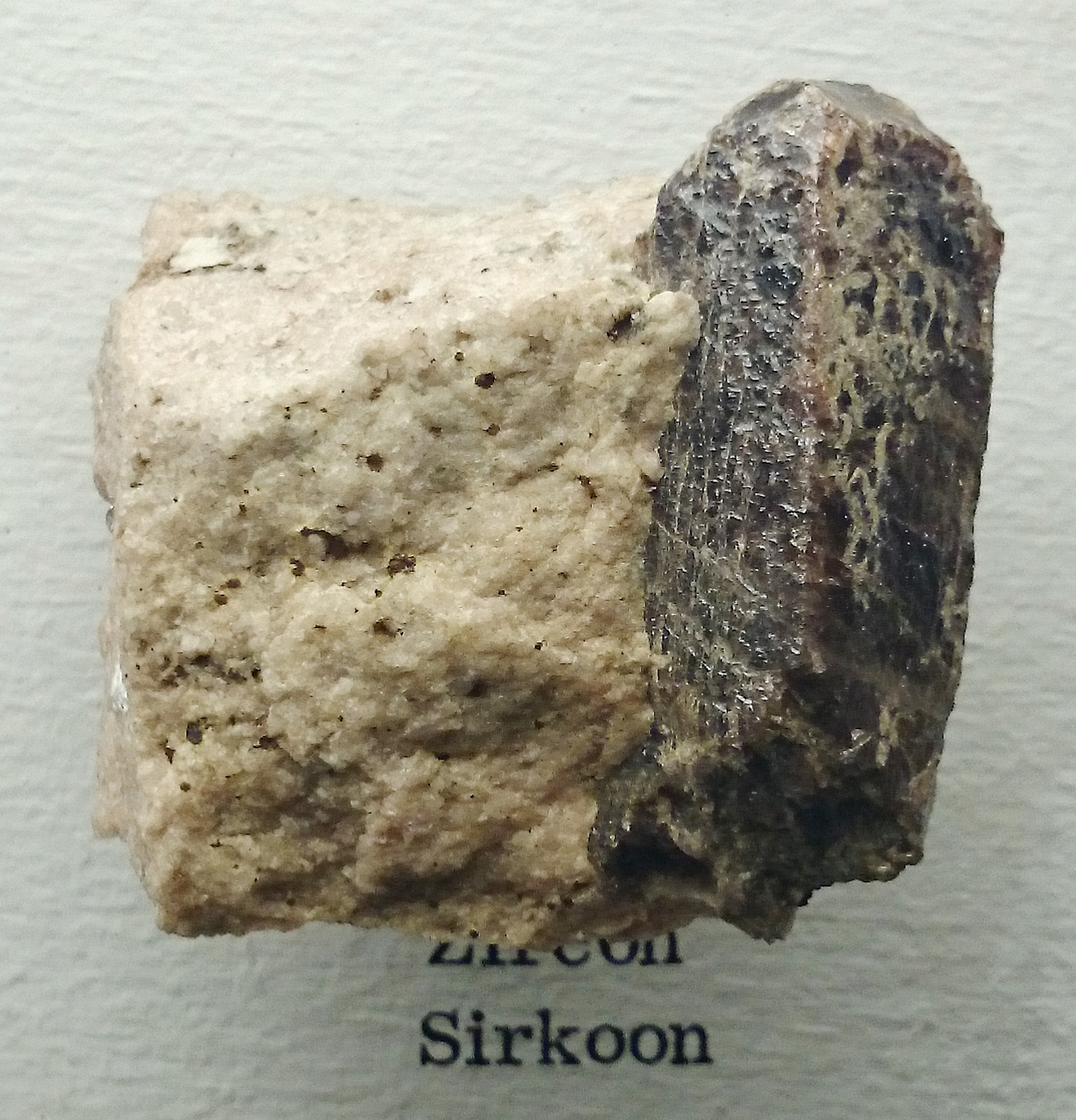
Hardness 9 and strong dichroism do most of the work. Blue spinel is singly refractive and lighter; tanzanite is softer and shows three pleochroic colors including violet; blue zircon flashes dramatic facet doubling and is far denser. Iolite reveals a near-colorless axis, and benitoite out-fires diamond and glows blue under short-wave UV.
| Looks like… | But differs because… | Quick test |
|---|---|---|
| Spinel | Singly refractive and lighter (SG ~3.6) — a classic blue simulant | Polariscope |
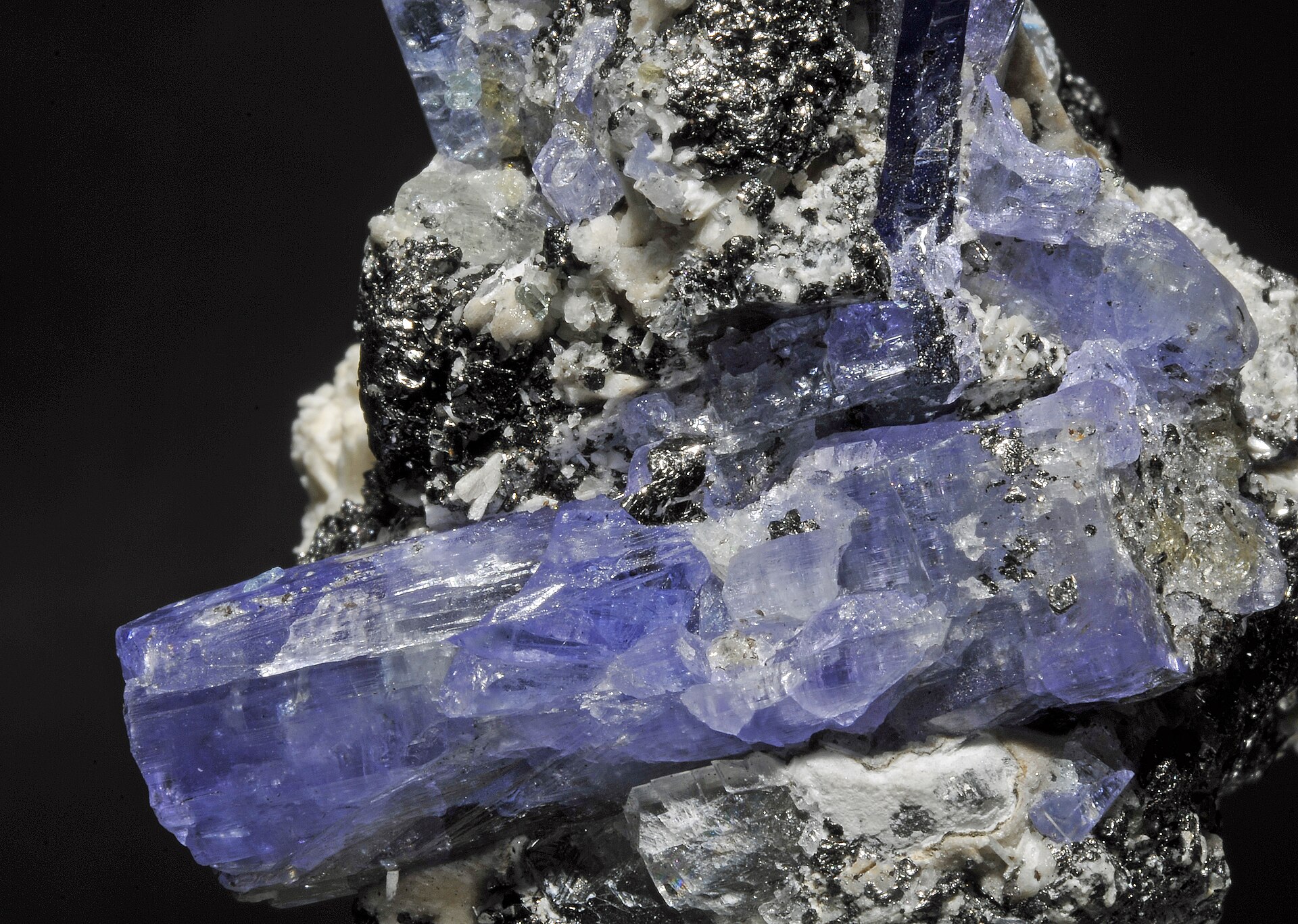
| Tanzanite | Softer (6–7) and trichroic — violet flashes sapphire never shows | Dichroscope |
| Zircon | Far denser (~4.7) with dramatic facet doubling and adamantine luster | Loupe & heft |
| Iolite | Trichroic with a near-colorless axis; softer (7–7.5) | Pleochroism |
| Benitoite | Dispersion stronger than diamond’s; fluoresces bright blue under short-wave UV | UV & fire |
Where It’s Found
Notable localities for fine specimens:
Gallery
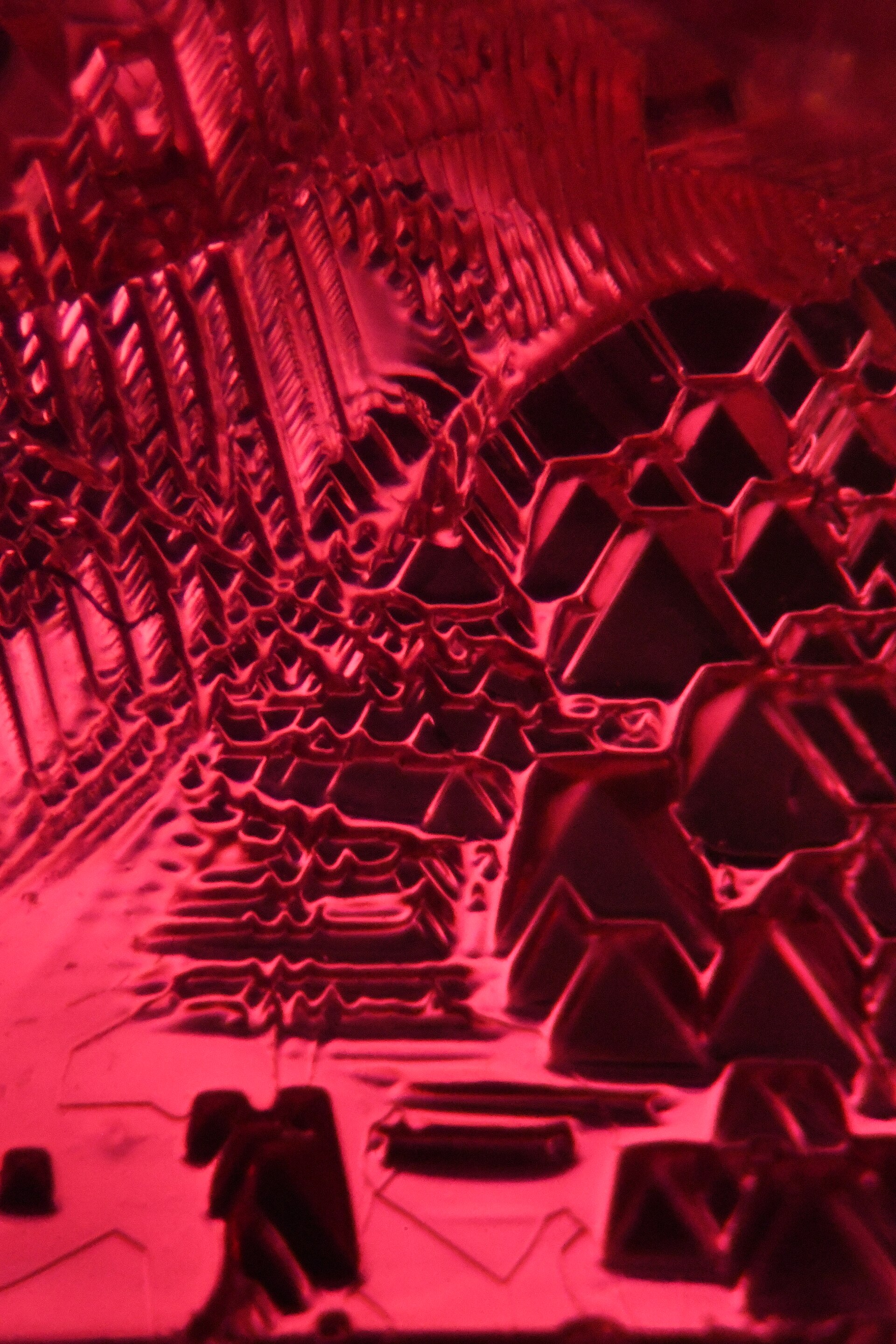
Photographs from Wikimedia Commons contributors — click a credit on the main image for the source and license.
Related Minerals
Others in the same family and minerals it commonly grows alongside.
References & Further Reading
- Dana’s New Mineralogy, 8th ed. Corundum group, simple oxides.
- Mindat.org — Sapphire variety data and locality records.
- Wikipedia — Sapphire.
Last reviewed 2026-09-14 · How to cite this page.