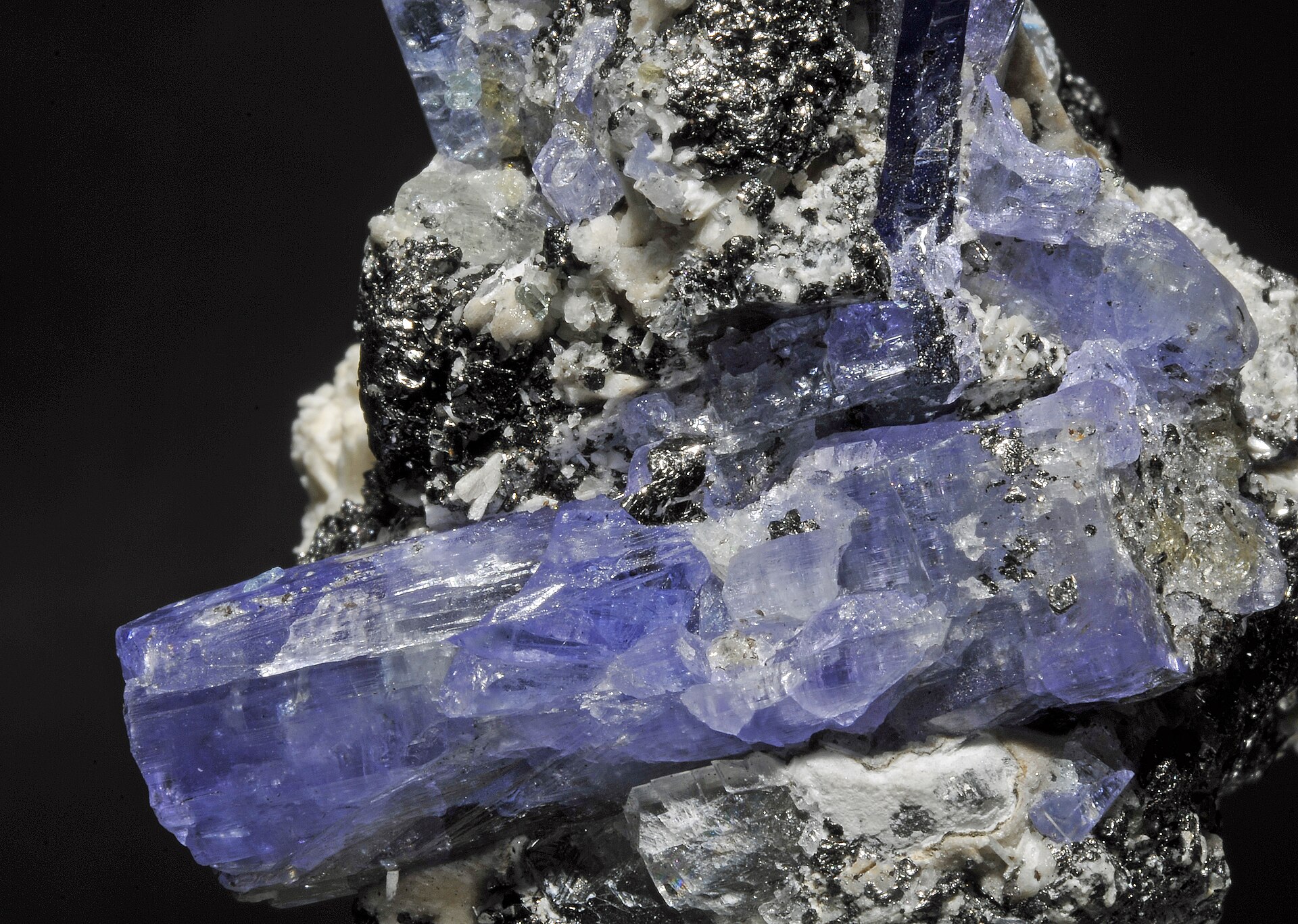
Tanzanite — the violet-blue variety of zoisite found only in Tanzania — Photo: Parent Géry · CC BY-SA 3.0
What is Tanzanite?
Tanzanite is the blue-to-violet gem variety of zoisite, a calcium aluminium silicate of the epidote group. Its whole story is improbable: the crystals were first brought to light in 1967 by prospector Manuel de Souza in the Merelani Hills near Mount Kilimanjaro, Tiffany & Co. renamed 'blue zoisite' as tanzanite a year later, and the gem went from unknown to a top-ten seller within a generation.
What makes it extraordinary is trichroism. Look down the three crystal axes and a single stone shows blue, violet, and burgundy-brown — three different colors from three directions. Gentle heating (often already done by nature underground, else in a furnace at ~600 °C) drives off the brown component and leaves the blue-violet blend that defines the gem.
And then there's the geography: tanzanite comes from a few square kilometres of metamorphic hills in northern Tanzania — the only commercial source on Earth. Geologists estimate the odds of the same conditions repeating elsewhere as remote, which is why the trade calls tanzanite a 'one-generation' gemstone.
Physical Properties
The full data table is in the panel alongside. Here’s what those numbers actually mean.
Pleochroism is the point. Most gems are at best dichroic; tanzanite is strongly trichroic, meaning three independent colors along its three axes. Before heating, stones can look almost brown; after, blue and violet dominate. Some untreated 'natural blue' crystals exist — they were cooked by the earth itself.
Softness warning. At Mohs 6–7 with a perfect {010} cleavage, tanzanite is gentler than sapphire or spinel — beautiful in pendants and earrings, riskier in rings that take knocks.
Optics. Biaxial positive with RI around 1.69–1.72 and low birefringence; a polariscope or dichroscope separates it from lookalikes in seconds.
How & Where It Forms
Tanzanite's zoisite grew in graphitic gneisses and calc-silicate rocks during a Pan-African metamorphic event ~585 million years ago, when limestone-rich sediments were buried and cooked. Hydrothermal fluids later remobilized vanadium into fractures and pockets where gem crystals formed. The Merelani deposit is divided into four licensed mining blocks (A–D), worked by both companies and artisanal miners to depths of hundreds of meters.
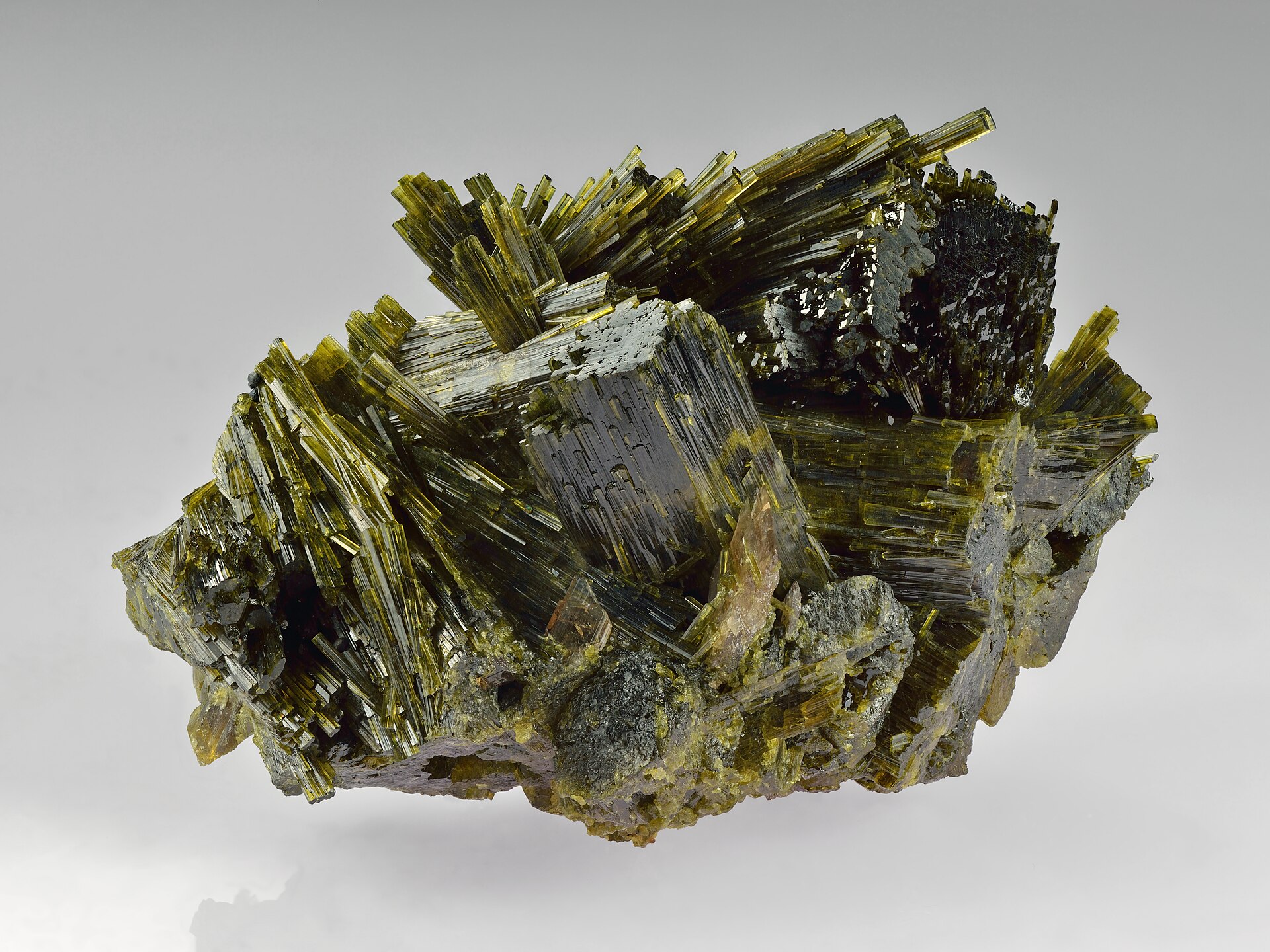
Often grows alongside:
What It’s Used For
How to Identify It
The giveaway is the three-color rotation: blue, violet, brownish-red. In the lab: RI ~1.70, biaxial (+), inert to UV, SG ~3.35. Sapphire is harder and only dichroic; iolite's third axis is yellowish; amethyst is lighter, uniaxial quartz. And practically — genuine tanzanite only ever comes from Tanzania.
| Looks like… | But differs because… | Quick test |
|---|---|---|
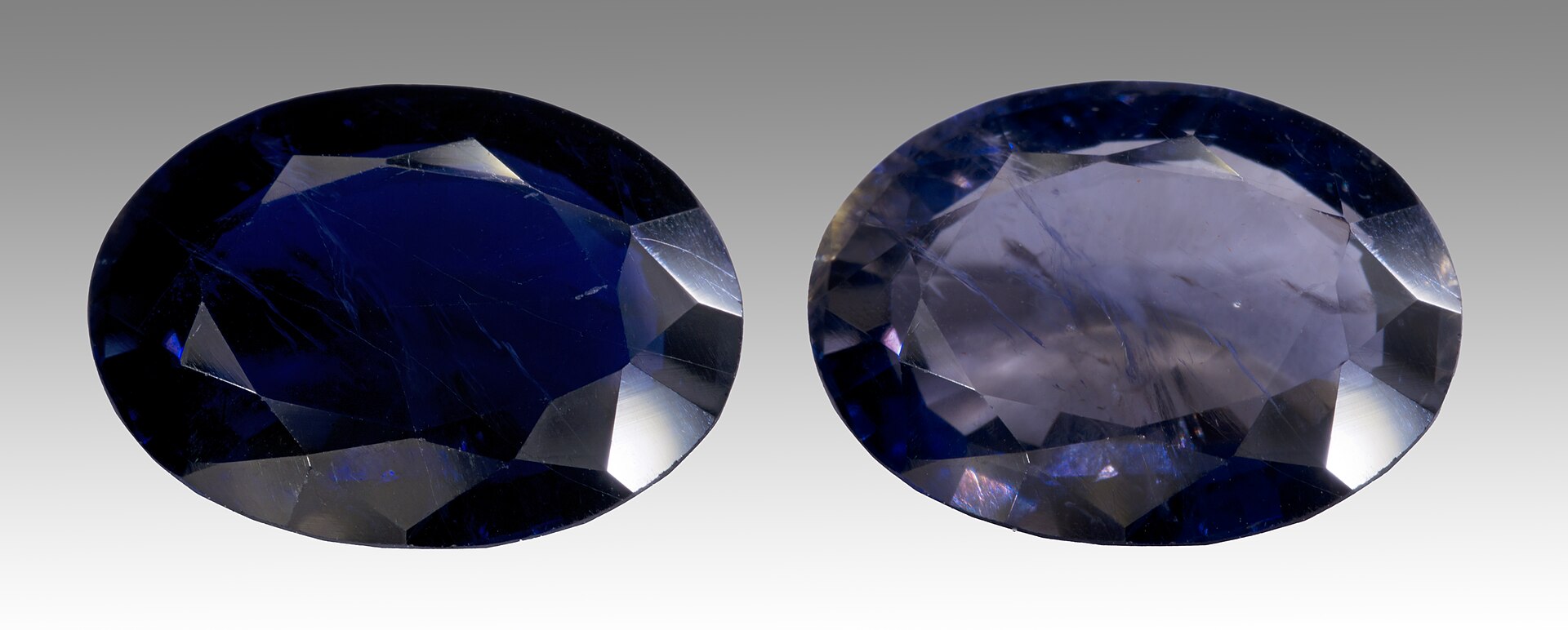
| Iolite | Also violet-blue and trichroic, but iolite's third color is yellowish-gray and it's lighter (SG ~2.6) with lower RI | Pleochroic colors & SG |
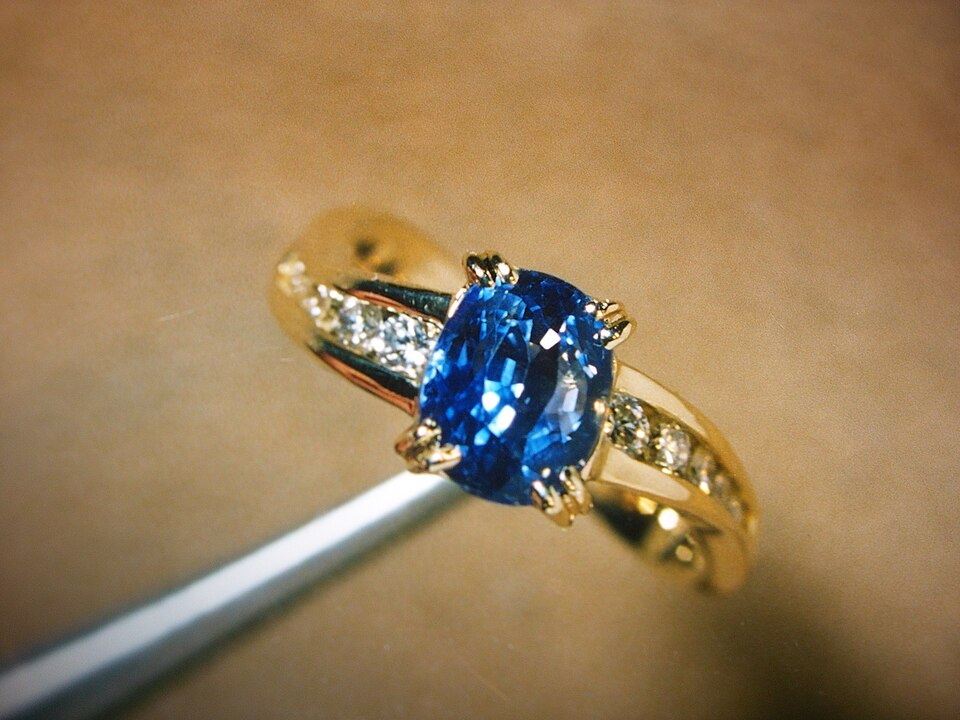
| Sapphire | Much harder (9), dichroic not trichroic, higher SG (~4.0) and RI (~1.76) | Hardness & pleochroism |
| Amethyst | Dichroic purple quartz — softer SG 2.65, uniaxial, no blue/brown split | Density & dichroism |
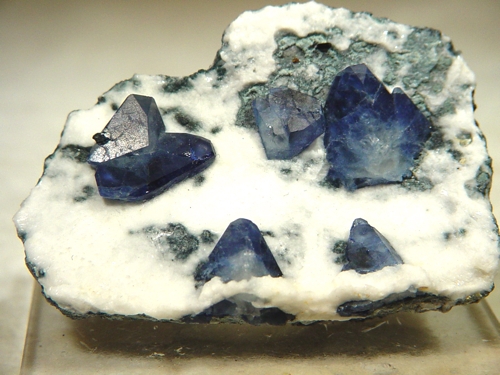
| Benitoite | Even rarer, uniaxial (+), with far stronger dispersion ('fire') and hexagonal crystals | Dispersion |
Where It’s Found
Notable localities for fine specimens:
Gallery
Photographs from Wikimedia Commons contributors — click a credit on the main image for the source and license.
Related Minerals
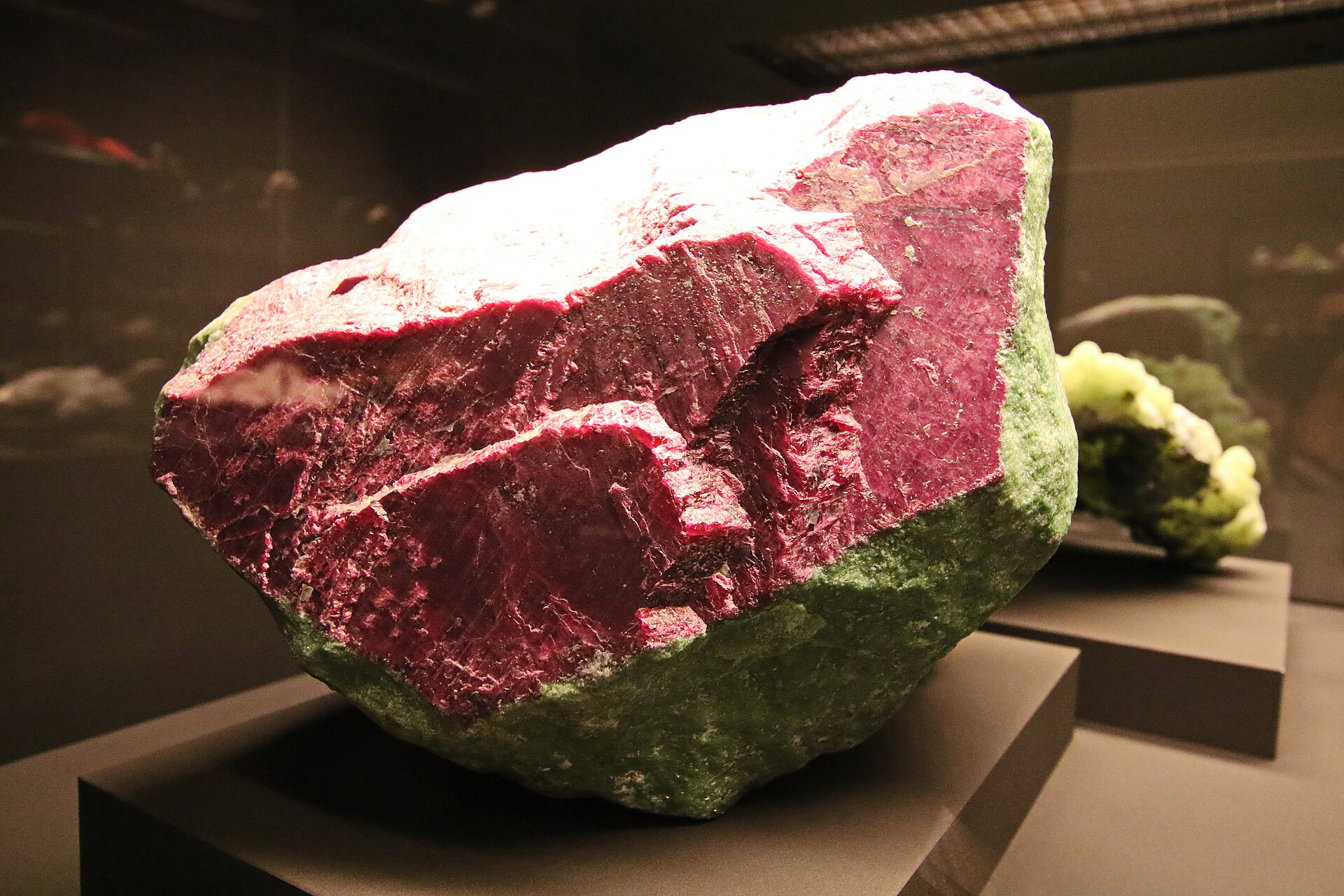
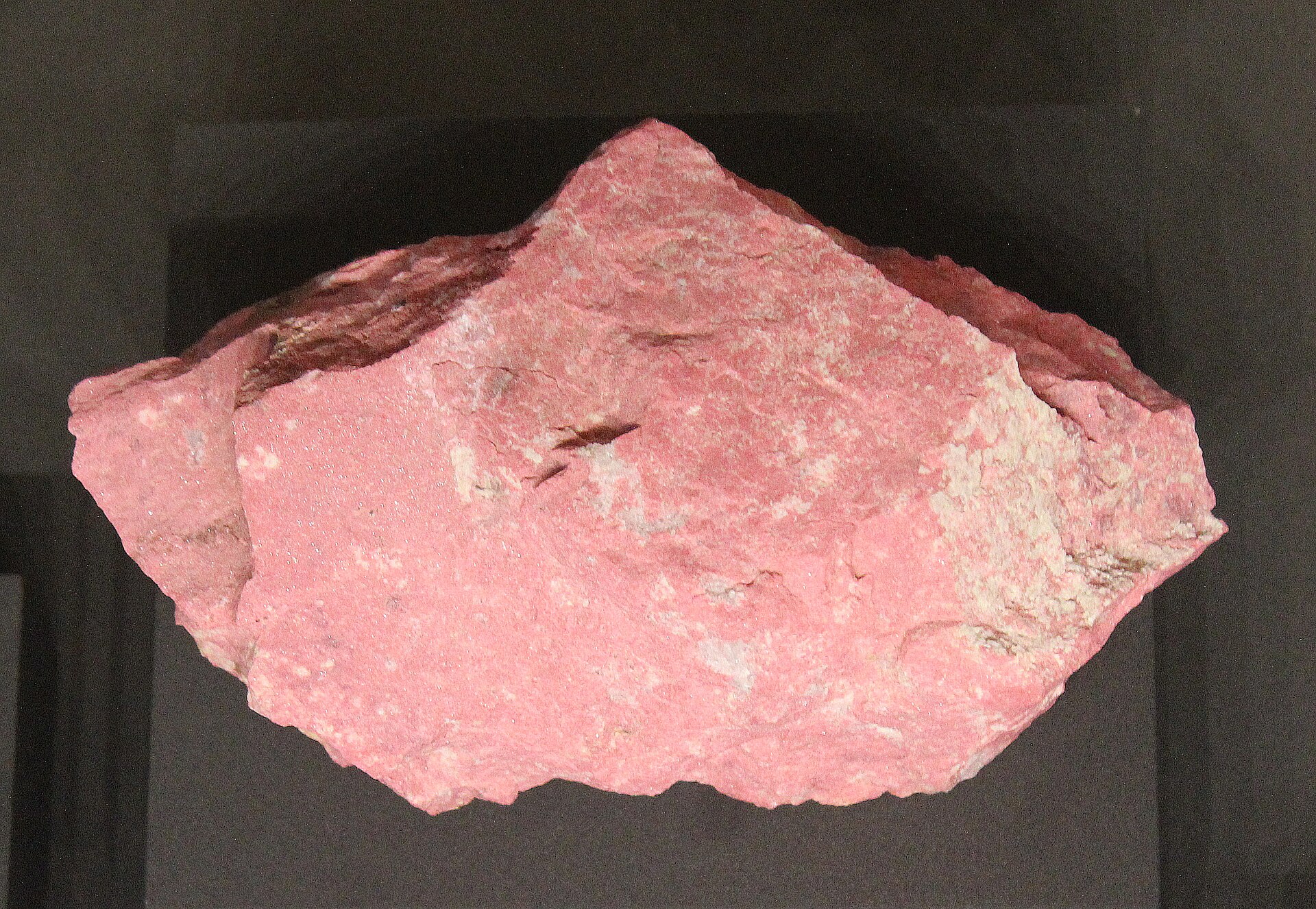
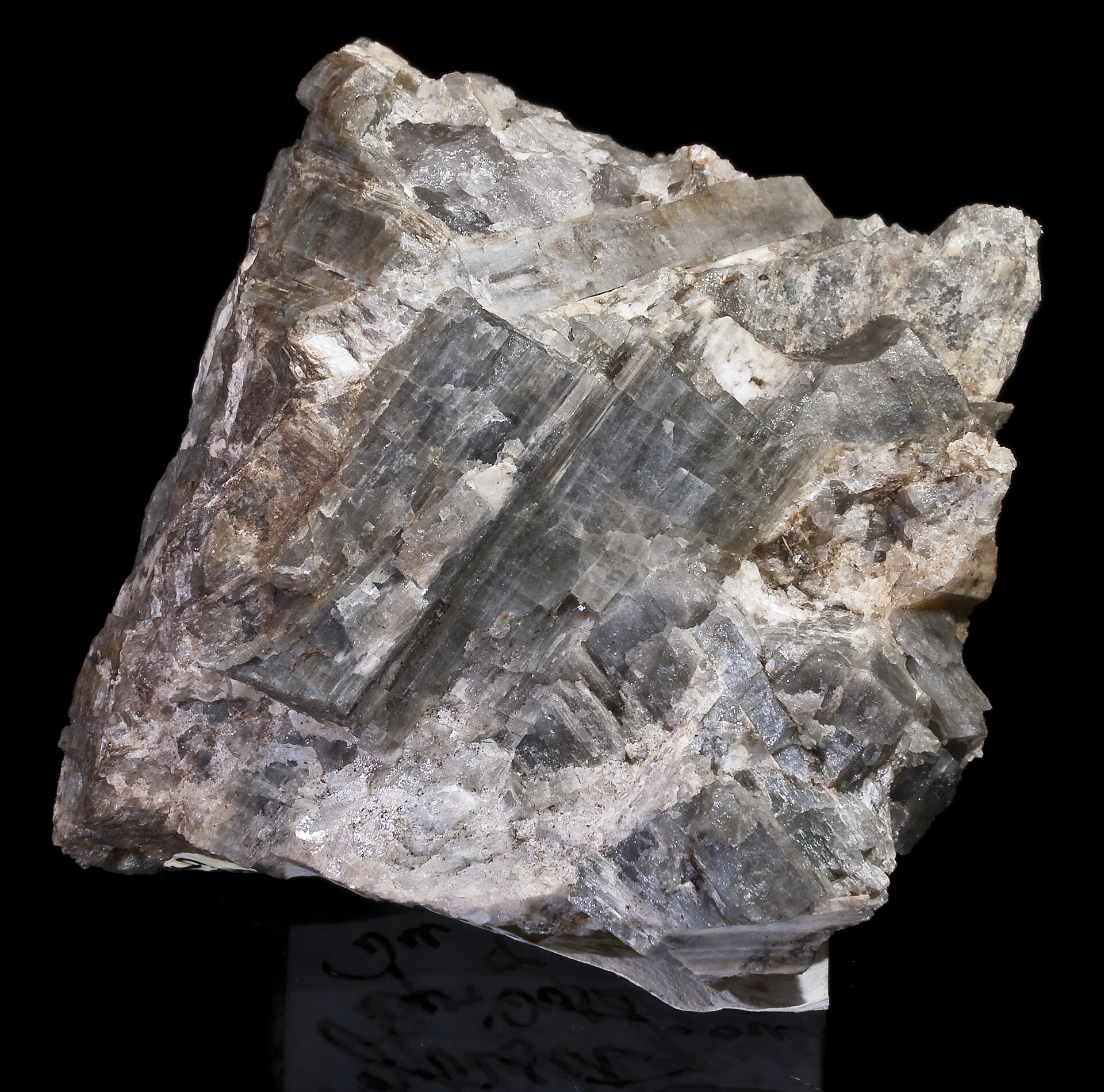
Others in the same family and minerals it commonly grows alongside.
References & Further Reading
- Dana's New Mineralogy, 8th ed. Epidote group, sorosilicates.
- Mindat.org — Tanzanite and zoisite data and locality records.
- Wikipedia — Tanzanite.
Last reviewed 2026-09-14 · How to cite this page.