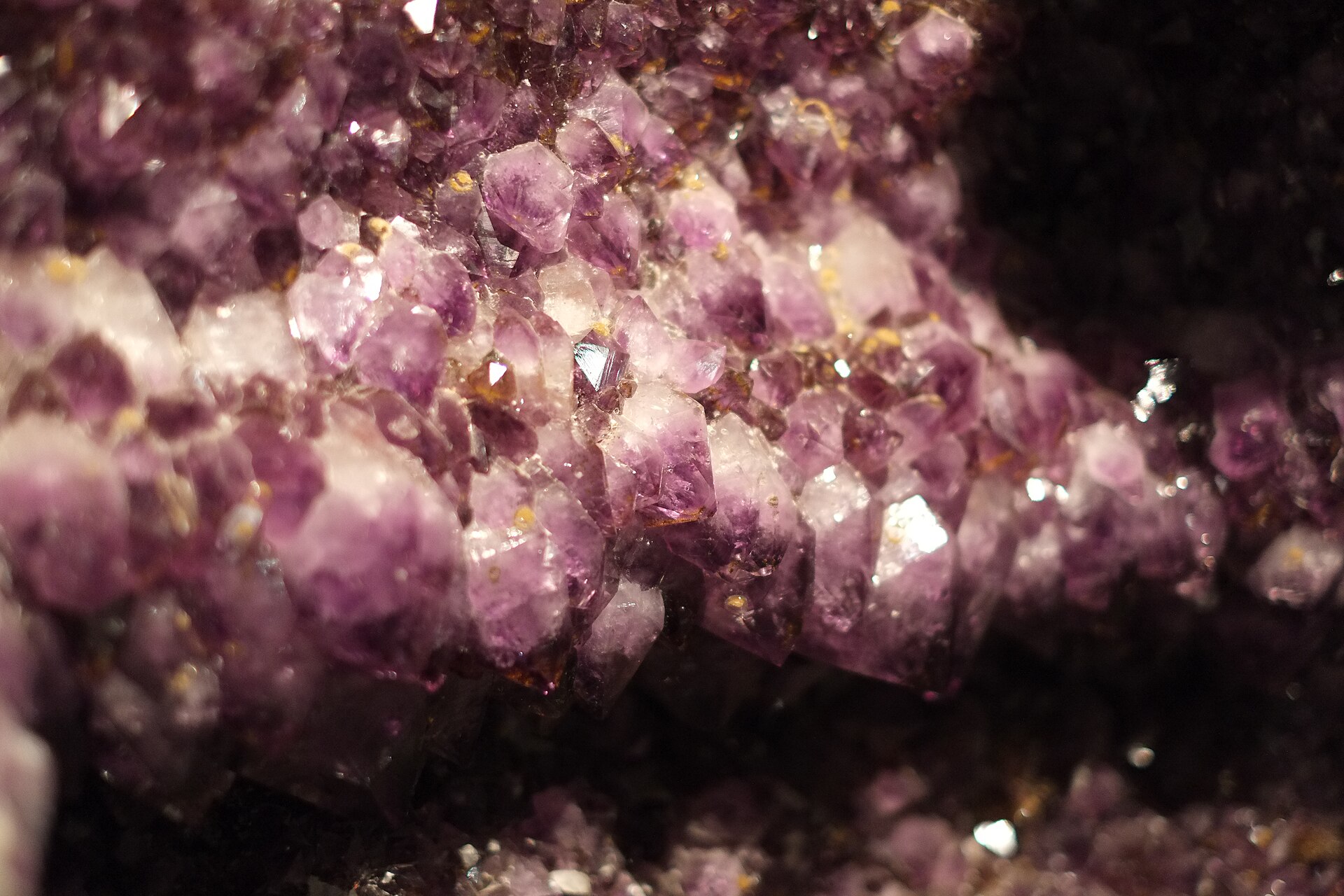
Amethyst crystal points — purple quartz with color concentrated at the tips — Photo: Pseudopanax at English Wikipedia · Public domain
What is Amethyst?
Amethyst is the purple variety of quartz — the same silicon dioxide (SiO₂) as clear rock crystal, tinted violet by a whisper of iron and a long dose of natural radiation. It is the most prized of all the quartz varieties and the birthstone for February.
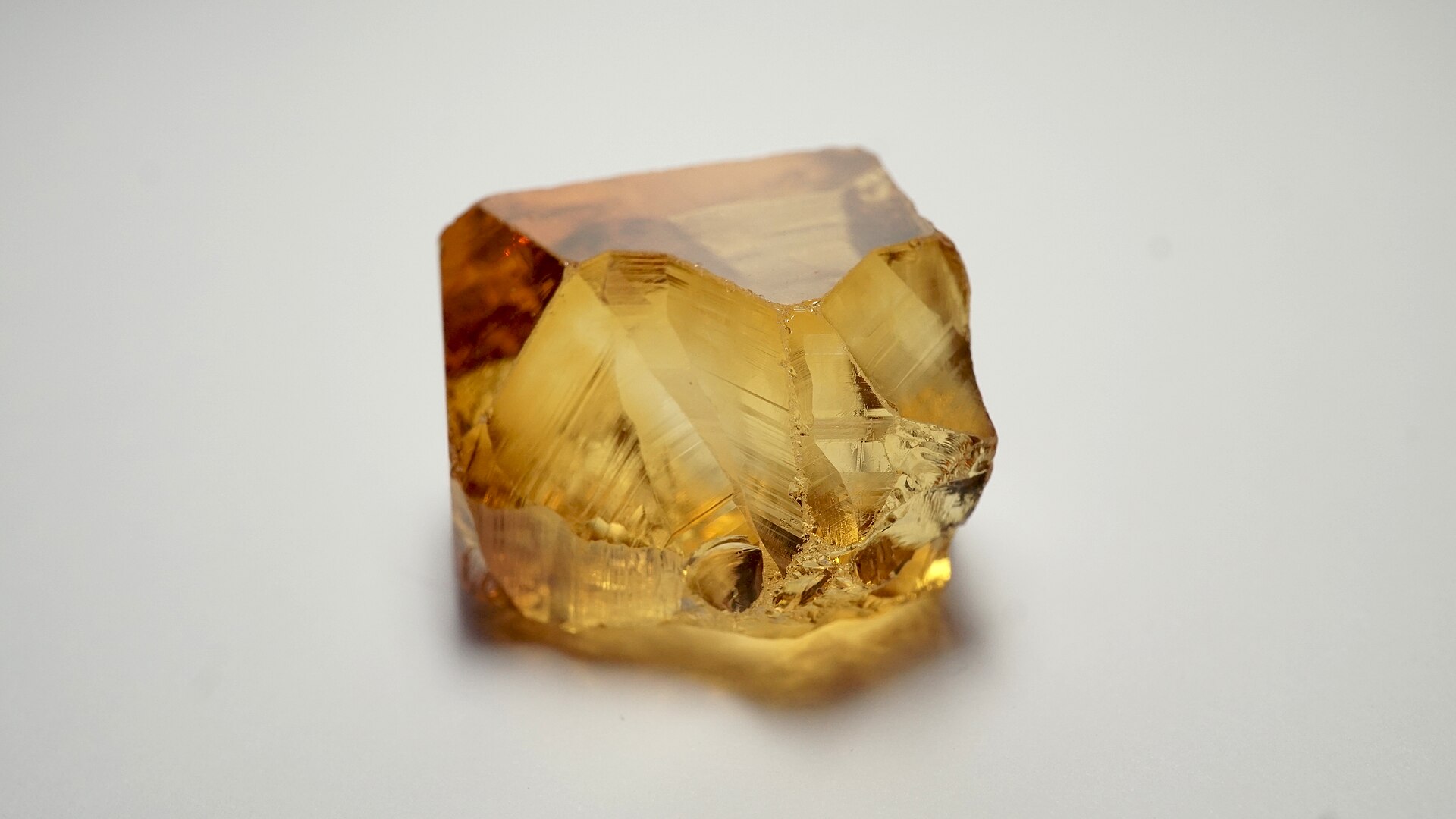
The color is not a coating or a dye. Trace iron sits inside the crystal lattice, and over millions of years radiation from surrounding rocks knocks it into ‘color centers’ that absorb light and leave purple behind. That is why amethyst can fade in strong sunlight — and why most citrine in shops began life as amethyst, since gentle heating converts the purple centers to golden yellow.
Amethyst typically grows as crystal points lining hollows in volcanic rock. The spectacular geode ‘cathedrals’ — hollows big enough to stand inside — come mostly from the basalt fields of Brazil and Uruguay.
Physical Properties
The full data table is in the panel alongside. Here’s what those numbers actually mean.
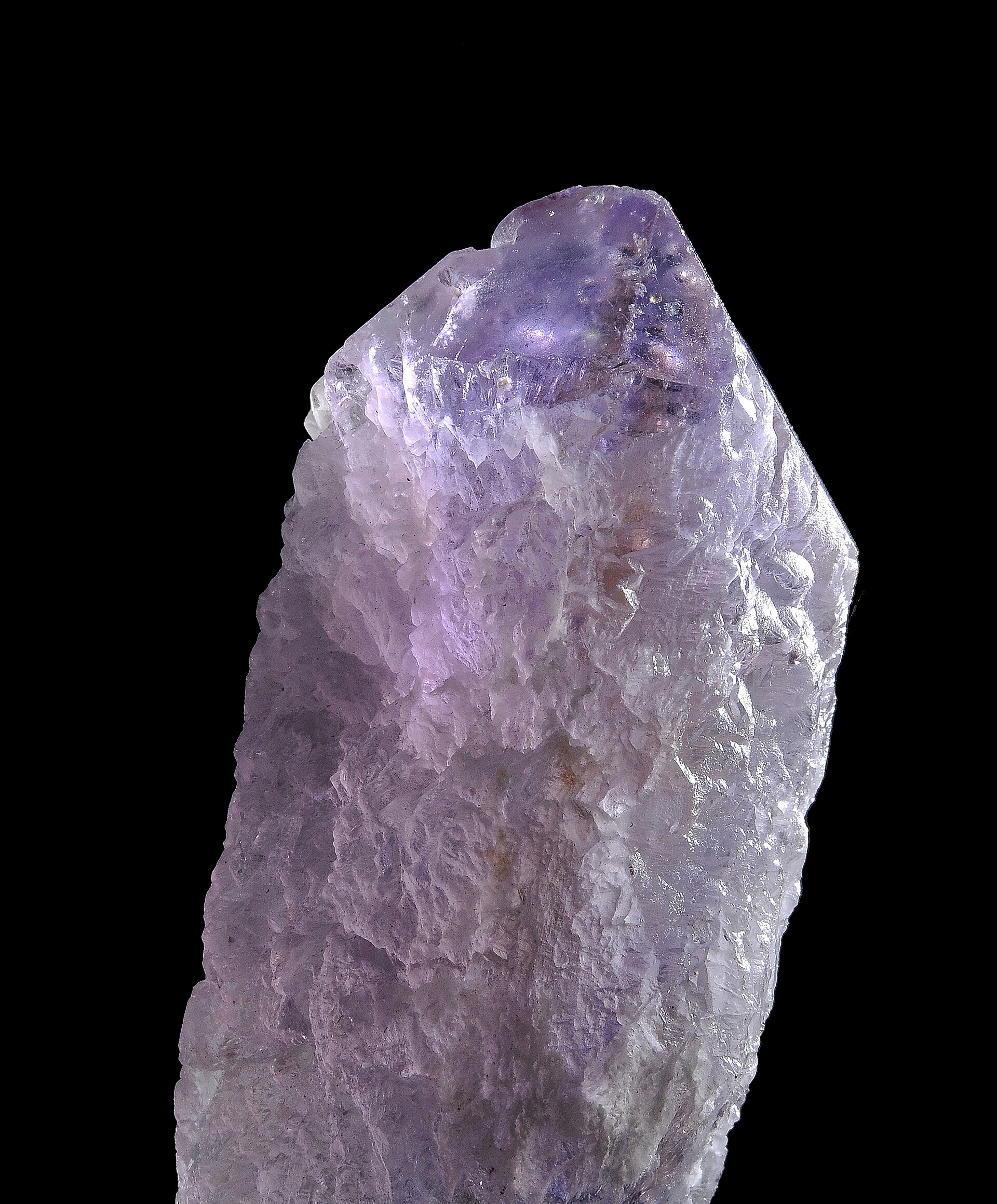
Color and zoning. Amethyst ranges from pale lilac (sold as ‘Rose de France’) to a deep purple with red flashes prized as ‘Siberian’ quality. The color is rarely even: it concentrates toward the crystal tips and in zones parallel to the prism faces, a record of how the crystal grew.
Twinning. Nearly all amethyst is twinned on the Brazil law, with left- and right-handed quartz intergrown in thin wedges. Under crossed polarizing filters this shows as a feather-like pattern — a reliable sign of natural amethyst rather than glass.
Stability. The color centers can be bleached by heat or prolonged strong sunlight. At a few hundred degrees the purple is destroyed entirely, turning the stone yellow, greenish or colorless.
How & Where It Forms
Amethyst crystallizes from silica-bearing fluids inside cavities — most famously the gas-bubble hollows (vesicles) in cooled basalt lava. As fluids percolated through the rock, silica precipitated on the cavity walls, first as a thin skin of agate, then as inward-growing crystal points.
The purple needed two accidents: iron in the fluid, and a source of natural radiation — uranium- and thorium-bearing rocks and groundwater nearby. Without radiation the iron-bearing quartz stays smoky or colorless; irradiated, it turns violet. Pegmatites and hydrothermal veins host amethyst too, but the giant geodes of Rio Grande do Sul and Artigas supply most of the world's gem rough.
Often grows alongside:
What It’s Used For
How to Identify It
Look for purple color (often zoned, darkest at the tips), glassy luster, and hardness 7 — amethyst scratches glass and is not scratched by steel. Like all quartz it has no cleavage and breaks in smooth conchoidal curves.
The main lookalike is purple fluorite, which is far softer (4) and splits along perfect octahedral cleavage — check for flat, step-like surfaces and an easy scratch. Glass imitations betray themselves with round bubbles and mold marks.
| Looks like… | But differs because… | Quick test |
|---|---|---|
| Fluorite | Much softer (4) and splits along perfect octahedral cleavage planes | Scratch & cleavage check |
| Kunzite | Pink-lilac rather than violet, with strong pleochroism and perfect cleavage | Look for flat cleavage faces |
| Corundum | Purple sapphire is far harder (9) and denser (SG ~4.0) | Hardness & heft |
Where It’s Found
Notable localities for fine specimens:
Gallery
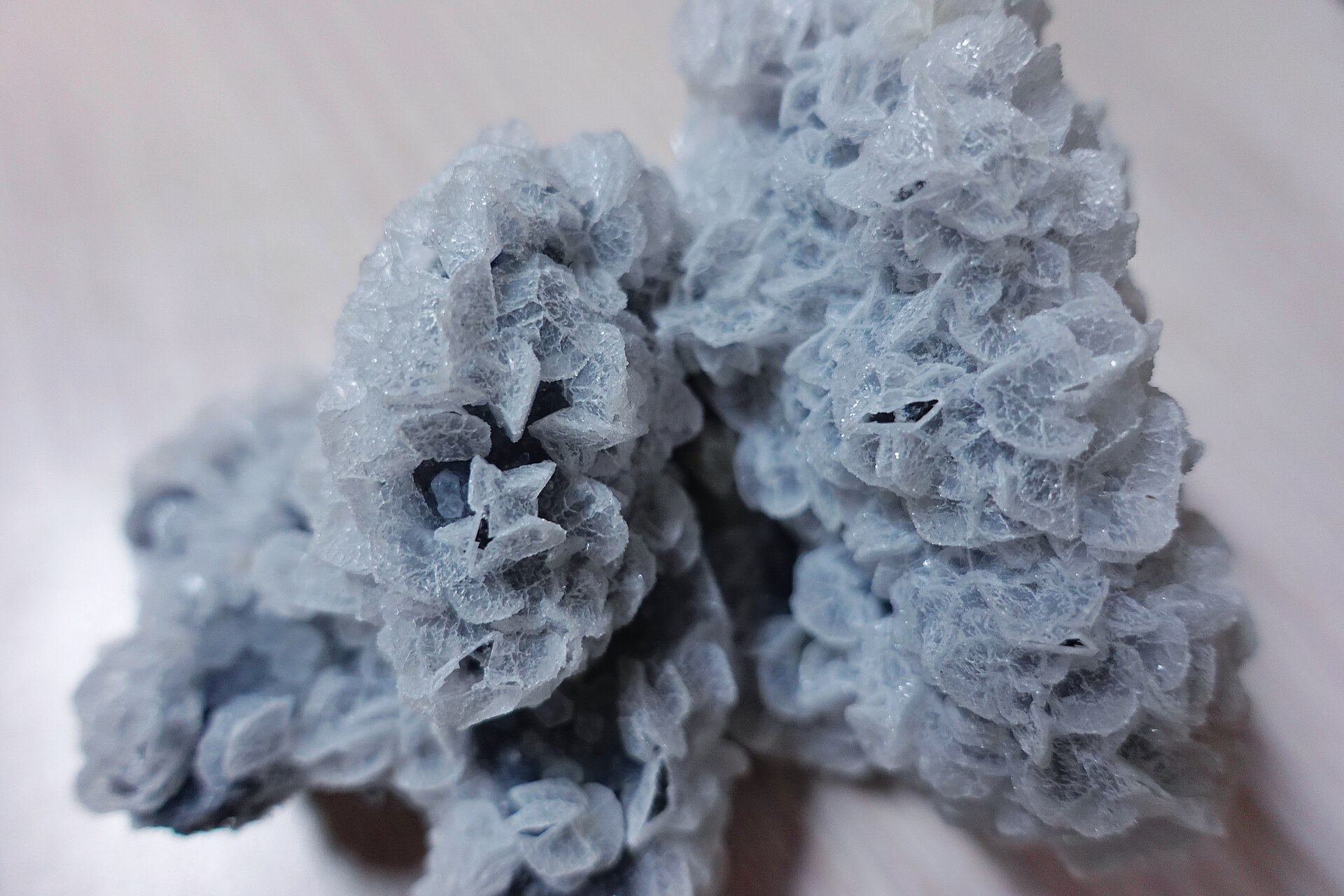
Photographs from Wikimedia Commons contributors — click a credit on the main image for the source and license.
Related Minerals
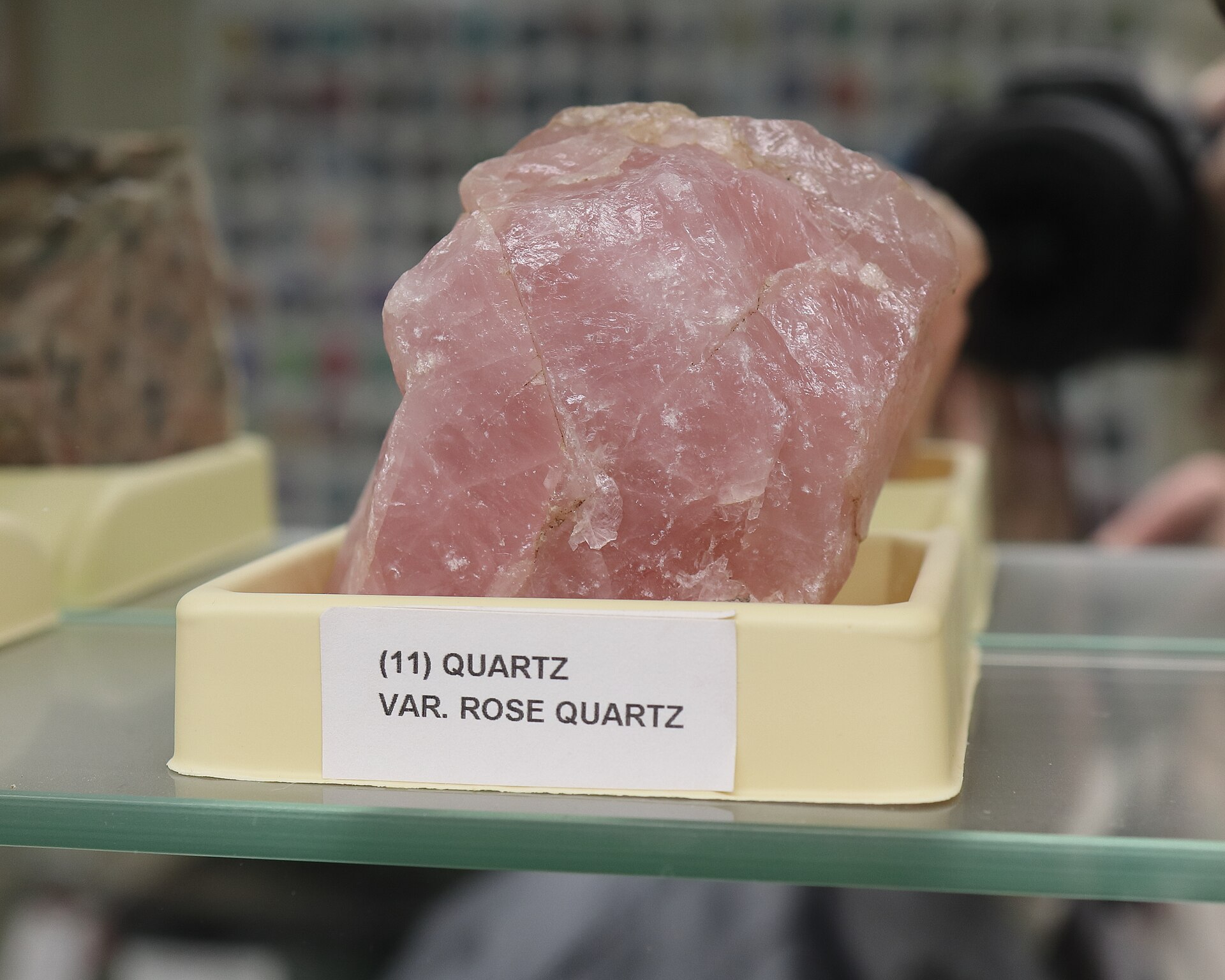
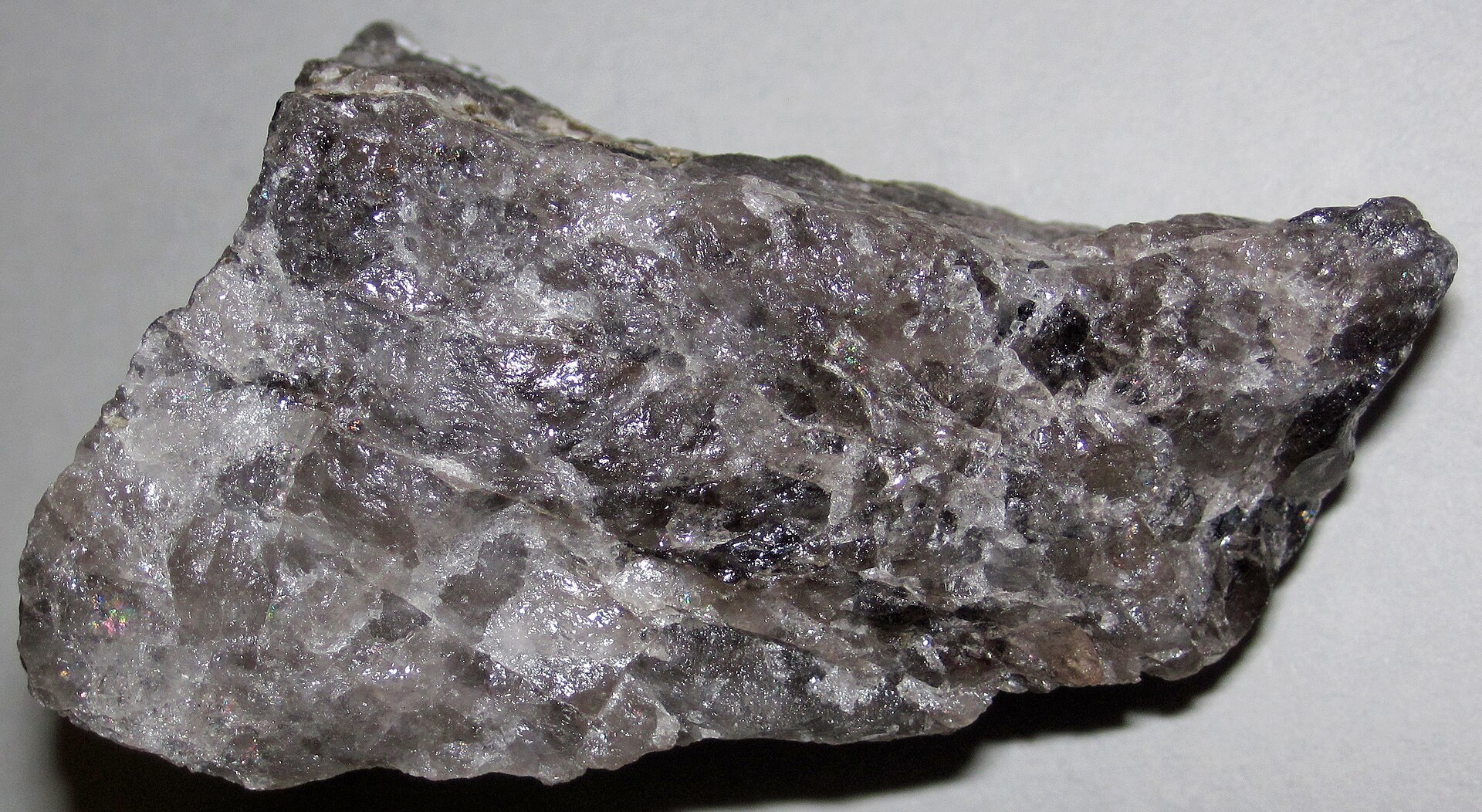
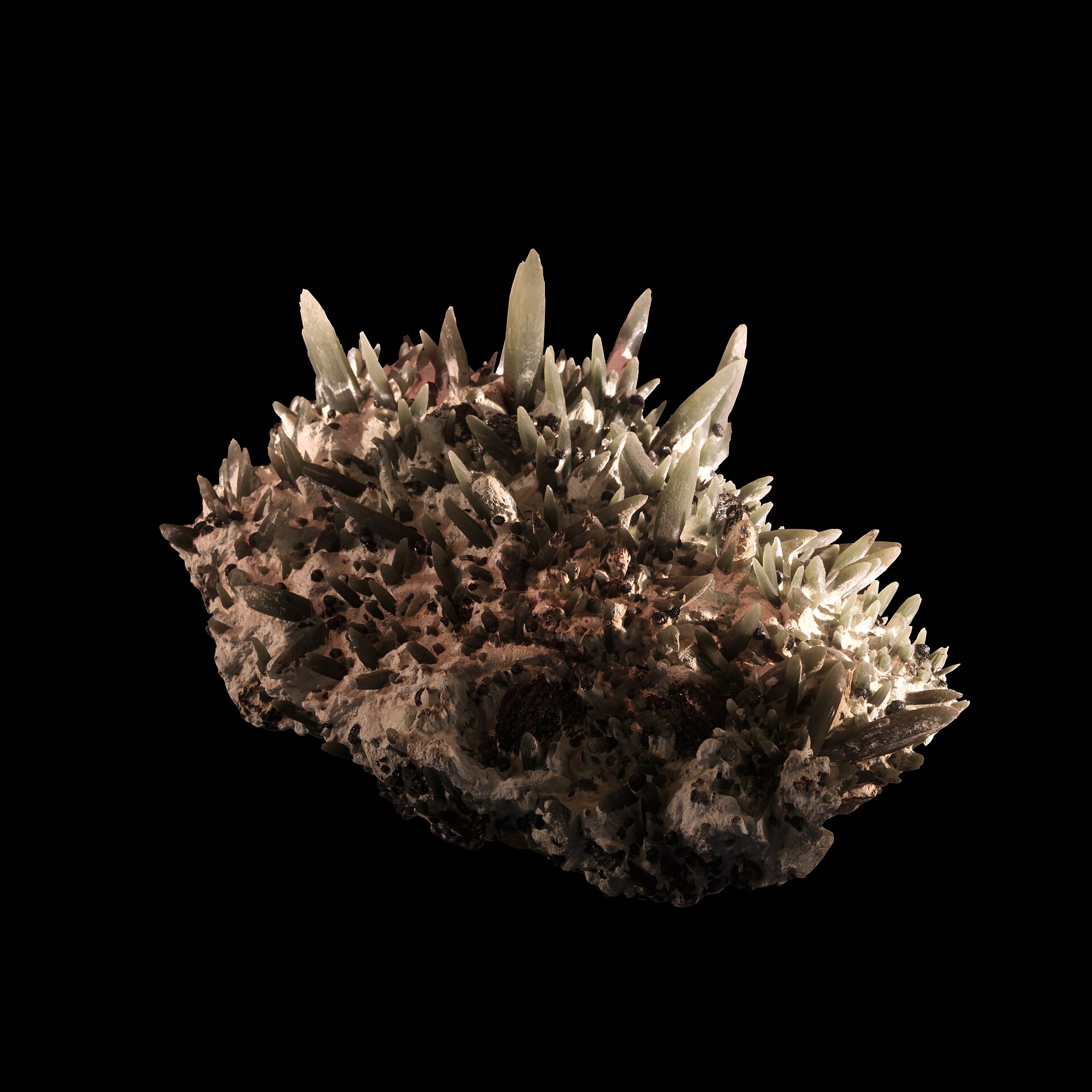
Others in the same family and minerals it commonly grows alongside.
References & Further Reading
- Dana’s New Mineralogy, 8th ed. Silica group, tectosilicates.
- Mindat.org — Amethyst mineral data and locality records.
- Wikipedia — Amethyst.
Last reviewed 2026-09-14 · How to cite this page.