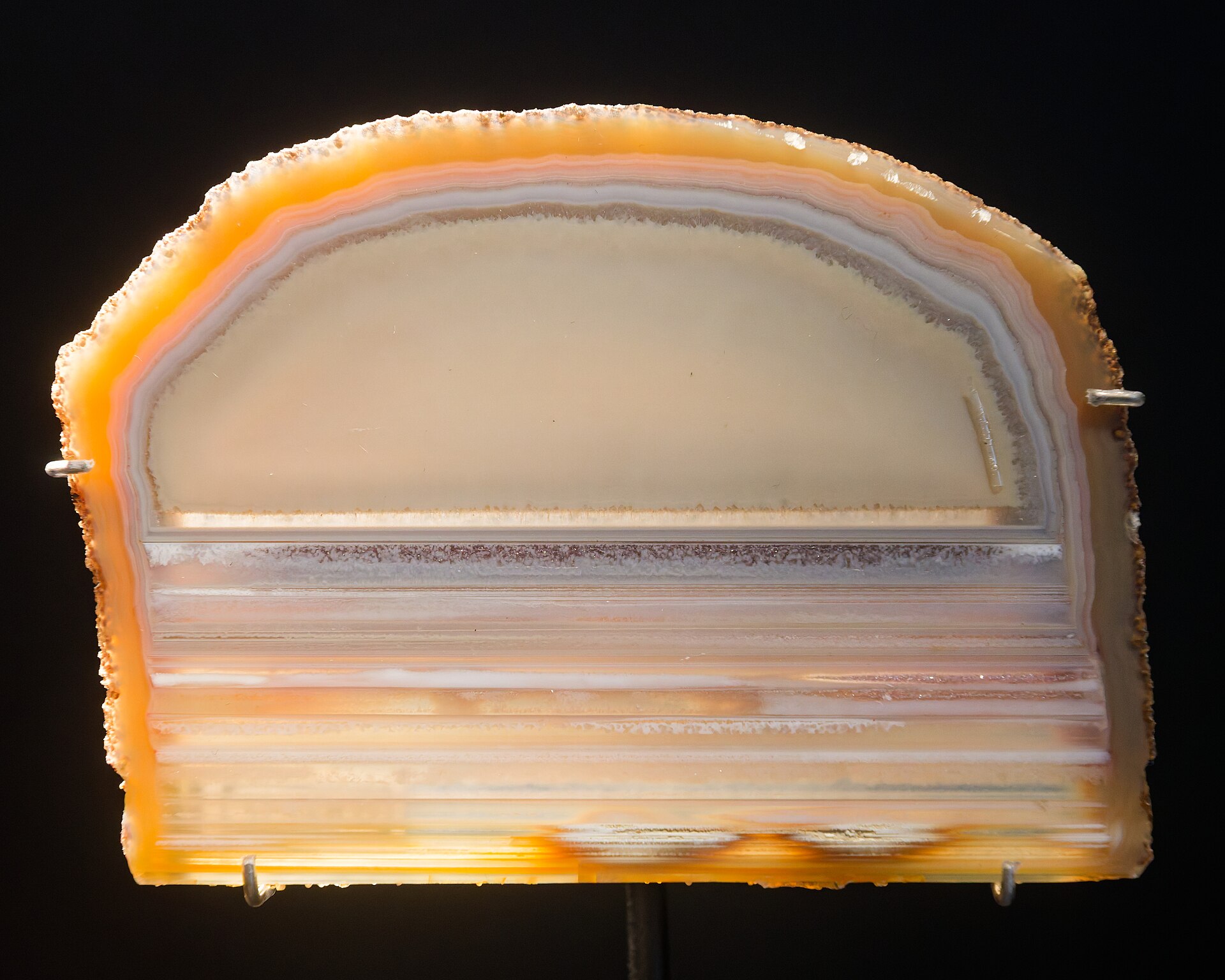
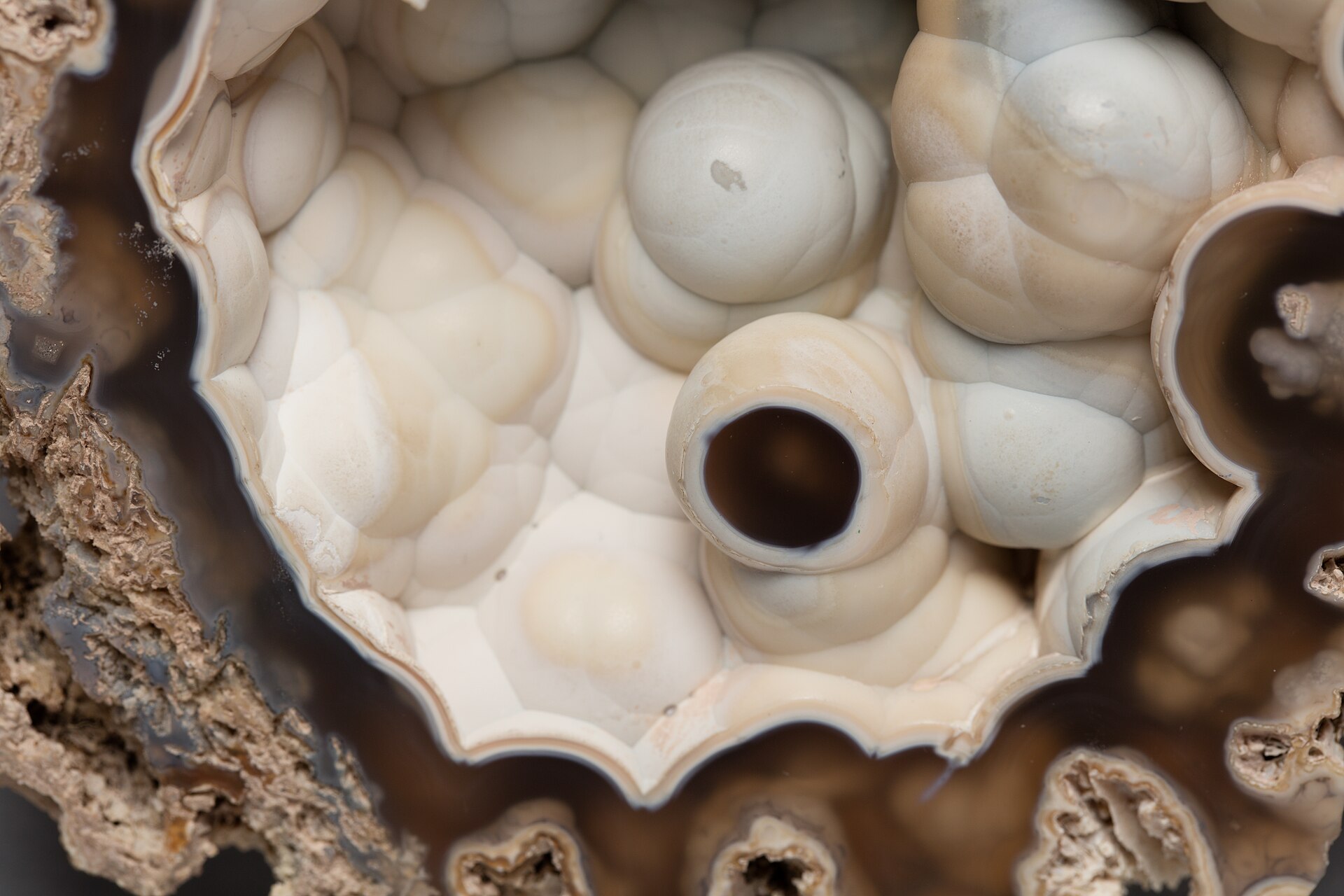
A sliced agate nodule — concentric bands of microcrystalline quartz — Photo: Marie-Lan Taÿ Pamart · CC BY 4.0
What is Agate?
Agate is banded chalcedony — quartz grown as microscopic fibers instead of visible crystals, deposited in concentric layers inside hollows in rock. Slice one open and you read its growth history: bands of white, gray, blue, brown and red recording each change in the silica-bearing fluids that fed it.
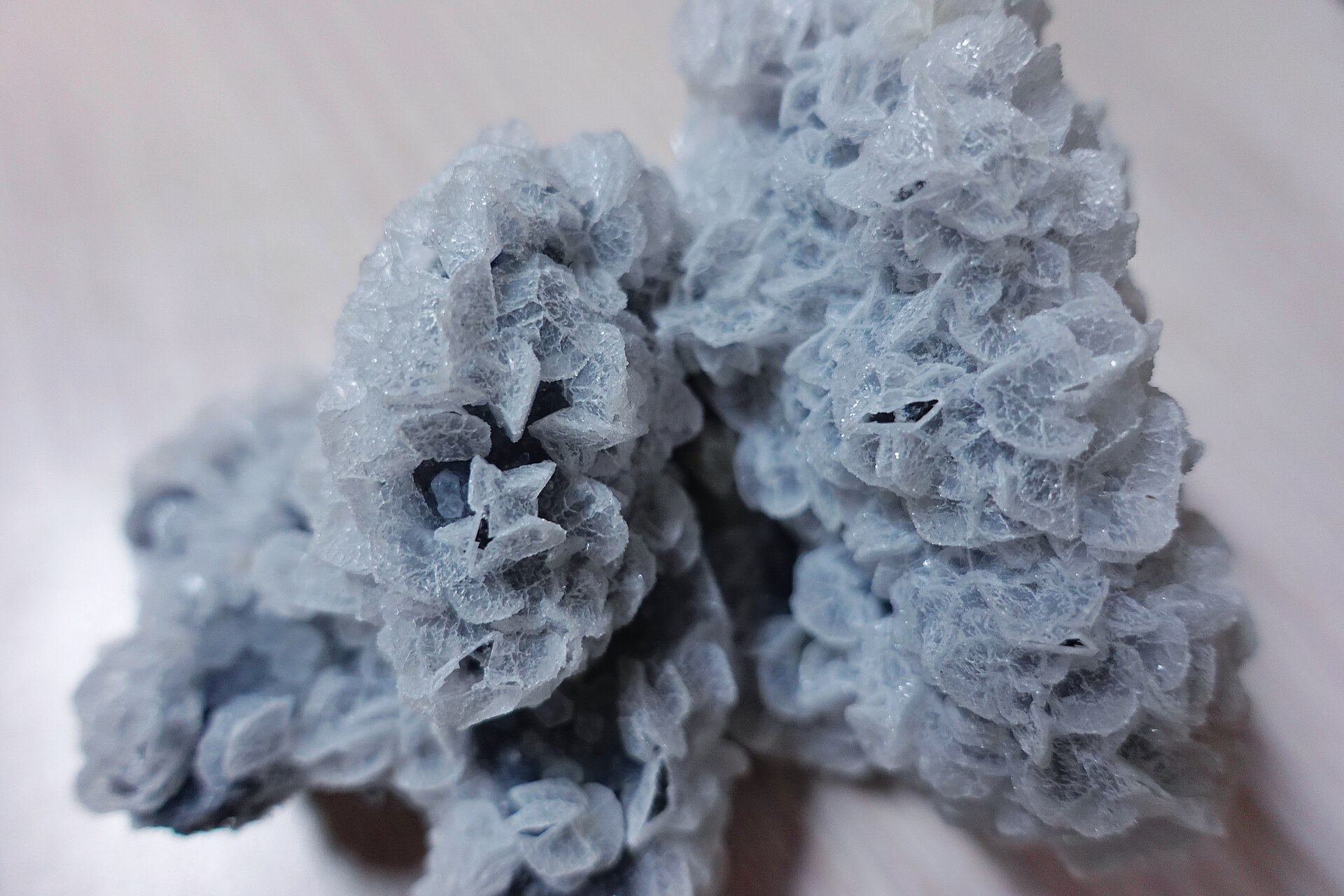
The recipe is ancient. Gas bubbles trapped in cooling lava become hollow pockets; groundwater carrying dissolved silica seeps in and lines the walls, layer upon layer, until the pocket fills or the supply stops. Iron oxides and other impurities stain individual bands, and any last void often hosts a flourish of sparkling quartz crystals.
Named by Theophrastus for the Achates River in Sicily around 300 BC, agate has been worked since prehistory and built the cutting industry of Idar-Oberstein in Germany, where it has been carved continuously for centuries.
Physical Properties
The full data table is in the panel alongside. Here’s what those numbers actually mean.
Texture. Under a microscope, agate is a felt of interlocking quartz fibers only thousandths of a millimeter wide — microcrystalline (‘cryptocrystalline’) quartz, often intergrown with the related silica mineral moganite. That fibrous build gives agate its slightly lower density and waxy fracture compared with coarse quartz.
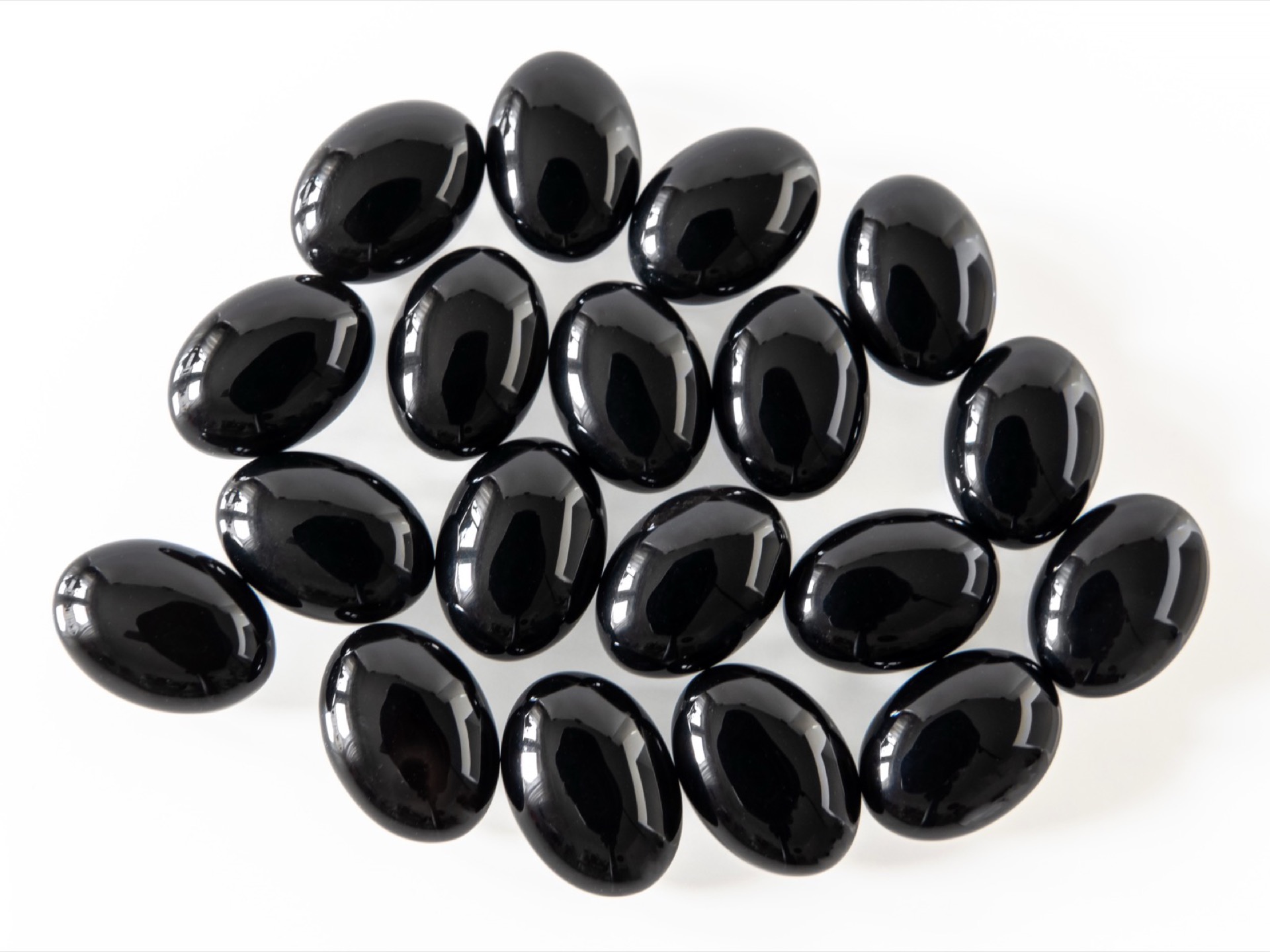
Banding. The bands follow the shape of the cavity: wall-hugging, curved ‘fortification’ banding in most nodules, or straight parallel layers in seam agates. True onyx is simply agate with straight, sharply alternating bands.
Color. Natural band colors run white, gray, brown, red and soft blue. The screaming pinks and teals in gift shops are dyed — agate's porous bands take pigment readily, a trade practice going back to Roman times.
Varieties
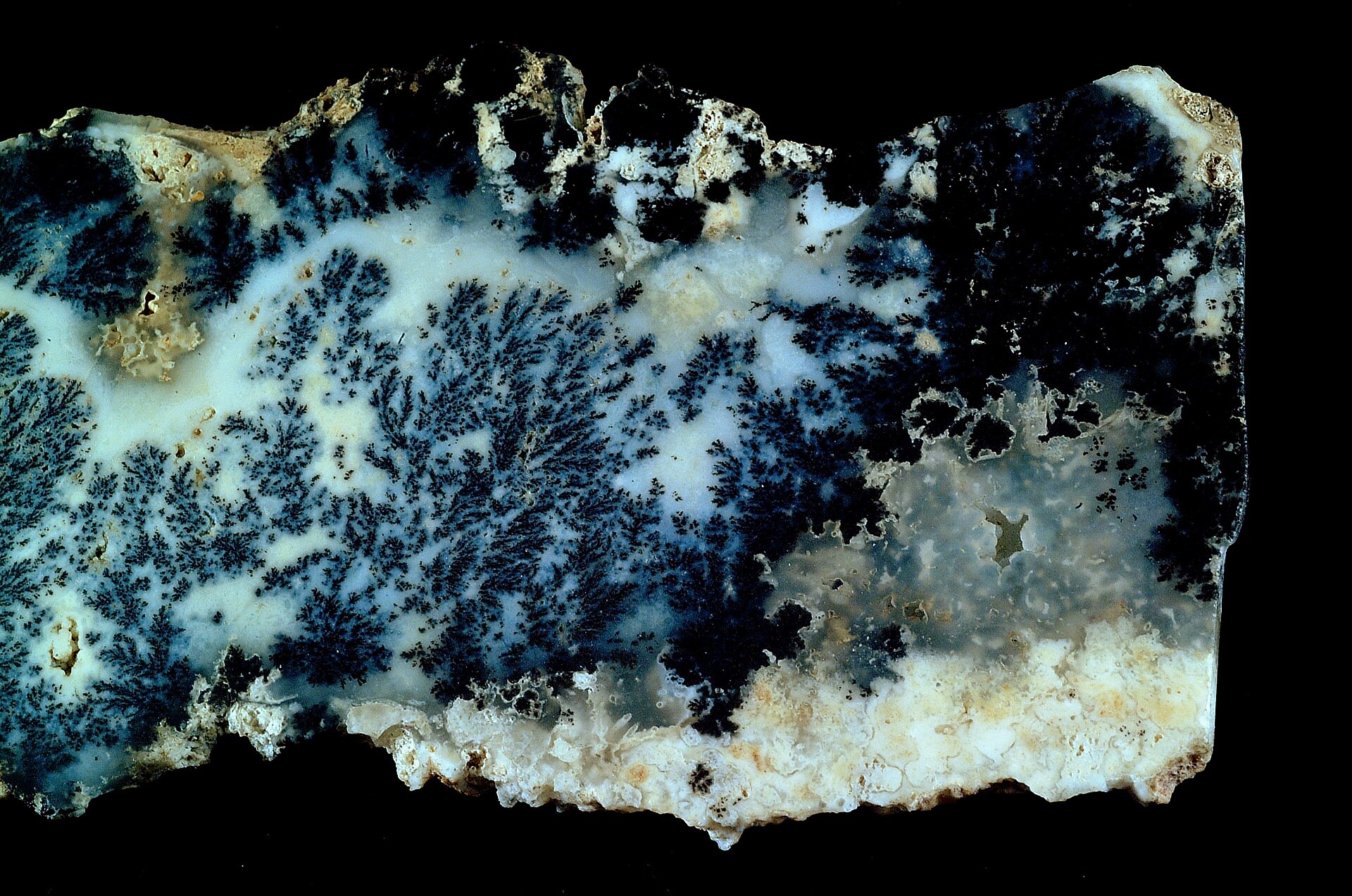
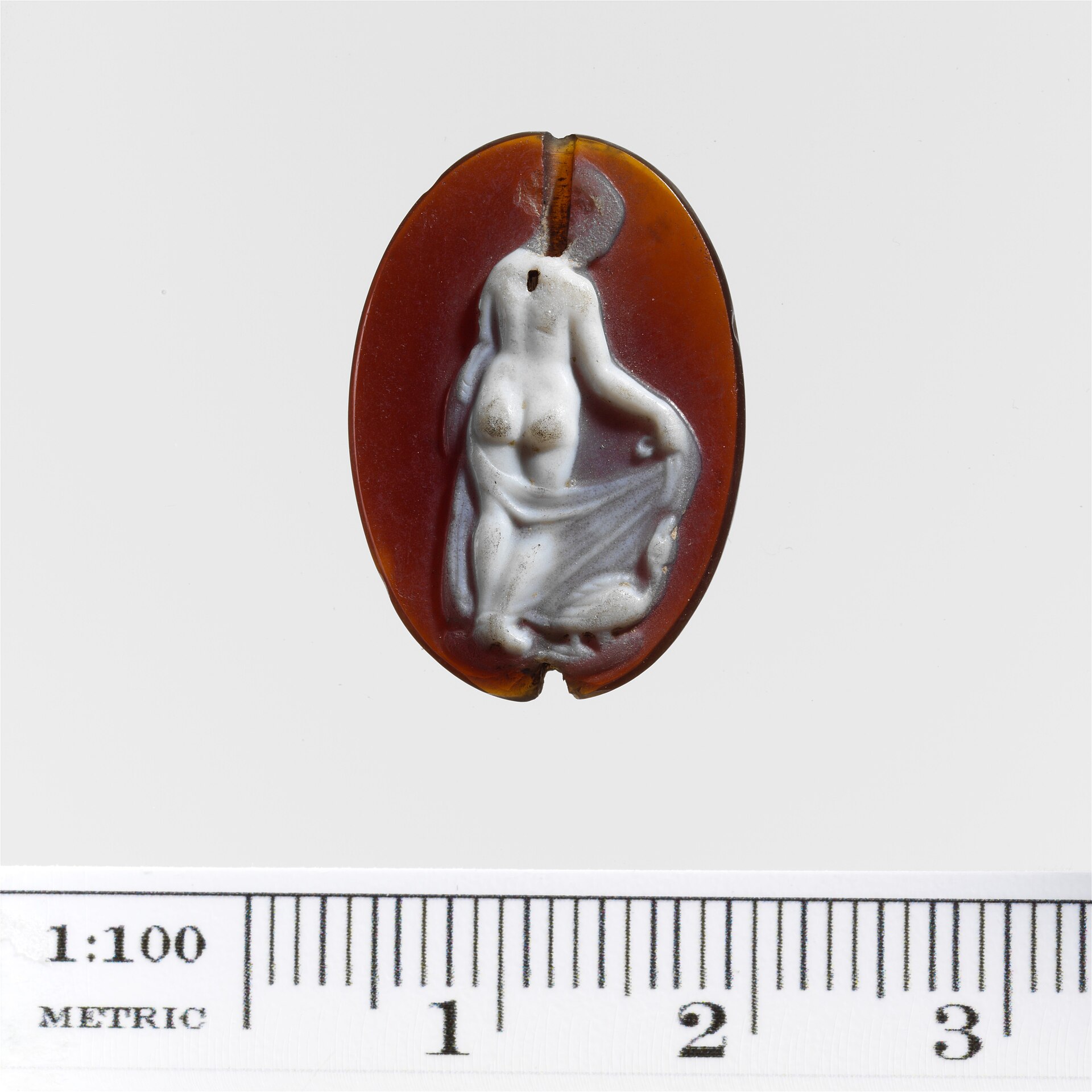
Same chemistry, different faces — trace impurities and how finely it crystallizes give a whole family of familiar stones.
How & Where It Forms
Most agate is born in basalt. Vast lava fields — Rio Grande do Sul in Brazil, Artigas in Uruguay, the Deccan Traps of India — cooled with billions of gas cavities. Silica-rich groundwater, heated and mineral-laden, entered the pockets and precipitated chalcedony in rhythmic layers over thousands to millions of years.
Agate also fills cracks in weathered rock, grows in sedimentary nodules, and replaces fossils and wood cell by cell. Erosion frees the nodules — tougher than their host rock — which is why famous stones like Montana's moss agate and Minnesota's Lake Superior agate are collected from riverbeds and beaches.
Often grows alongside:
What It’s Used For
How to Identify It
Cut or break it: concentric banding plus translucency at the edges is agate. It scratches glass (hardness ~7), shows no cleavage, and fractures with a waxy conchoidal surface.
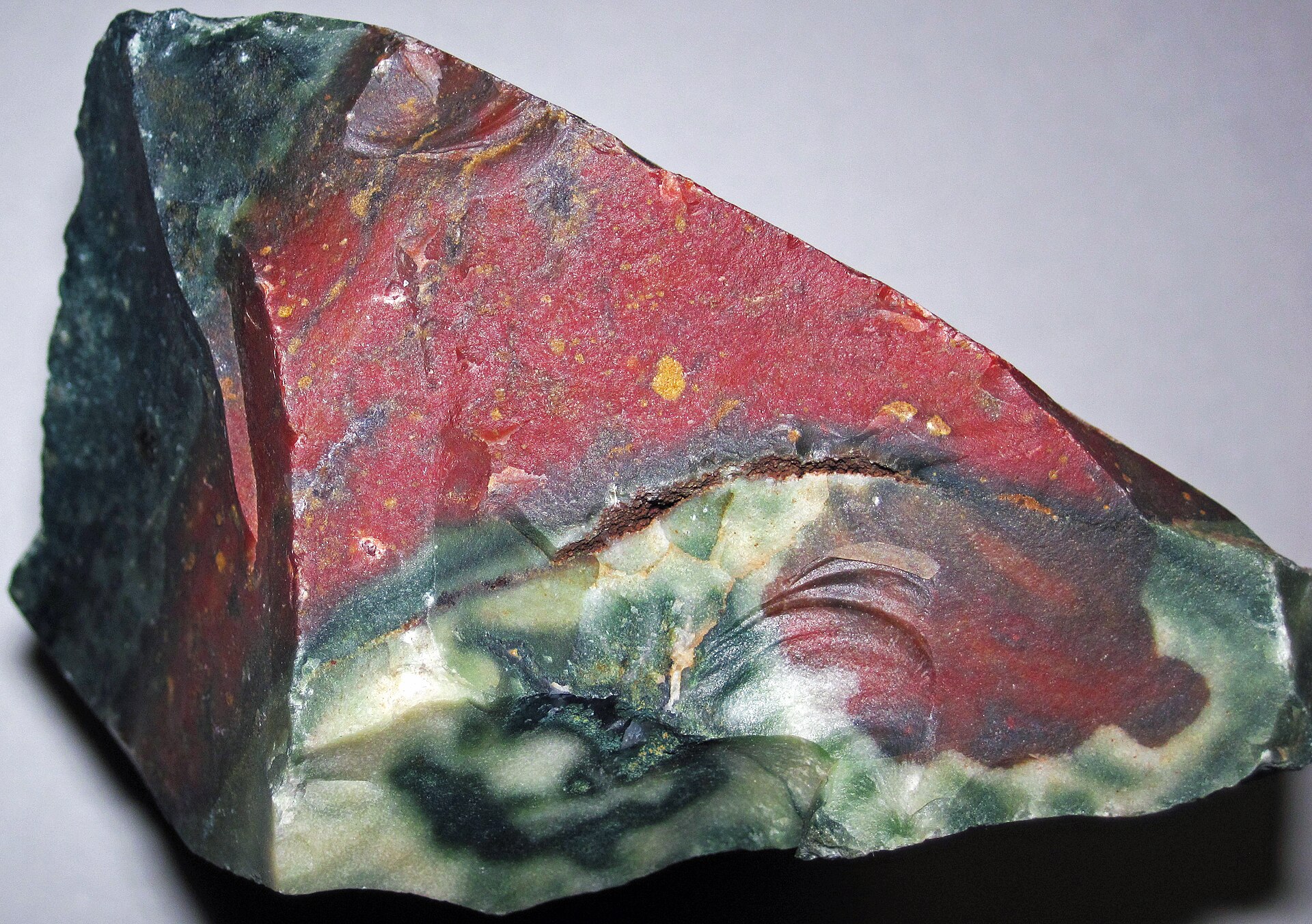
Jasper is the closest lookalike — but jasper is opaque; hold it to the light. Banded calcite sold as ‘onyx-marble’ is far softer and fizzes in dilute acid; opal is softer still and shows play-of-color rather than banding.
| Looks like… | But differs because… | Quick test |
|---|---|---|
| Jasper | Jasper is opaque; agate lets light through at its edges | Backlight it |
| Calcite | Banded ‘onyx-marble’ calcite is much softer (3) and fizzes in dilute acid | Acid & scratch |
| Opal | Opal is softer (5.5–6.5), lighter and shows play-of-color rather than banding | Hardness |
Where It’s Found
Notable localities for fine specimens:
Gallery
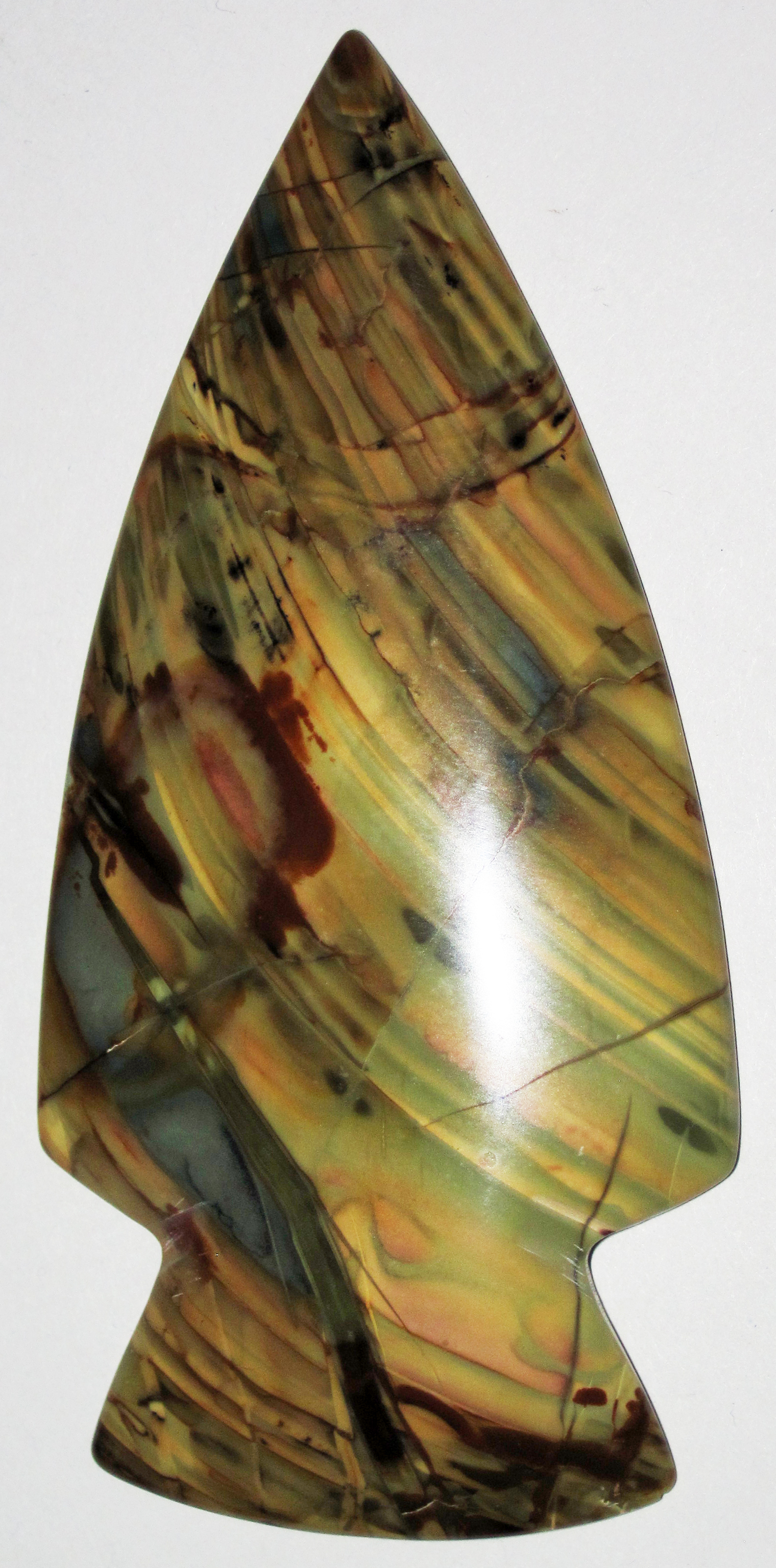
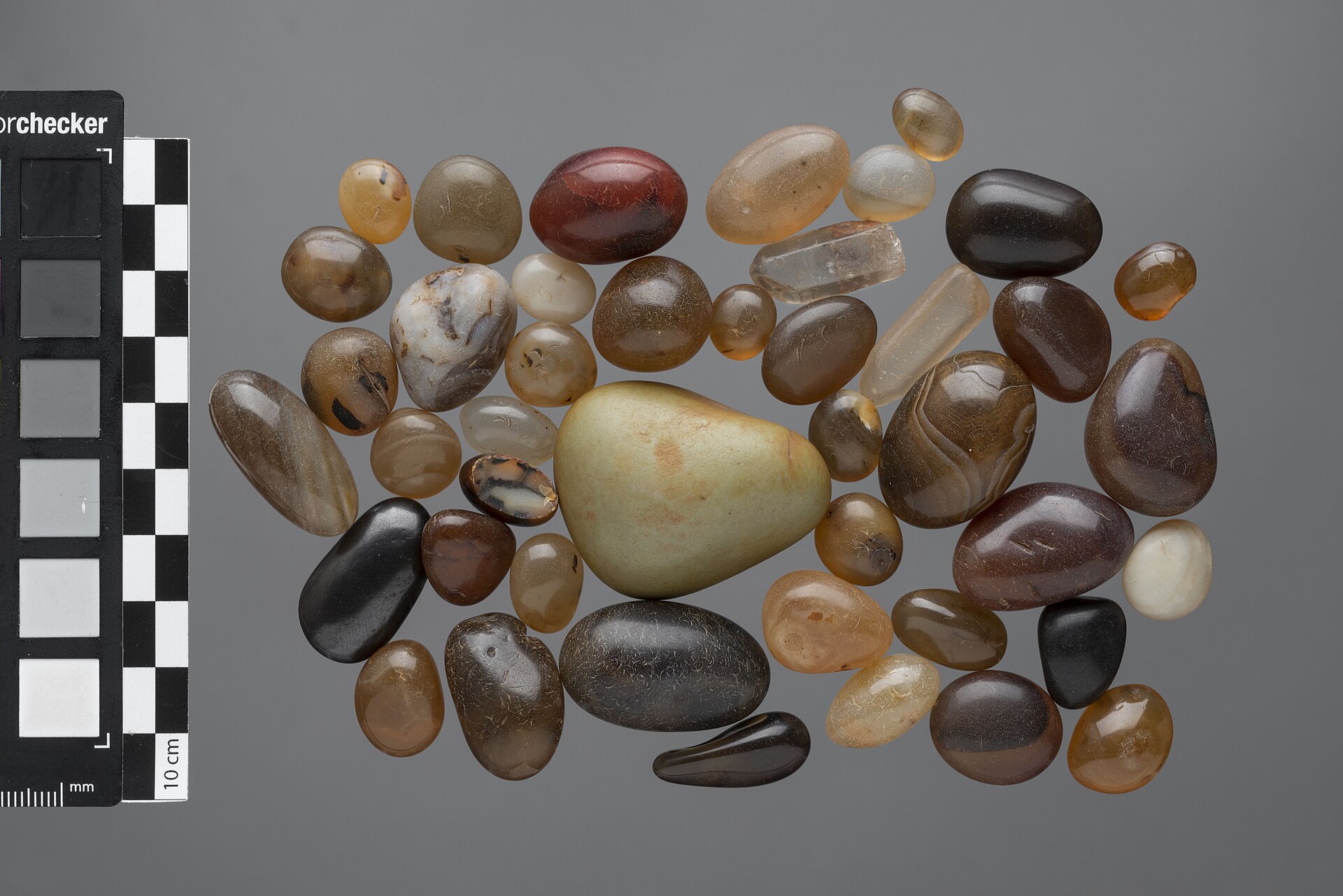
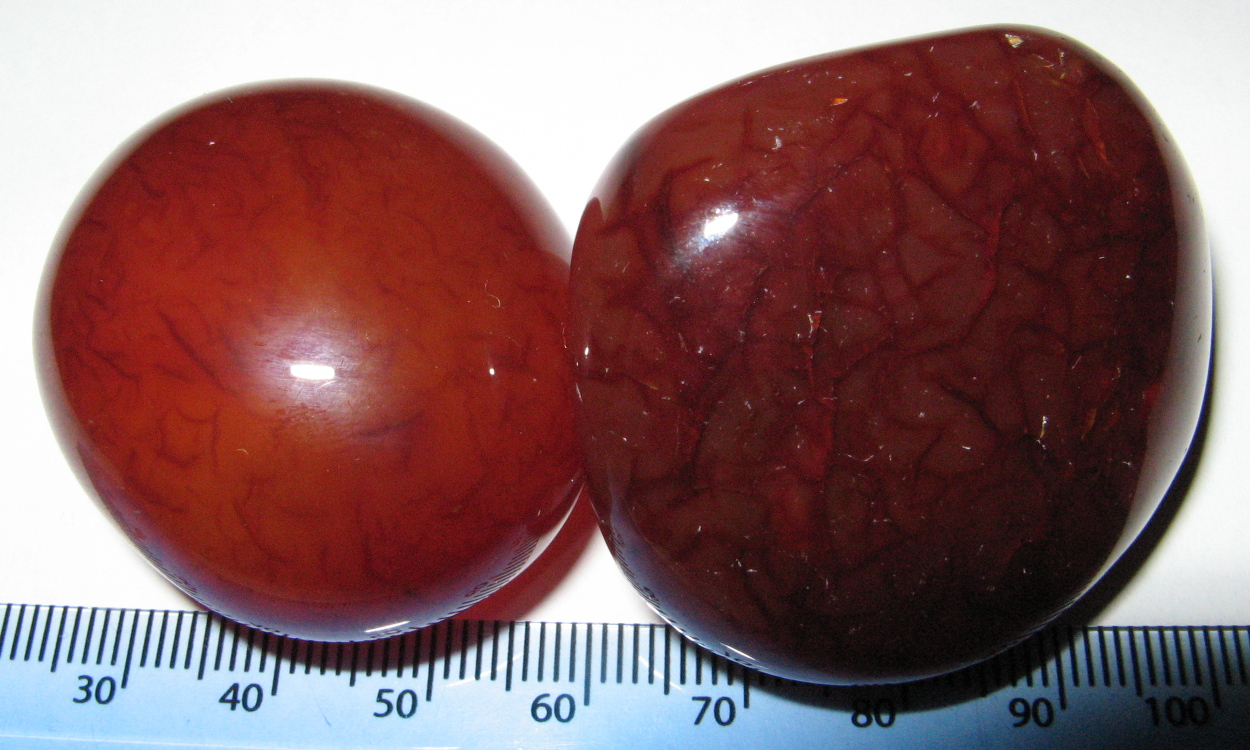
Photographs from Wikimedia Commons contributors — click a credit on the main image for the source and license.
Related Minerals
Others in the same family and minerals it commonly grows alongside.
References & Further Reading
- Dana’s New Mineralogy, 8th ed. Silica group, tectosilicates.
- Mindat.org — Agate mineral data and locality records.
- Wikipedia — Agate.
Last reviewed 2026-09-14 · How to cite this page.