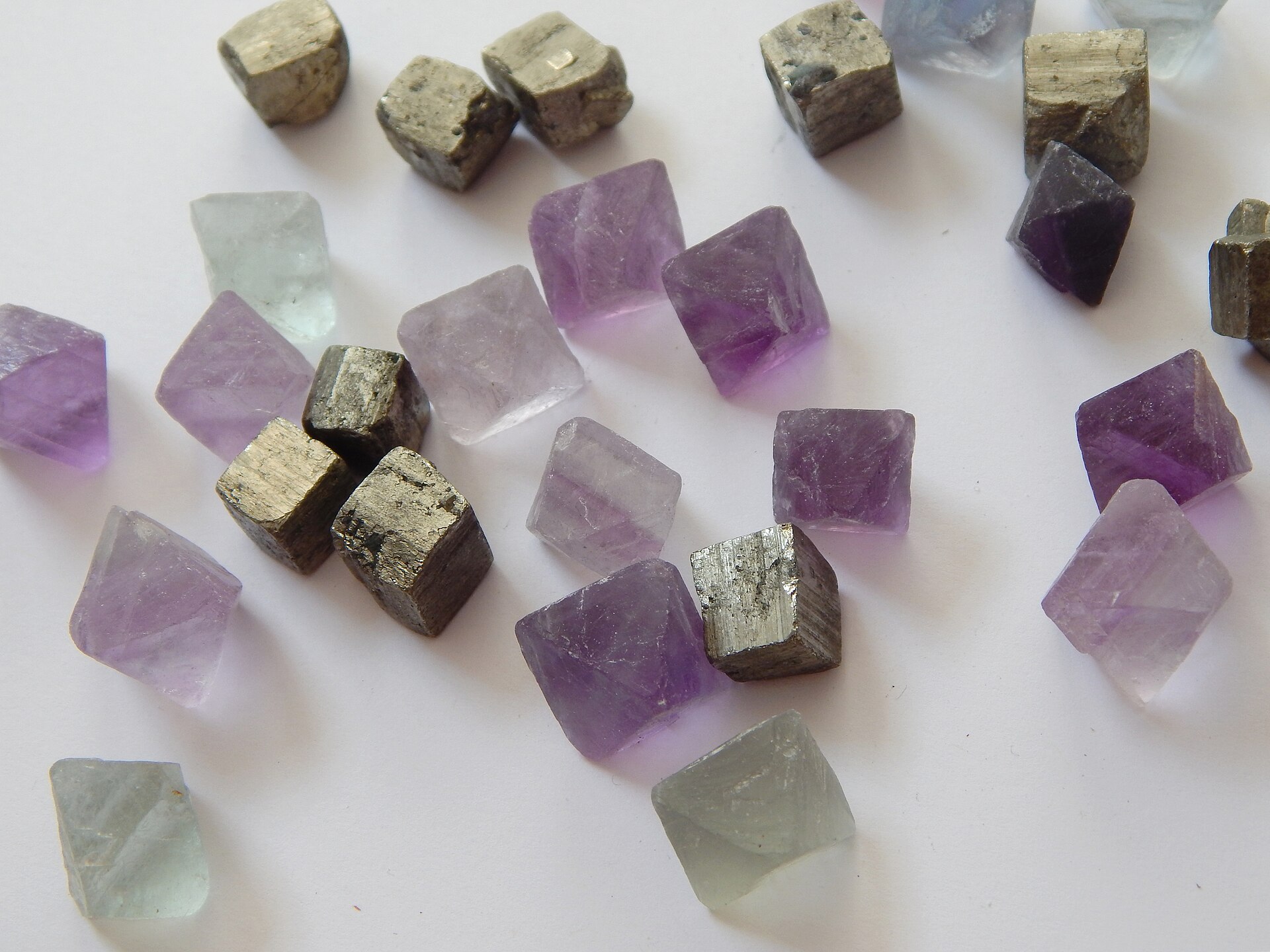
Purple fluorite cubes — the classic habit of the world’s most colorful mineral — Photo: Amy M Lavine · CC BY-SA 4.0
What is Fluorite?
Fluorite is calcium fluoride — CaF₂ — a soft, glassy mineral famous for two things: an astonishing range of colors and a literal glow. Under ultraviolet light many specimens shine violet-blue; the phenomenon fluorescence was named after this mineral.
It crystallizes as perfect cubes — sometimes two cubes interpenetrating like a three-dimensional star — and it cleaves into octahedra, so the ‘fluorite octahedrons’ sold in gift shops are cleaved, not cut. Colors run from purple and green to yellow, blue and colorless, often banded within a single crystal; Derbyshire’s purple-and-white banded variety is the prized Blue John.
Fluorite is also an industrial workhorse: as fluorspar it is the world’s main source of fluorine for hydrofluoric acid, refrigerants and PTFE, and a flux in steelmaking.
Physical Properties
The full data table is in the panel alongside. Here’s what those numbers actually mean.
Octahedral cleavage. Fluorite splits perfectly along four directions, yielding eight-sided octahedra. Tap a cube just right and it breaks into smaller octahedra — a signature no common lookalike shares.
Fluorescence. Many specimens glow blue or violet in UV light, and some change color between shortwave and longwave lamps. A few (‘chlorophane’) glow faintly green when simply warmed in the hand.
Color. No mineral shows a wider natural palette. The colors come from trace rare-earth elements, radiation-induced color centers and microscopic inclusions — often laid down in bands that record the chemistry of each growth stage.
Softness. Fluorite is the Mohs 4 standard: a steel knife scratches it, but a fingernail and a copper coin do not.
How & Where It Forms
Fluorite precipitates from fluorine-bearing hydrothermal fluids, filling veins and fissures — often alongside the lead and zinc sulfides galena and sphalerite. The great Mississippi Valley-type deposits of Illinois and Kentucky formed exactly this way, as warm brines moved through limestone.
It also occurs in granites, greisens and pegmatites, and around hot springs. Sharp crystals need open space, so the finest pockets come from vein cavities where cubes could grow freely.
Often grows alongside:
What It’s Used For
How to Identify It
Hardness 4 plus four-way octahedral cleavage is decisive: scratch it with a knife, then look for flat faces meeting in octahedral geometry. Glassy cubes in purple or green are typical, and a UV lamp usually settles it — fluorite fluoresces where quartz and beryl do not. It never fizzes in acid, which separates it from calcite at a stroke.
| Looks like… | But differs because… | Quick test |
|---|---|---|
| Quartz | Far harder (7) with no cleavage; crystals are six-sided prisms | Knife test |
| Calcite | Softer (3), cleaves into rhombs not octahedra, and fizzes in acid | Drop of vinegar |
| Apatite | Harder (5), grows as six-sided prisms and lacks perfect cleavage | Scratch & shape |
| Beryl | Much harder (7.5–8), hexagonal prisms, no octahedral cleavage | Hardness |
Where It’s Found
Notable localities for fine specimens:
Gallery
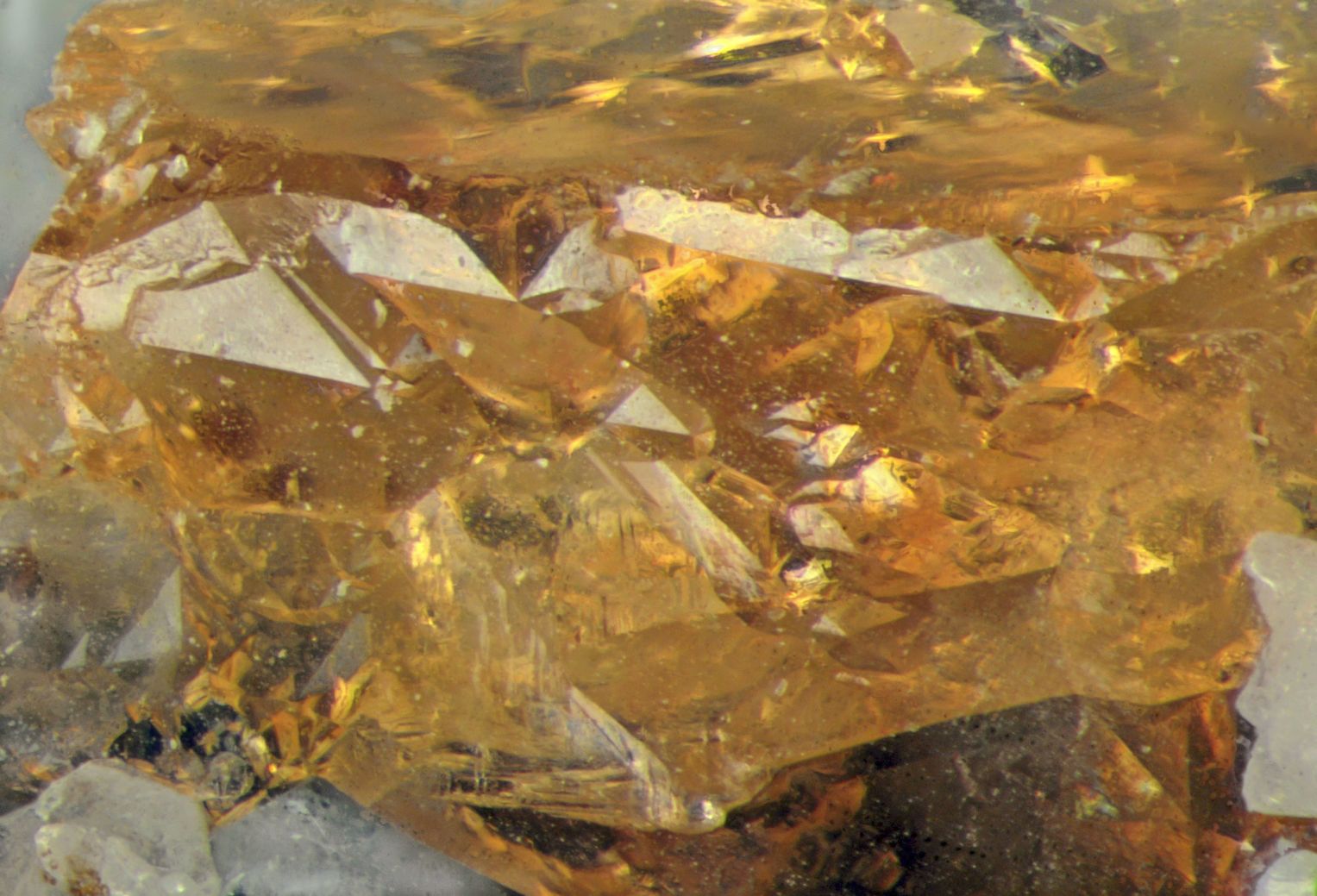
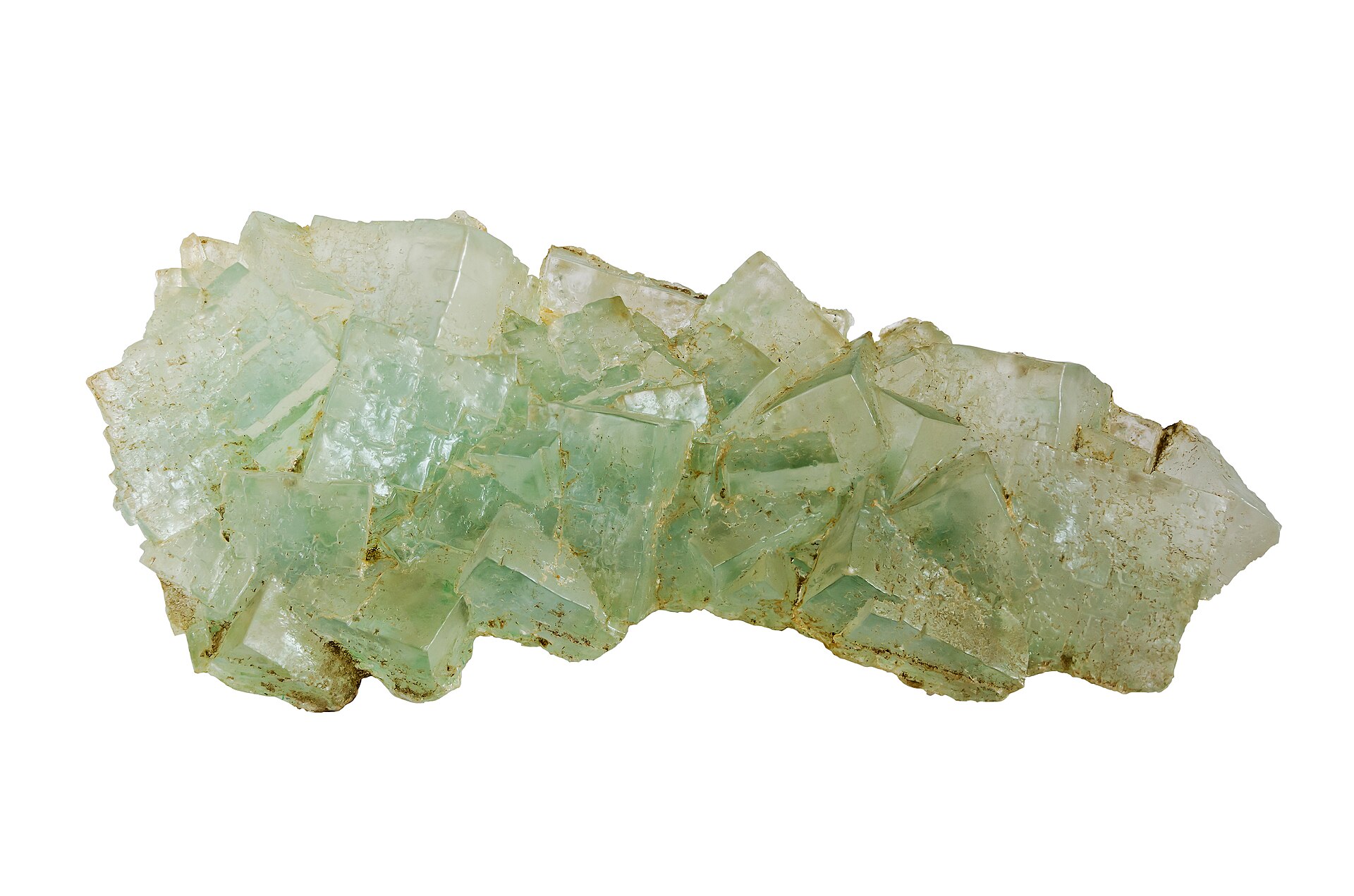
Photographs from Wikimedia Commons contributors — click a credit on the main image for the source and license.
Related Minerals
Others in the same family and minerals it commonly grows alongside.
References & Further Reading
- Dana’s New Mineralogy, 8th ed. Simple halides, fluorite group.
- Mindat.org — Fluorite mineral data and locality records.
- Wikipedia — Fluorite.
Last reviewed 2026-09-14 · How to cite this page.