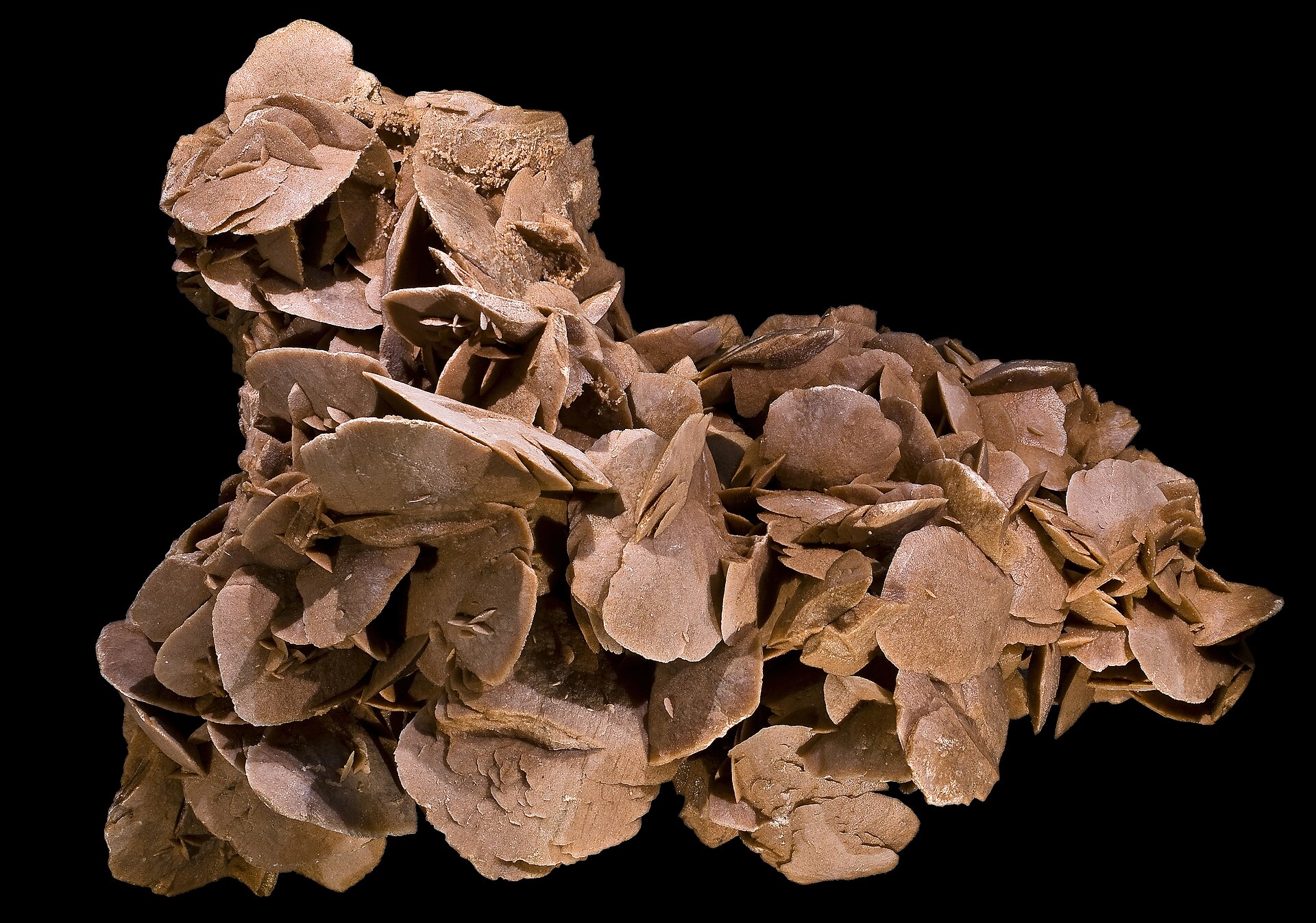
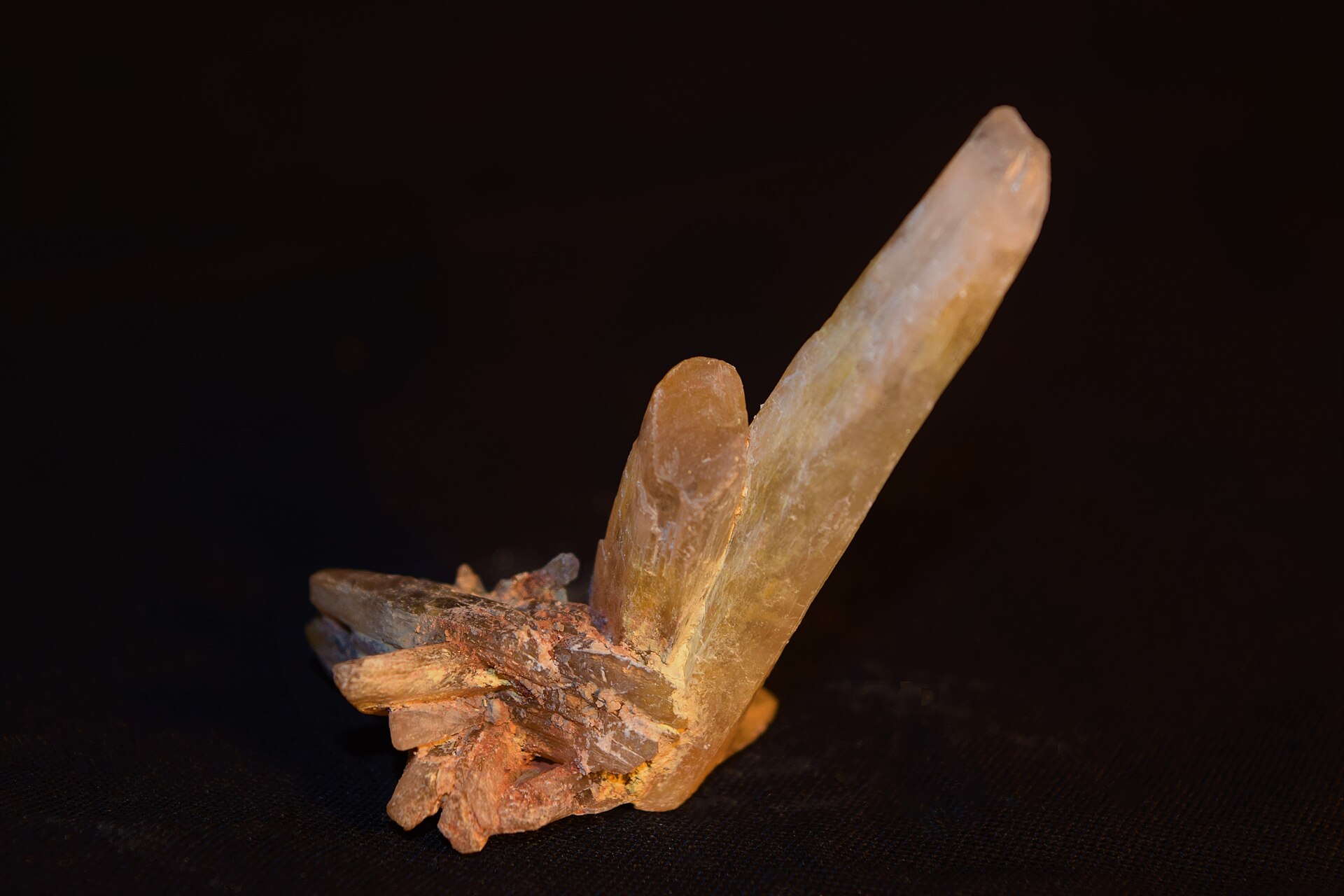
Baryte — golden tabular blades, the 'heavy spar' of hydrothermal veins — Photo: Didier Descouens · CC BY-SA 4.0
What is Baryte?
Baryte (spelled barite in the US) is barium sulfate — BaSO₄ — and the standard answer to the question 'why is this pale rock so heavy?' At SG ~4.5 it out-weighs quartz, calcite and most lookalikes by nearly double.
Chemists met it early: the phosphorescent 'Bologna stone' that puzzled 17th-century alchemists was baryte, and the element barium was later named after it. Today it is one of the most mined non-metallic minerals on Earth — almost none of it for collectors. Ground to powder, it is the weighting agent that keeps oil and gas wells under control.
For collectors it grows tabular blades, crested 'cock's-comb' clusters and, where sand grains get trapped inside, the rosettes called desert roses.
Physical Properties
The full data table is in the panel alongside. Here’s what those numbers actually mean.
Density. SG 4.3–4.6, roughly 70% heavier than quartz — barium is a big atom, and the name barys ('heavy') refers to exactly that. The 'heft test' is the classic field ID.
Cleavage and softness. Perfect basal and prismatic cleavages make flat, shiny breaks; Mohs 3–3.5 means a copper coin scratches it but a fingernail won't.
Chemical stubbornness. It won't dissolve in water or fizz in acid — the sulfate is locked up tight. That inertness is what makes it safe as an X-ray meal and reliable in drilling mud.
Habit. Tabular crystals flattened on {001}, prismatic blades, crested aggregates, granular 'barytes' rock, and sand-filled rosettes.
How & Where It Forms
Baryte crystallizes from hydrothermal fluids as the main gangue mineral of lead-zinc-silver and fluorite veins, and it precipitates directly from seawater and evaporating brines into bedded deposits. Cold groundwater can also grow it in sandstone pores — that's the origin of desert roses.
Because it is insoluble and chemically tough, baryte survives weathering and concentrates in residual deposits where other minerals have washed away.
Often grows alongside:
What It’s Used For
How to Identify It
Heft first: pick it up — if a pale, softish mineral feels like metal ore, think baryte. Confirm with a white streak, flat perfect cleavage, no reaction to acid, and a coin-scratch test. A green flame on a splinter seals it.
| Looks like… | But differs because… | Quick test |
|---|---|---|
| Celestine | Strontium sulfate, same structure but lighter (SG ~4.0) and often blue; gives a crimson flame, not green | Flame test & heft |
| Calcite | Much lighter, effervesces in cold acid, and cleaves as rhombs | Acid test |
| Anglesite | Heavier still (SG ~6.3), adamantine luster, restricted to oxidized lead deposits | Heft & context |
| Gypsum | Softer — scratched by a fingernail — and much lighter | Fingernail scratch |
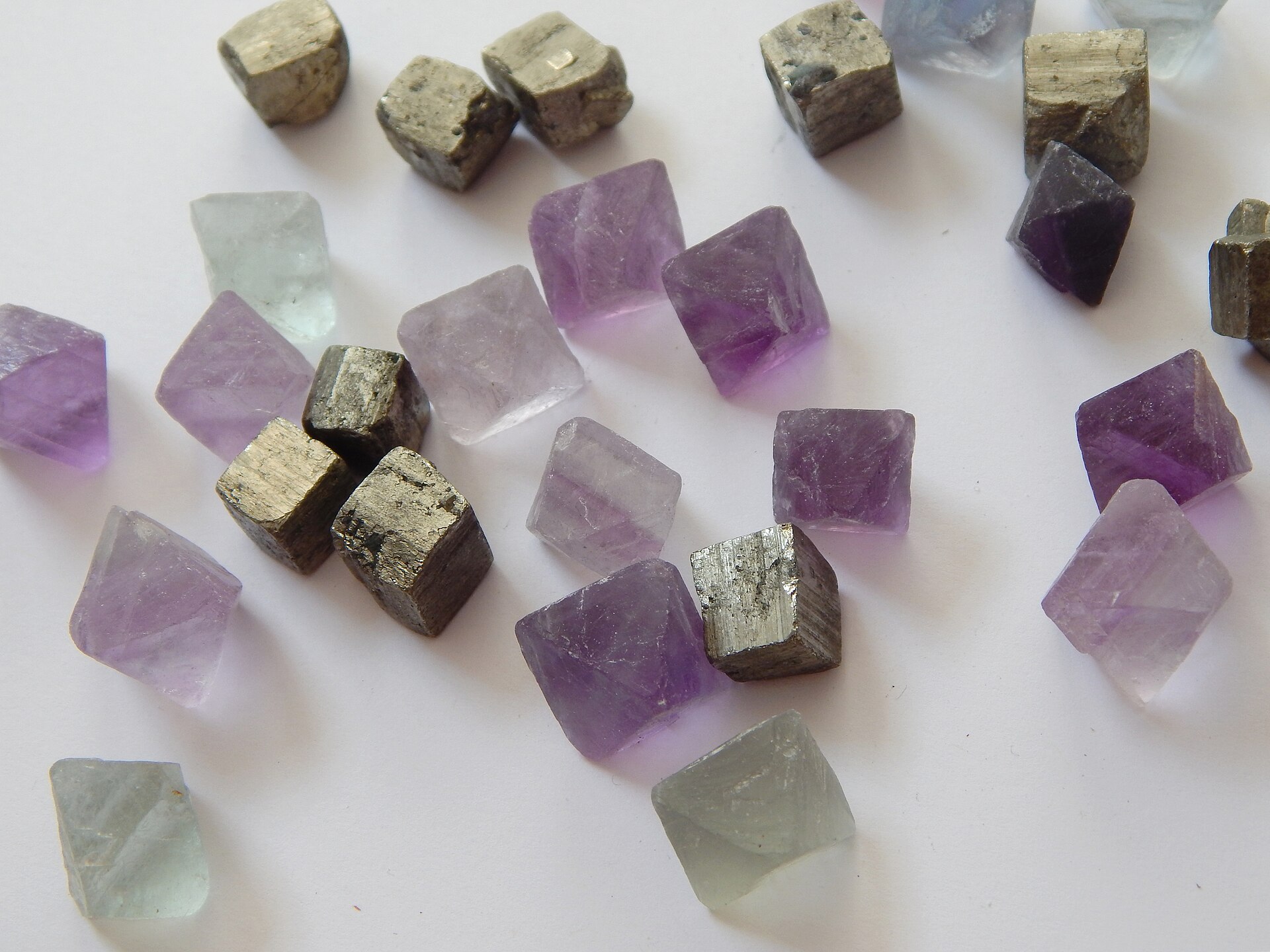
| Fluorite | Harder (4) with four-direction octahedral cleavage and less weight | Cleavage |
Where It’s Found
Notable localities for fine specimens:
Gallery
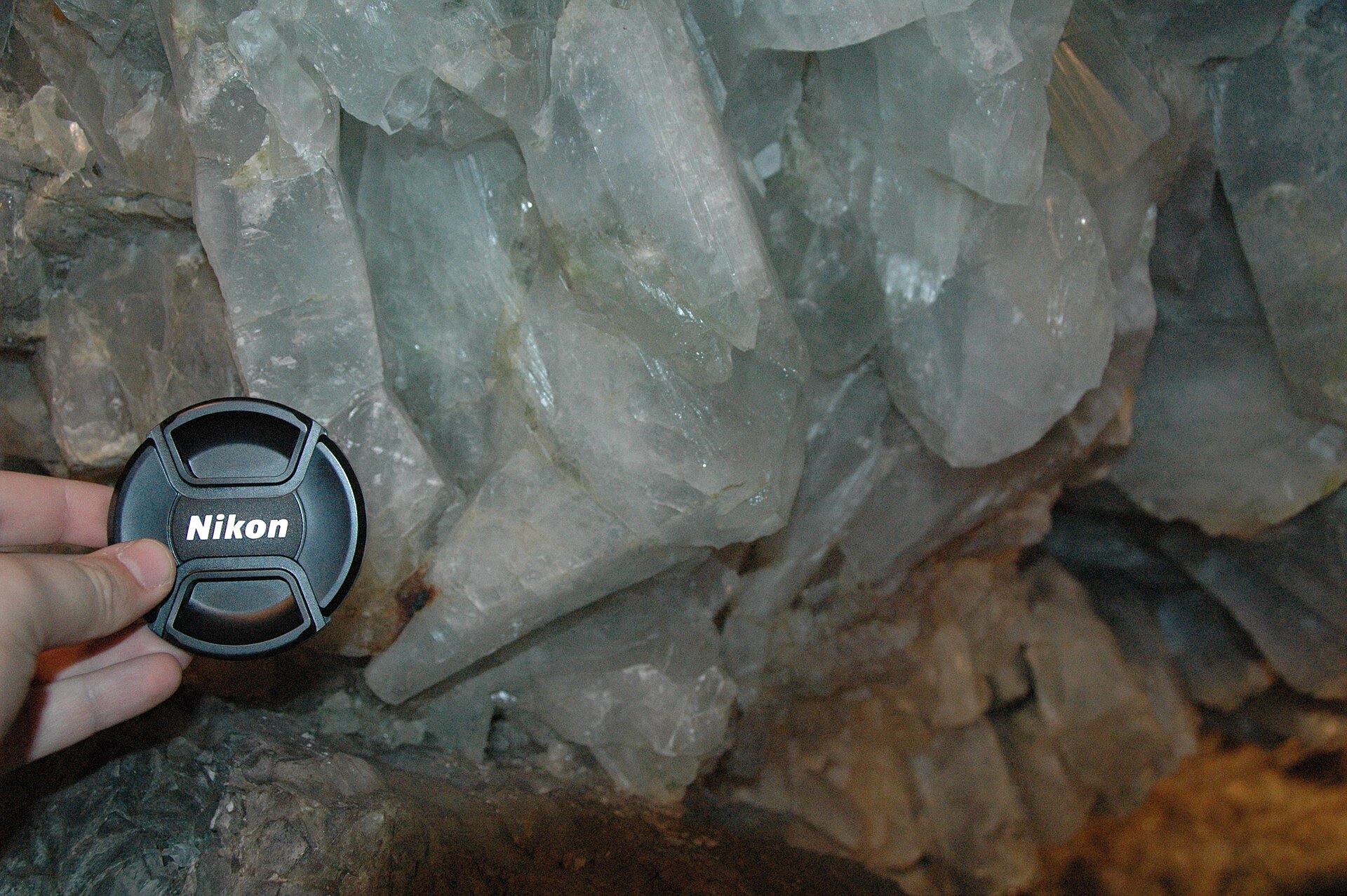
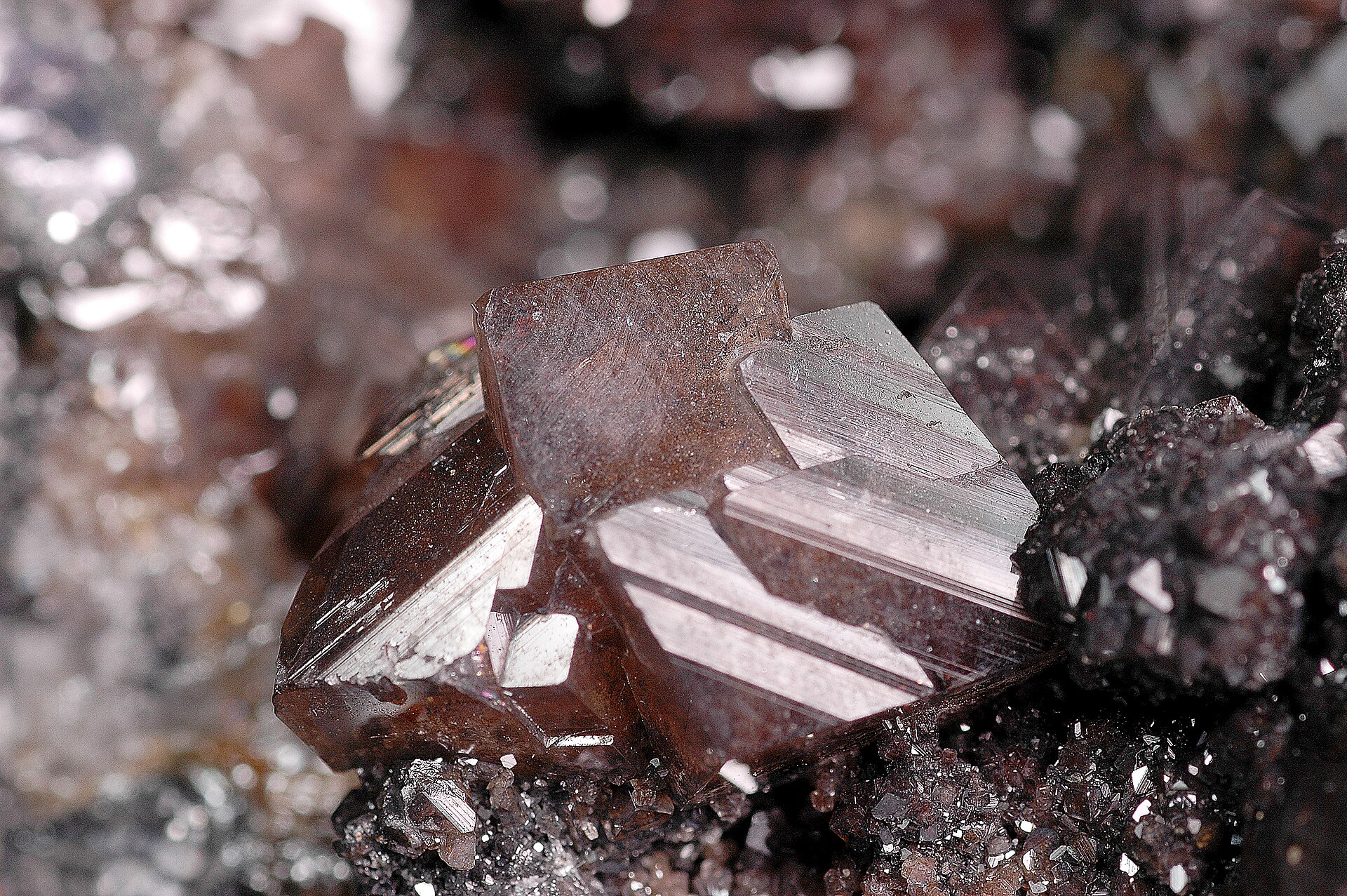
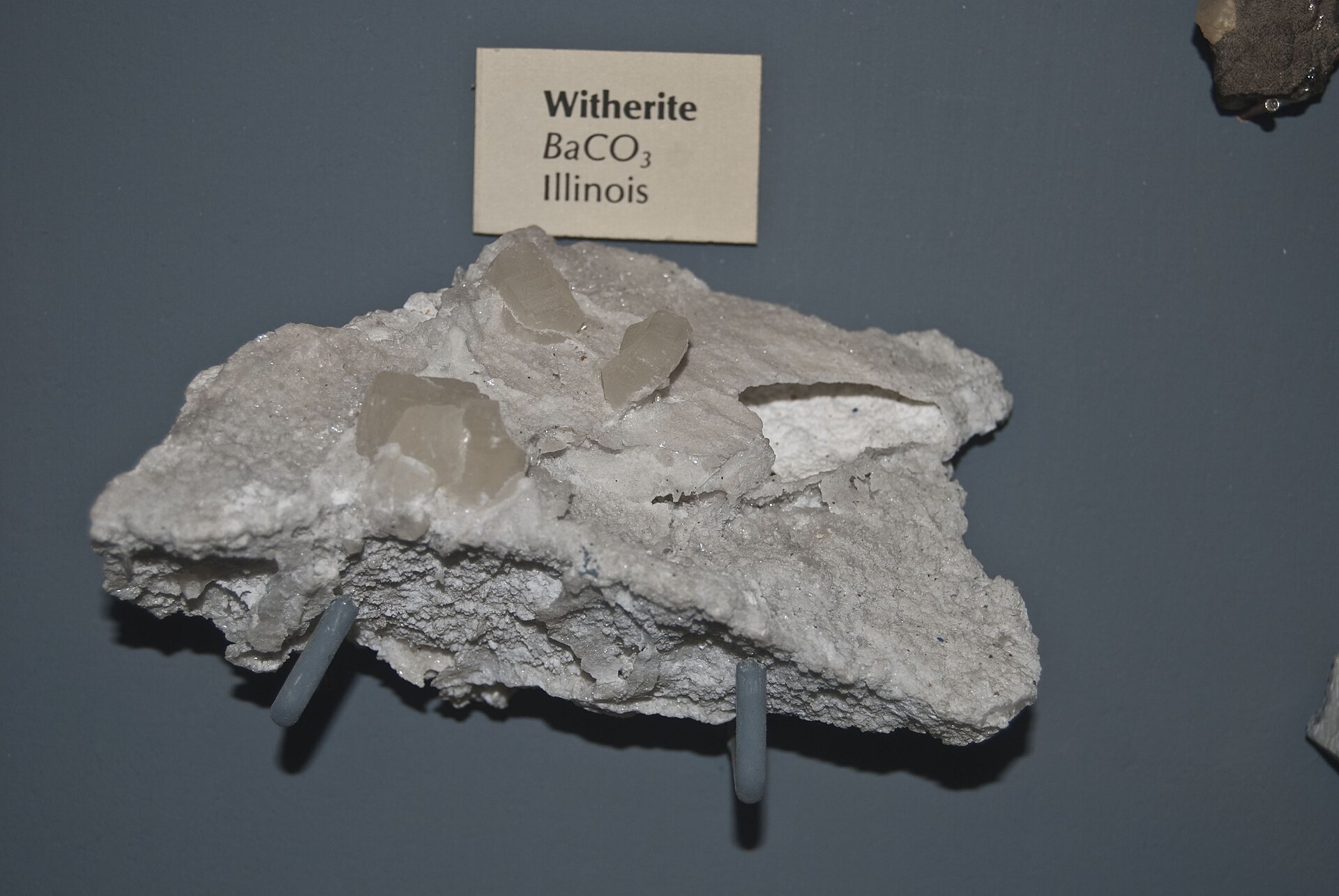
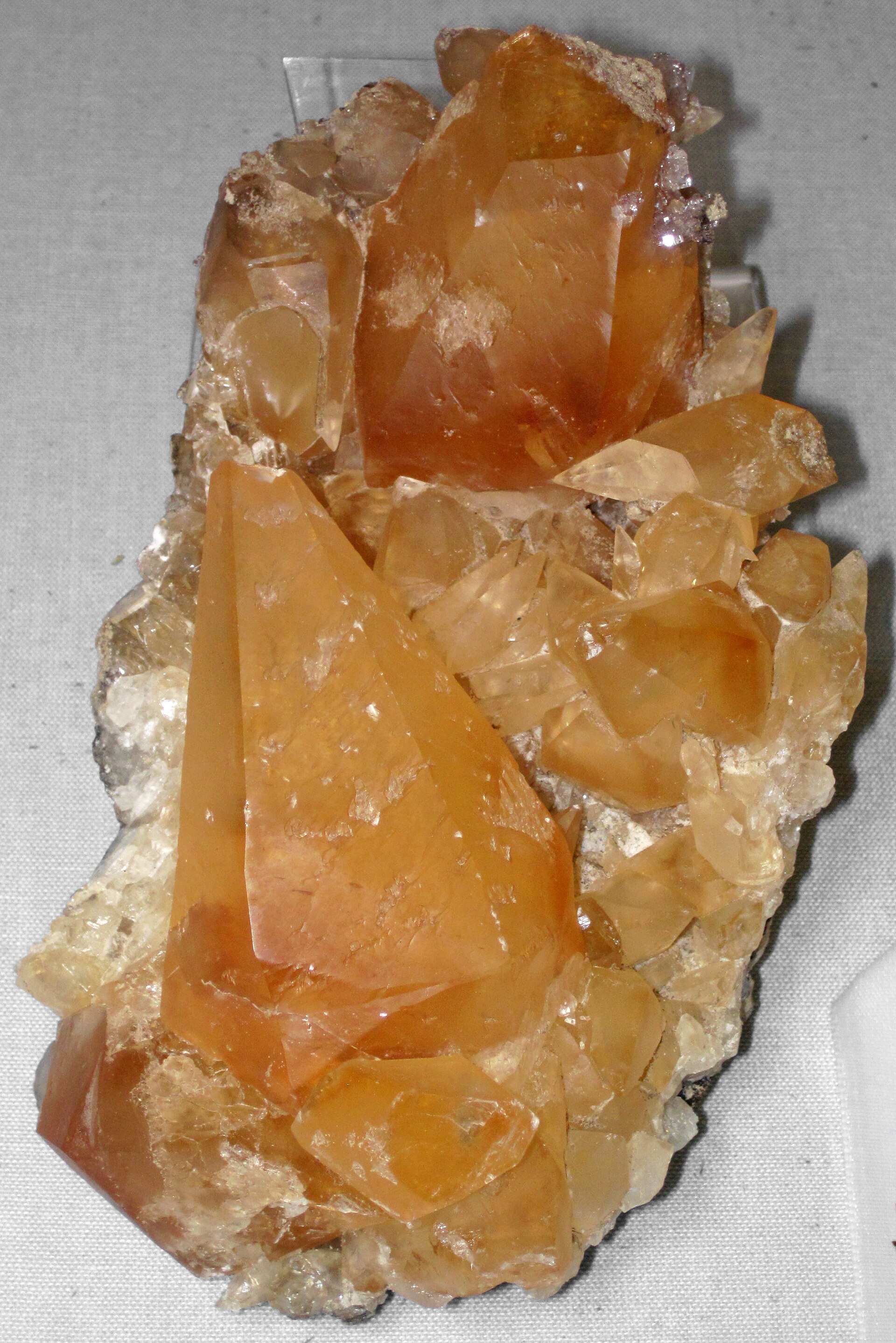
Photographs from Wikimedia Commons contributors — click a credit on the main image for the source and license.
Related Minerals
Others in the same family and minerals it commonly grows alongside.
References & Further Reading
- Dana's New Mineralogy, 8th ed. Anhydrous sulfates, baryte group.
- Mindat.org — Baryte mineral data and locality records.
- Wikipedia — Baryte.
Last reviewed 2026-09-14 · How to cite this page.