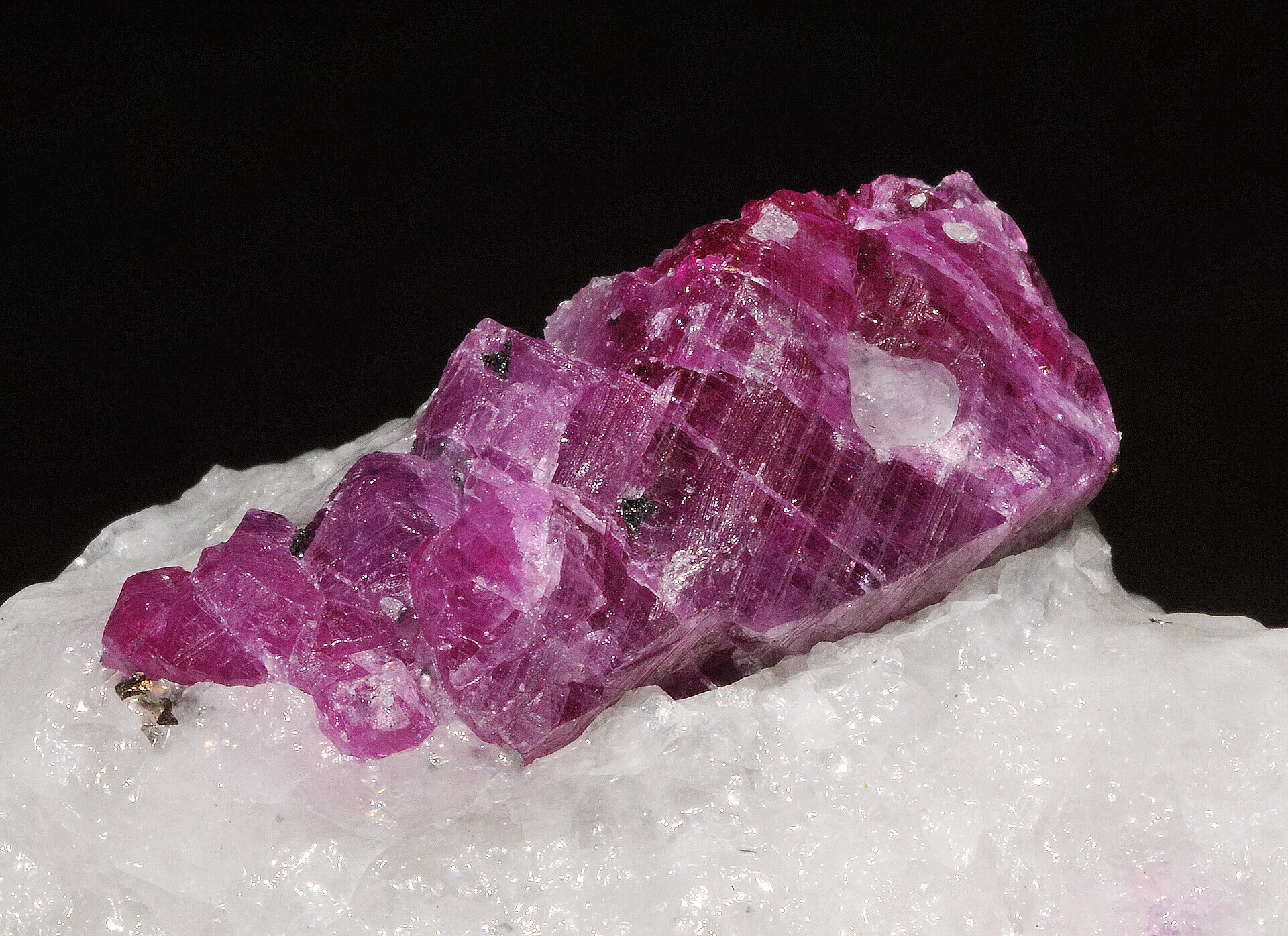
Ruby crystals in white marble — the classic Mogok habit — Photo: Parent Géry · CC BY-SA 3.0
What is Ruby?
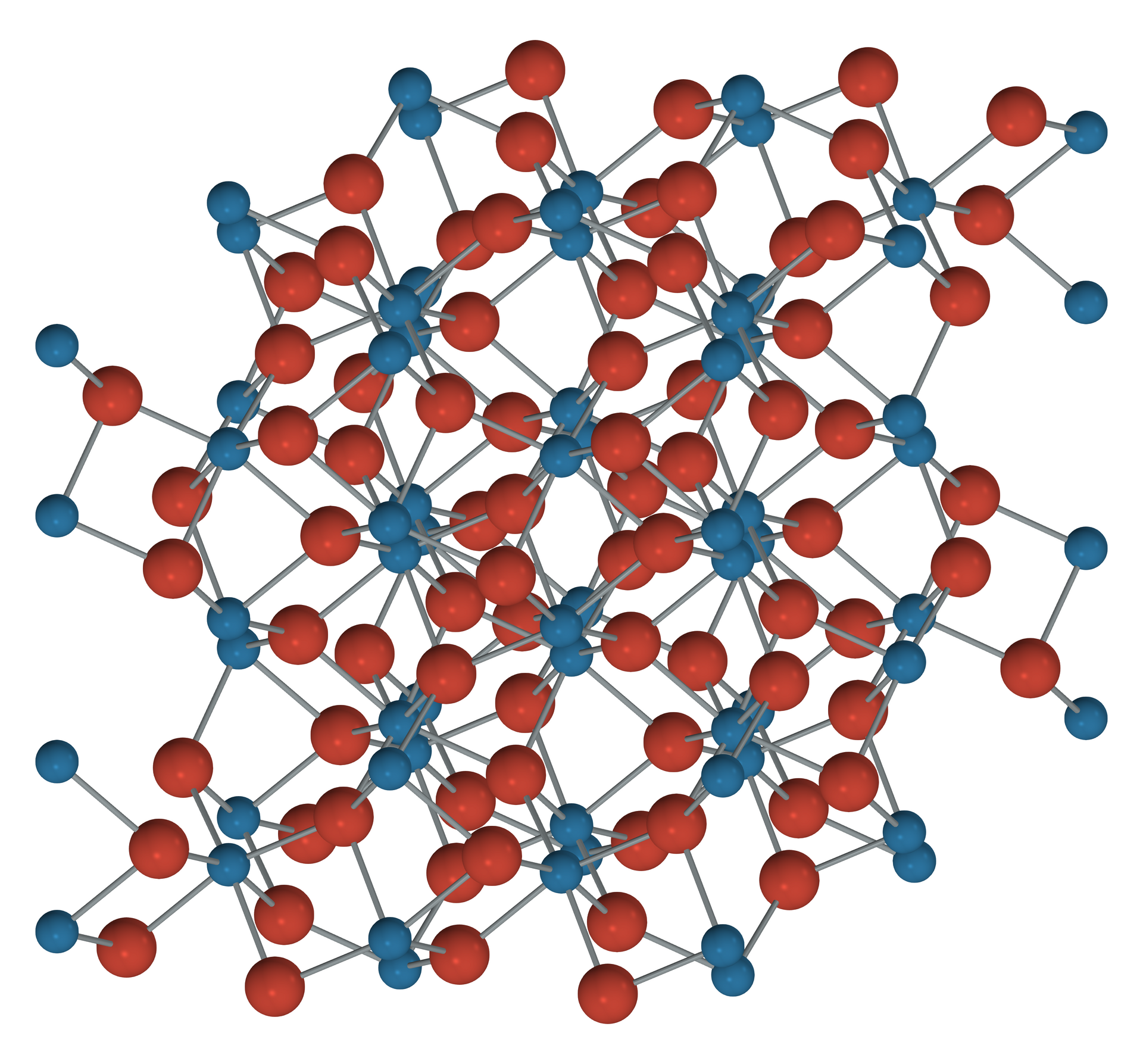
Ruby is the red variety of corundum — aluminium oxide, Al₂O₃, the very same mineral as sapphire. Swap a little chromium in for aluminium and the crystal turns from colorless to the most celebrated red in the gem world.
Only red corundum earns the name; pinker stones are sold as pink sapphire, and where ‘pink’ ends and ‘ruby’ begins is a famous gem-lab argument. The finest color — a pure, slightly bluish red called pigeon’s blood — comes from the marble mines around Mogok, Myanmar.
Ruby is the July birthstone and, carat for carat, top untreated ruby is among the most expensive gems on Earth.
Physical Properties
The full data table is in the panel alongside. Here’s what those numbers actually mean.
Color and fluorescence. Cr³⁺ replacing Al³⁺ produces the red — and makes ruby fluoresce crimson under UV and even in daylight. That inner glow is why fine rubies seem lit from within.
Hardness. At 9 on the Mohs scale, the corundum family is the hardest naturally occurring mineral after diamond — a ruby ring shrugs off scratches that would scar other gems.
No true cleavage. Corundum has no cleavage, but repeated atomic layers (lamellar twinning) let it part along {0001} and {1011} — a useful clue on rough.
Optics. Uniaxial negative, RI ~1.76–1.77, with strong pleochroism — orangy-red one direction, purplish-red the other. Dense rutile ‘silk’ inside a crystal can produce a six-rayed star: the star ruby.
How & Where It Forms
Ruby forms where aluminium-rich rock is squeezed and heated with very little silica — conditions that favor Al₂O₃ over silicate minerals. The classic host is marble: limestone recrystallized during mountain-building, as at Mogok, Luc Yen and Jegdalek.
A second style is delivered from depth inside volcanic basalt (Thailand, Australia). Rivers then concentrate the durable crystals into gem gravels — the workings of Sri Lanka and Myanmar — where ruby turns up alongside spinel and sapphire.
Often grows alongside:
What It’s Used For
How to Identify It
Hardness 9 and strong red fluorescence separate ruby from most red gems. Red spinel — history’s great impostor, for the ‘Black Prince’s Ruby’ in the British crown is spinel — is singly refractive, slightly softer, and glows more weakly. Red garnet shows neither pleochroism nor fluorescence. Under a loupe, fine rutile silk or twin-plane parting confirms corundum.
| Looks like… | But differs because… | Quick test |
|---|---|---|
| Spinel | The great impostor (the ‘Black Prince’s Ruby’ is spinel) — singly refractive, softer (7.5–8), weaker fluorescence | Polariscope |
| Garnet | Singly refractive — no dichroism — and no red UV glow | UV light |
| Tourmaline | Softer (7–7.5), pyroelectric, different refractive index | Refractometer |
| Zircon | Red ‘hyacinth’ zircon is softer (7.5), far denser, and shows strong facet doubling | Loupe & heft |
Where It’s Found
Notable localities for fine specimens:
Gallery
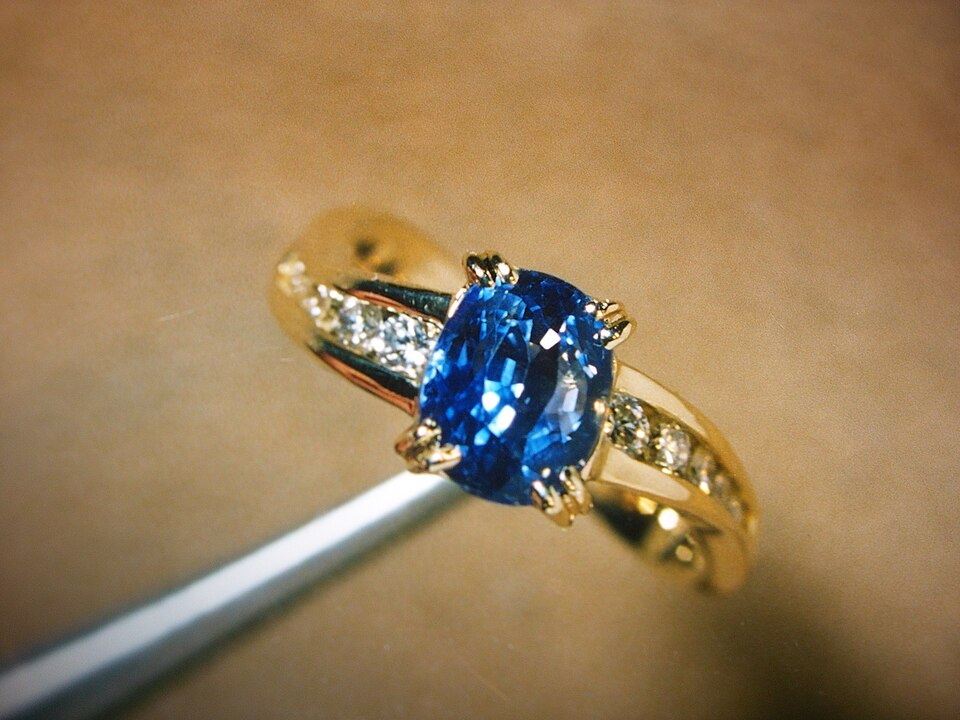
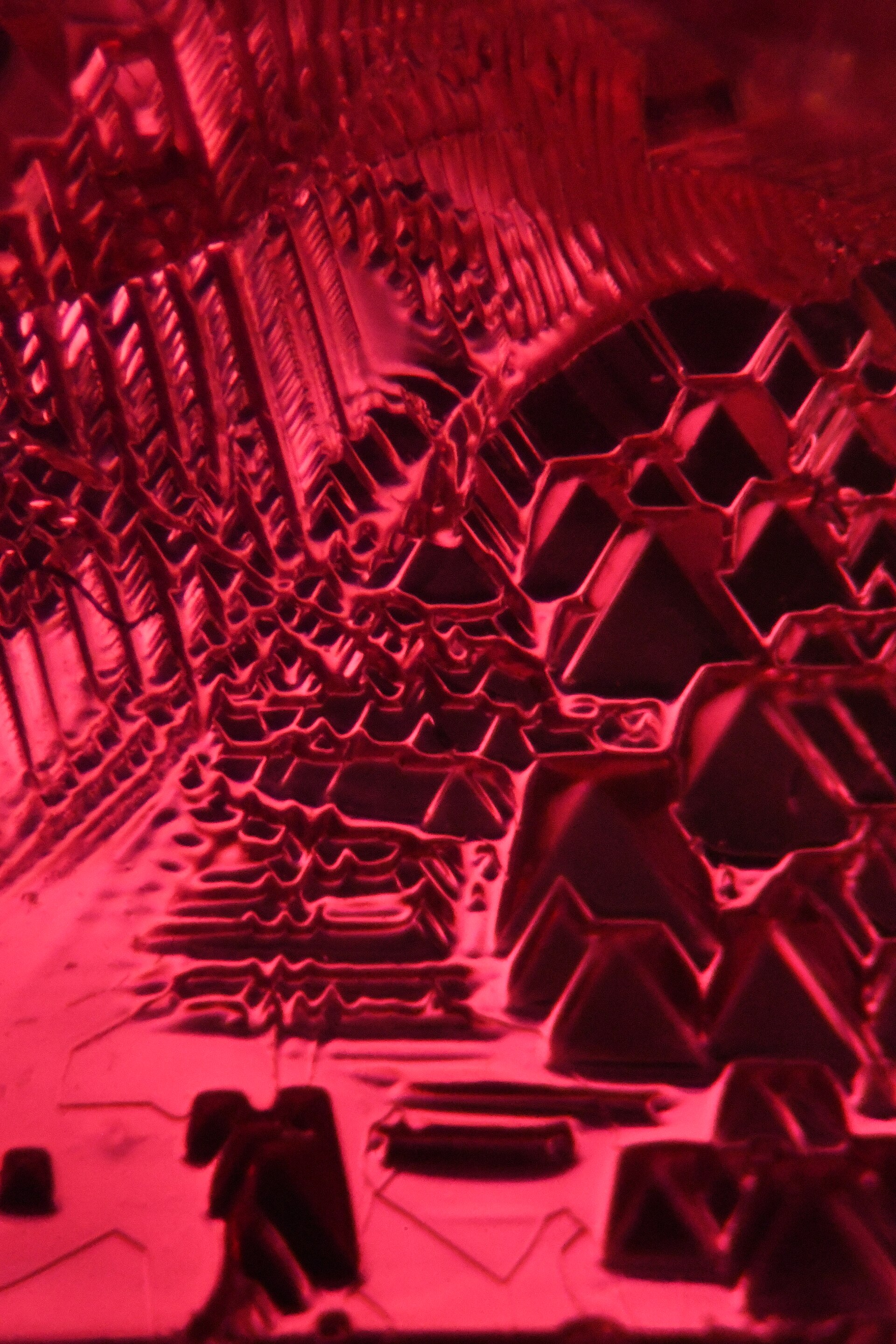
Photographs from Wikimedia Commons contributors — click a credit on the main image for the source and license.
Related Minerals
Others in the same family and minerals it commonly grows alongside.
References & Further Reading
- Dana’s New Mineralogy, 8th ed. Corundum group, simple oxides.
- Mindat.org — Ruby variety data and locality records.
- Wikipedia — Ruby.
Last reviewed 2026-09-14 · How to cite this page.