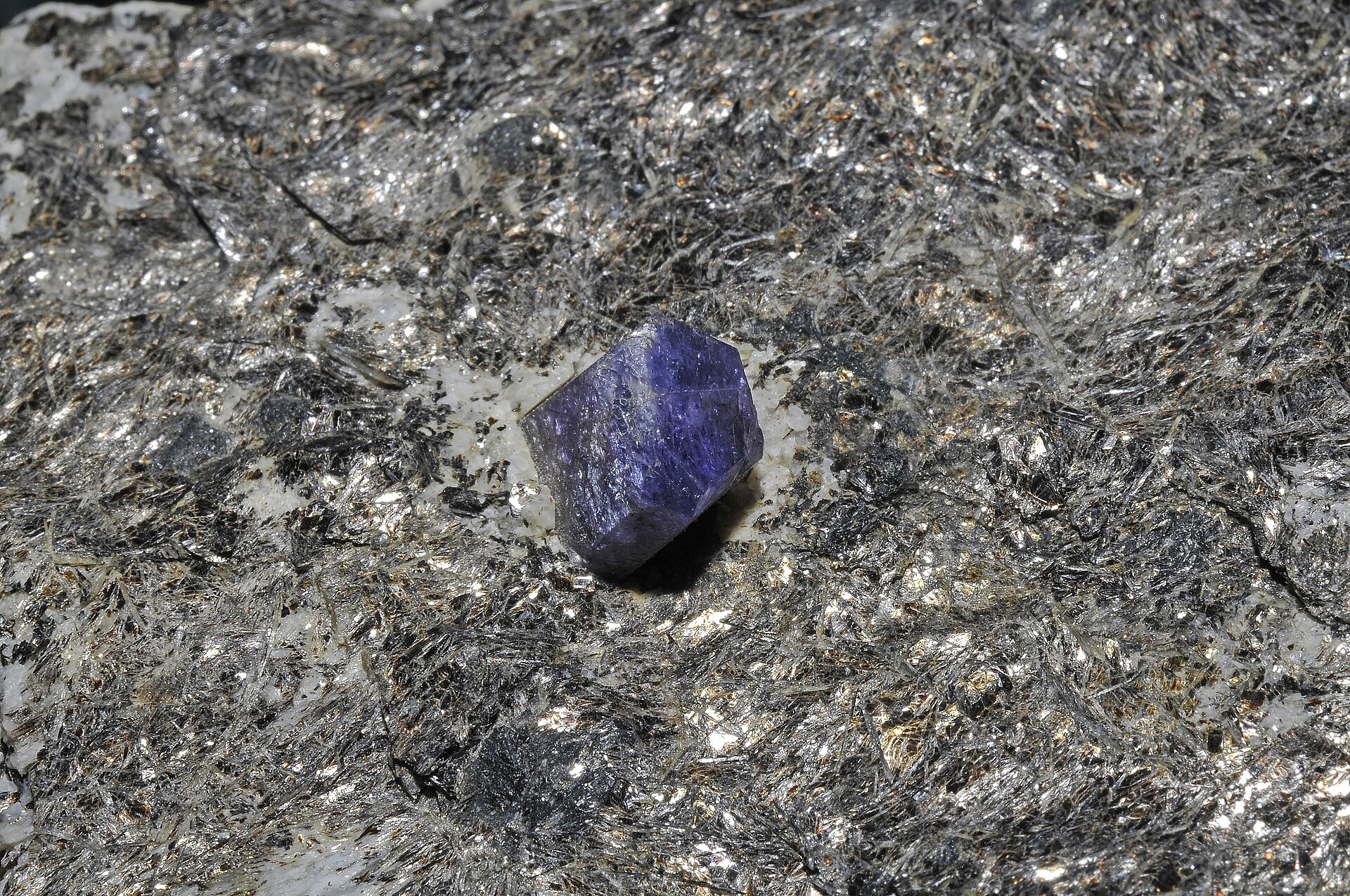
A black biotite book peeling into bronze-edged sheets — Photo: Parent Géry · CC BY-SA 3.0
What is Biotite?
Biotite is the dark one of the mica family — the black, flaky sheets glinting in granite countertops and the bent pages of schist. Chemically it is written K(Mg,Fe)₃(AlSi₃O₁₀)(OH)₂: the same stacked silicate sandwich as muscovite, but with magnesium and iron filling the middle layer instead of aluminium. That iron is what turns the sheets black.
Strictly speaking, biotite is not a single mineral species but a solid-solution series — a continuous recipe in which magnesium and iron swap freely. The all-magnesium end is phlogopite (amber-brown, common in marbles and carbonatites); the all-iron end is annite (jet black, named for Cape Ann, Massachusetts). Most natural biotite sits between them, and older labels like siderophyllite and eastonite mark the aluminium-rich branches. Field geologists still write ‘biotite’ for the whole dark-mica crowd.
It is one of the most abundant minerals of the continents — and one of the handiest. Its potassium makes it a built-in radiometric clock, and weathered biotite is the ancestor of vermiculite, the popped golden granules in potting soil.
Physical Properties
The full data table is in the panel alongside. Here’s what those numbers actually mean.
Sheets and springs. Like all micas, biotite has a perfect basal cleavage: potassium ions hold the silicate layers so weakly that crystals split into paper-thin leaves. The flakes are flexible and elastic — bend one and it snaps back flat, unlike the creasing sheets of chlorite.
Color and iron. The more iron, the darker the flake: phlogopite shows amber and coppery browns, iron-rich biotite reads as glossy black. Under the microscope thin flakes are strongly pleochroic — swinging from pale yellow to deep brown as they rotate.
Softness. Only 2.5–3 on the Mohs scale, about a copper coin. Dense for a mica (SG 2.8–3.4) because of the iron.
Members
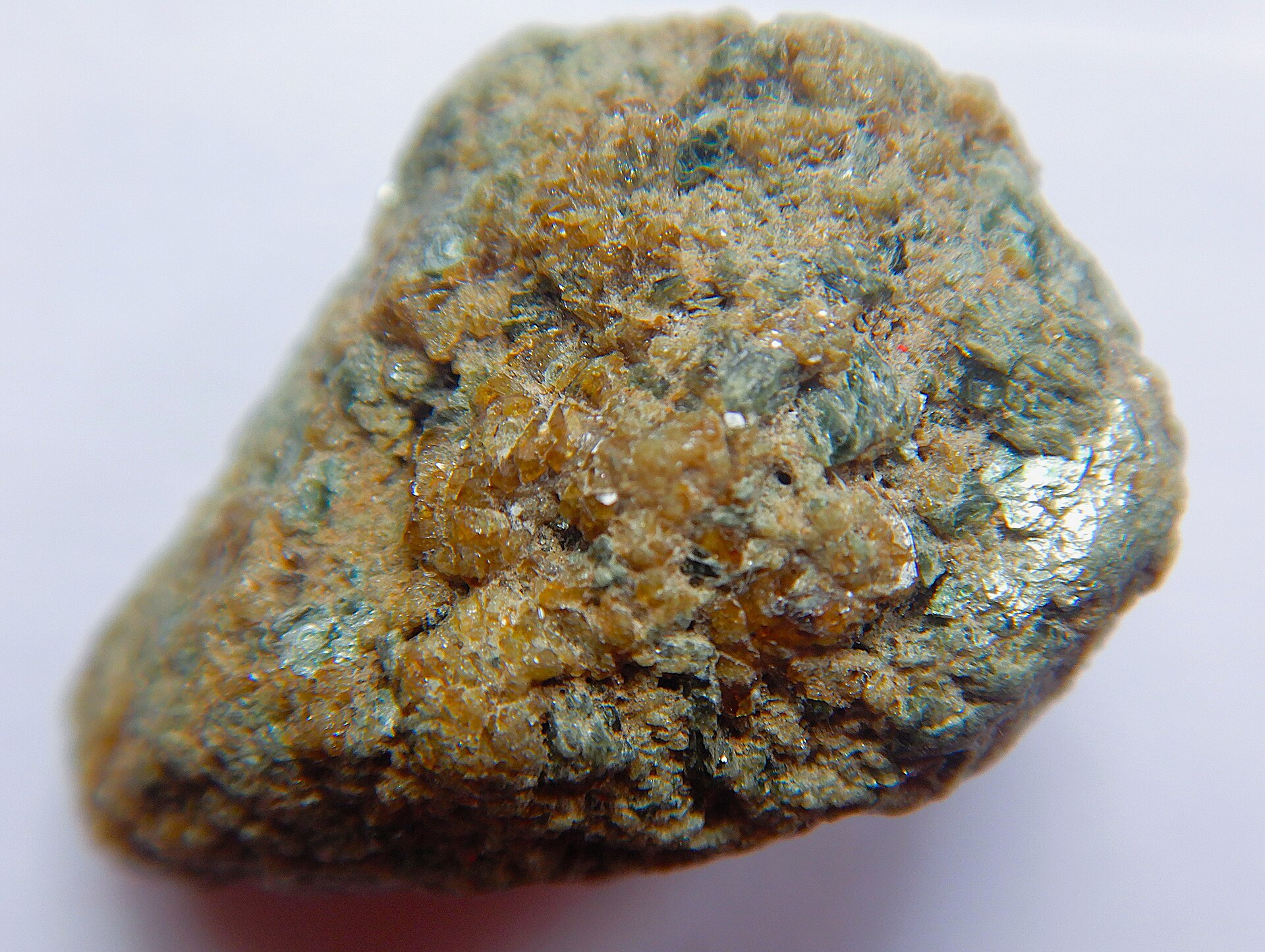
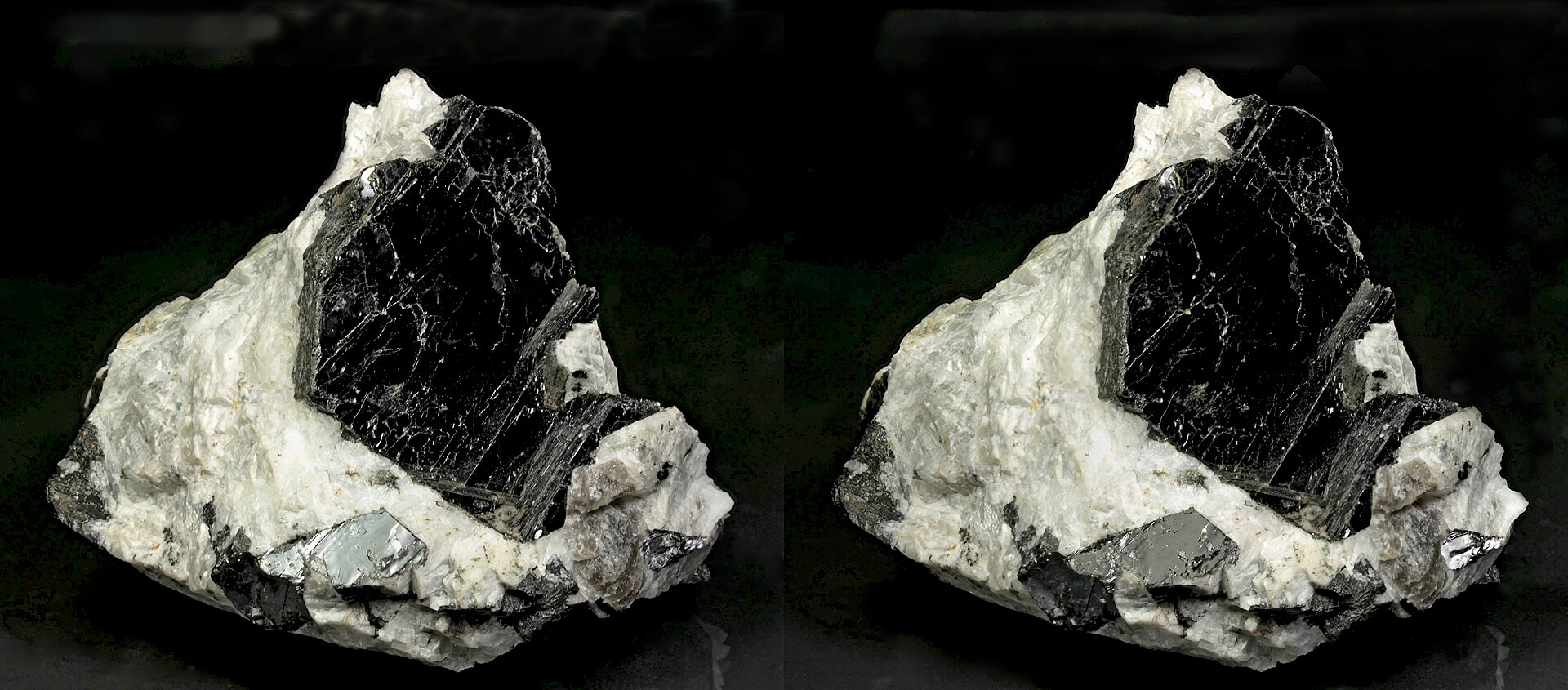
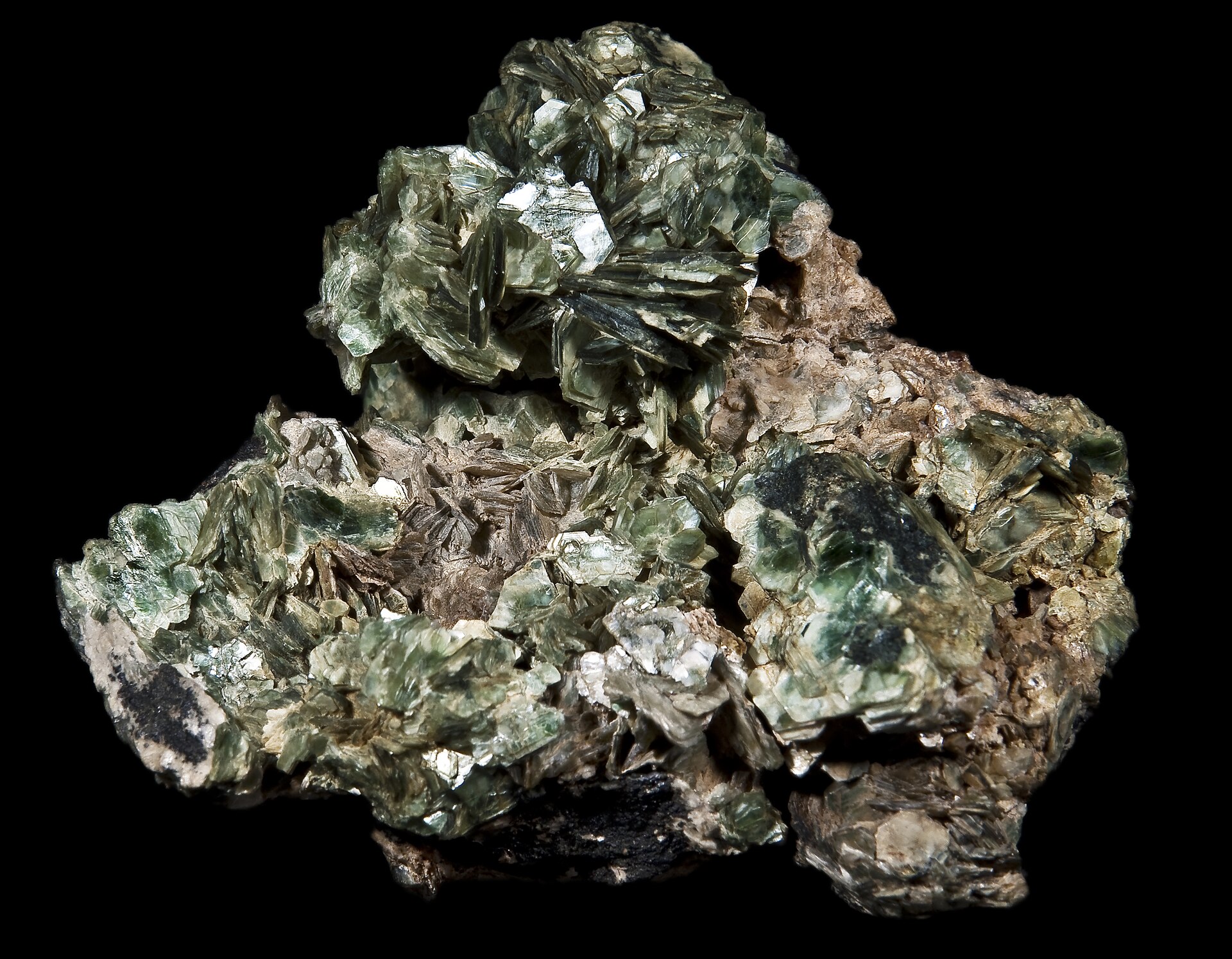
Same chemistry, different faces — trace impurities and how finely it crystallizes give a whole family of familiar stones.

How & Where It Forms
Biotite crystallizes from magmas rich in potassium, aluminium and iron — it is a standard ingredient of granites, diorites and their pegmatites, and it grows freely when clays and feldspars are recrystallized in schists and gneisses. Its sheets align under pressure to give schist its layered fabric.
Phlogopite, the magnesium end, prefers different company: metamorphosed limestones, carbonatites and deep mantle rocks brought up in kimberlites. At the surface, iron-bearing biotite weathers readily — rusting at the edges, then puffing apart into vermiculite and finally clay.
Often grows alongside:
What It’s Used For
How to Identify It
Find a dark flaky mineral and peel it. Sheets that come apart paper-thin, flex, and snap back are mica; if they’re black or deep brown, they’re biotite. The white-to-gray streak, softness and perfect basal cleavage rule out hornblende needles and tourmaline prisms — and silvery sheets would be muscovite instead.
| Looks like… | But differs because… | Quick test |
|---|---|---|
| Hornblende | Forms elongated prisms, harder (5–6), cleavage at ~120°/60° — never peels into paper sheets | Flake test |
| Muscovite | Silvery light mica; identical habit but no iron darkening | Color |
| Tourmaline | Hard prismatic crystals with triangular cross-section and no cleavage | Shape & hardness |
| Augite | Blocky green-black prisms, harder, cleavage near 90° — not sheets | Cleavage angle |
Where It’s Found
Notable localities for fine specimens:
Gallery
Photographs from Wikimedia Commons contributors — click a credit on the main image for the source and license.
Related Minerals
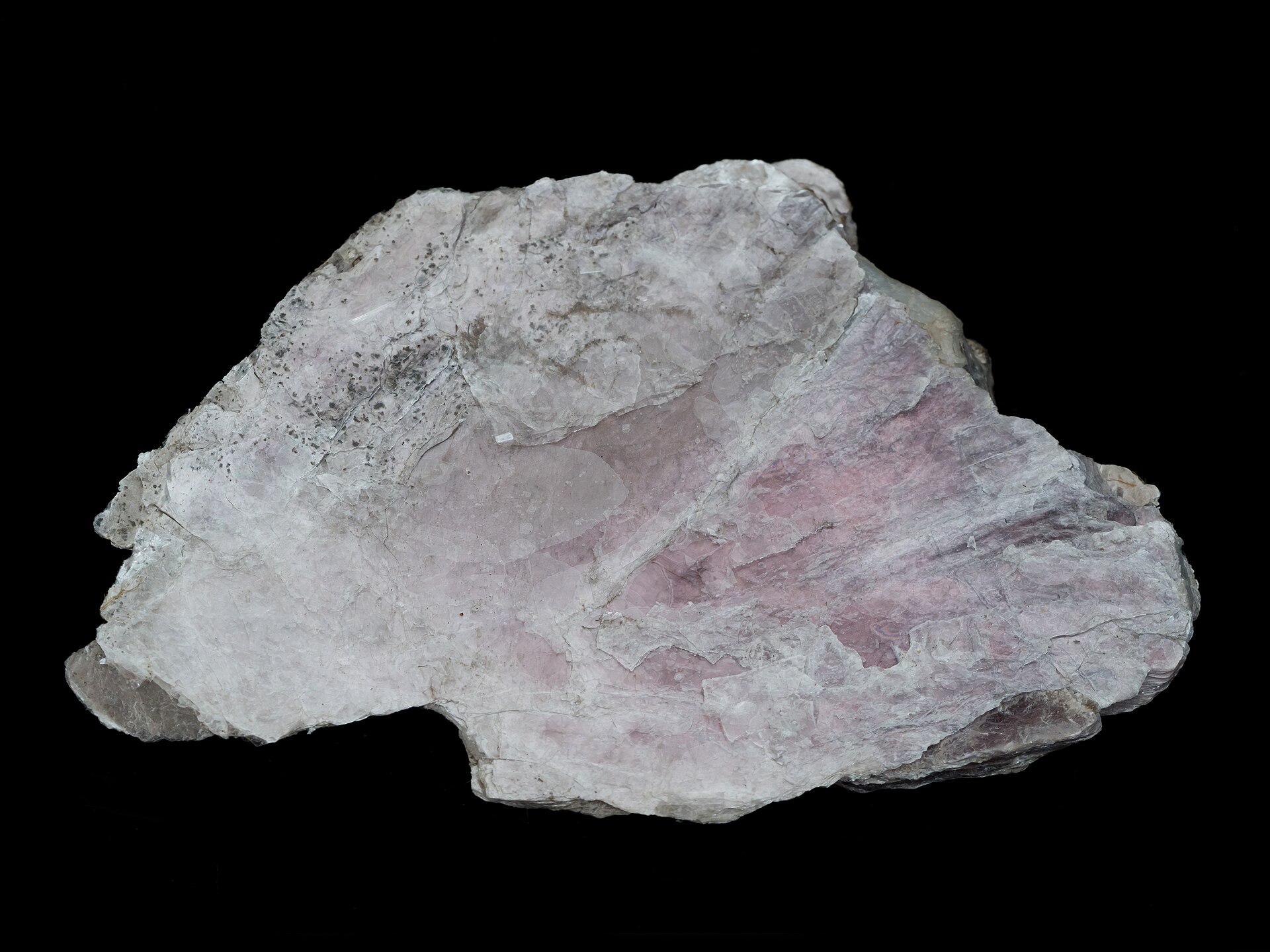
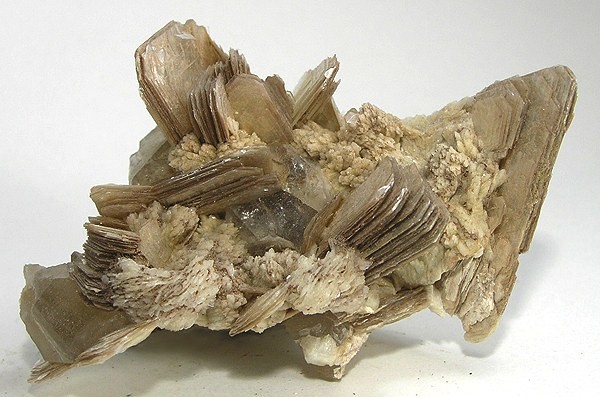
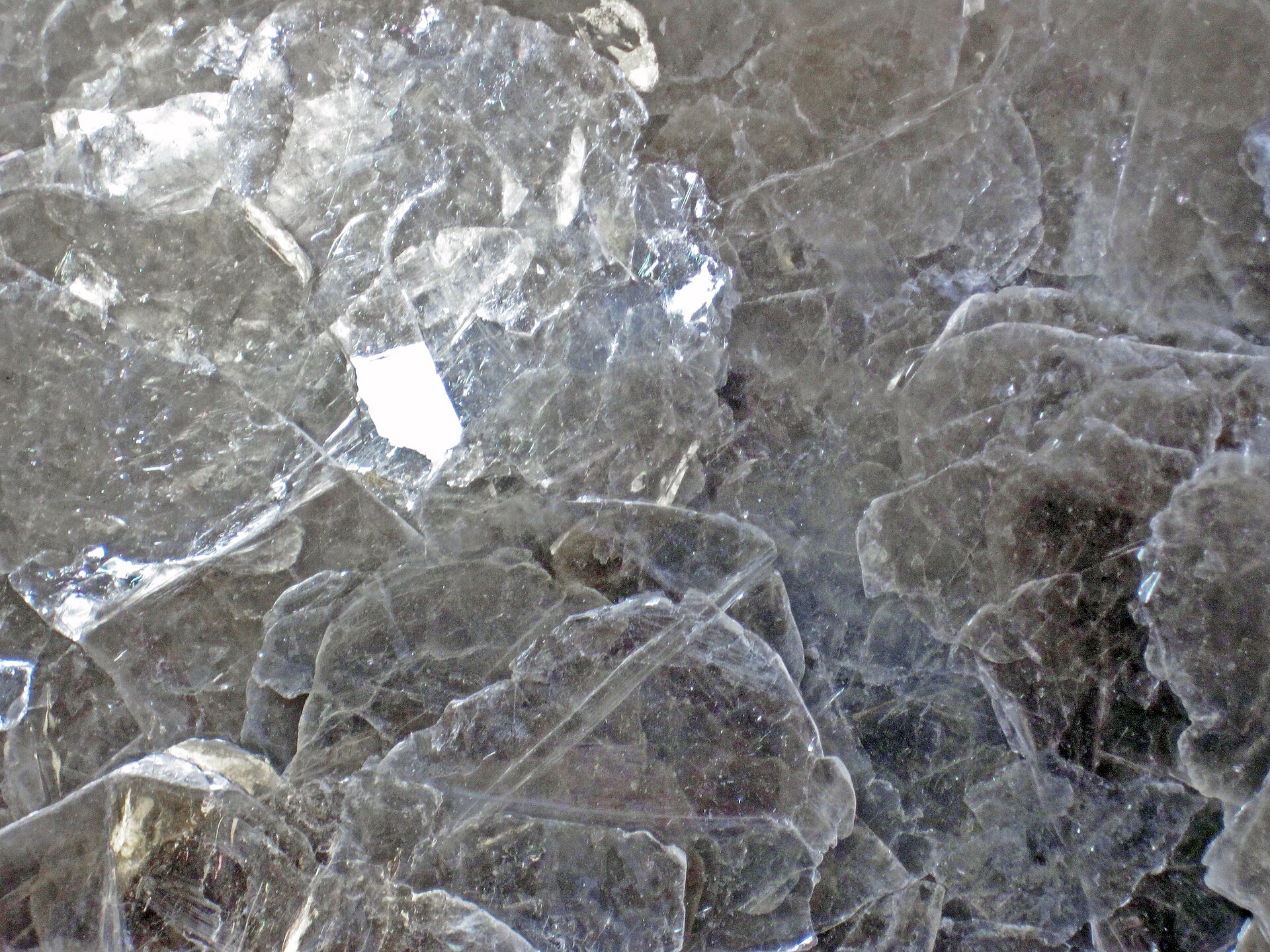
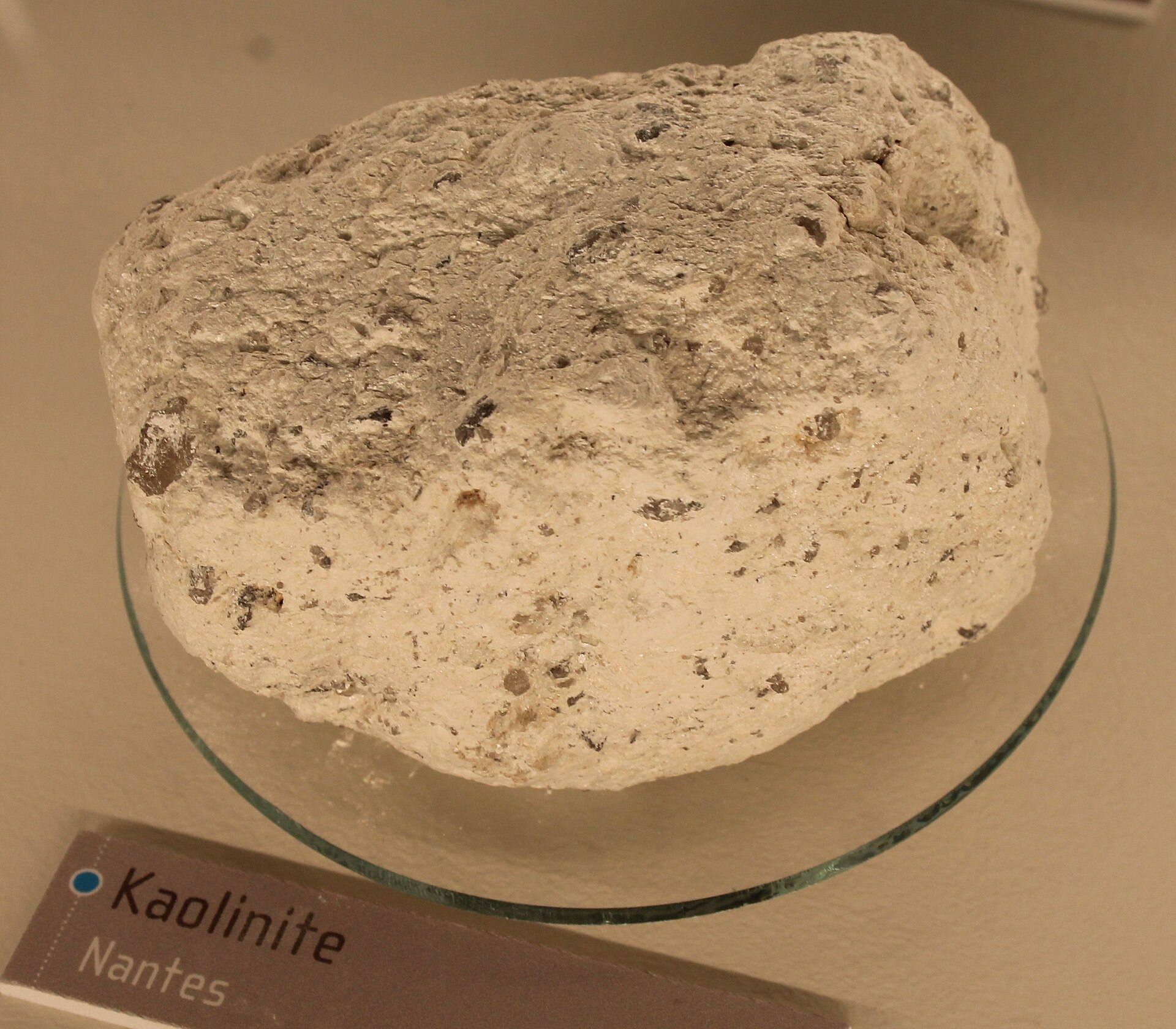
Others in the same family and minerals it commonly grows alongside.
References & Further Reading
- Dana’s New Mineralogy, 8th ed. Mica group, phyllosilicates.
- Mindat.org — Biotite mineral data and locality records.
- Wikipedia — Biotite.
Last reviewed 2026-09-14 · How to cite this page.